


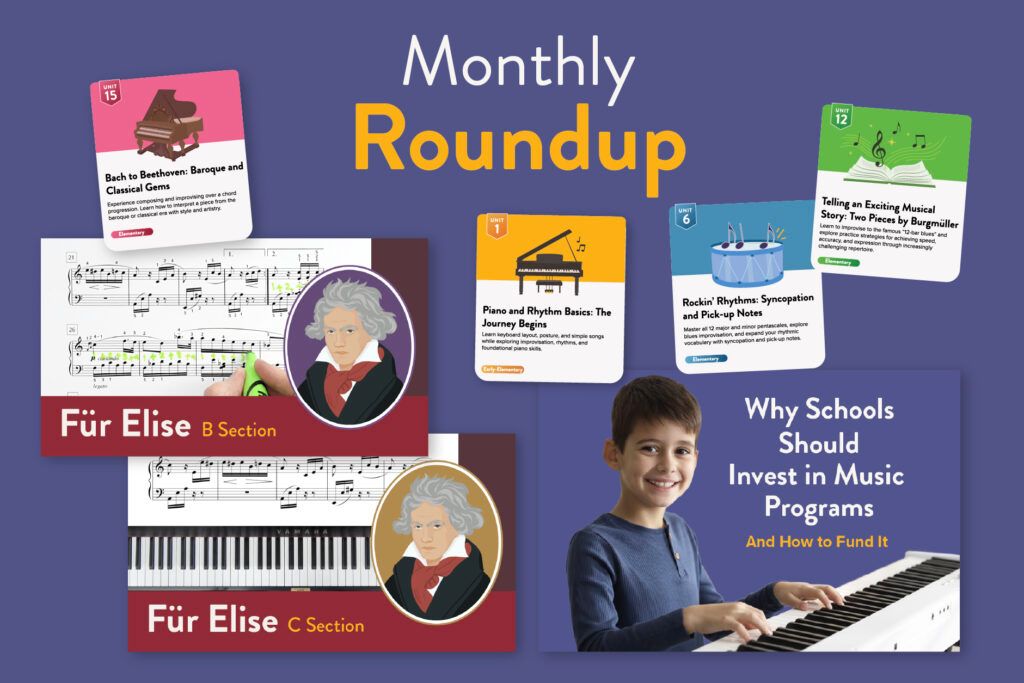
Most people can recognize the opening of Für Elise. Fewer know where Beethoven takes it next: a playful B section that breaks into rapid 32nd notes, and a stormy C section that opens on a chord Mr. Hoffman calls “juicy.” This month, we have two new lessons to finish the series, so students can now learn the whole piece.
Those lessons also complete Unit 18. Below, you’ll find YouTube-free video lessons for Premium members, a new lessons explorer, our Halloween Costume Contest winners, and a fresh Monthly Student Challenge that sends students back to the very first songs they learned.
Some of the links in this article are affiliate links, which allow us to earn a commission when you use them to make a purchase. This helps us continue to create fun music learning experiences for everyone to enjoy.
Watch lessons YouTube-free, plus new ways to explore
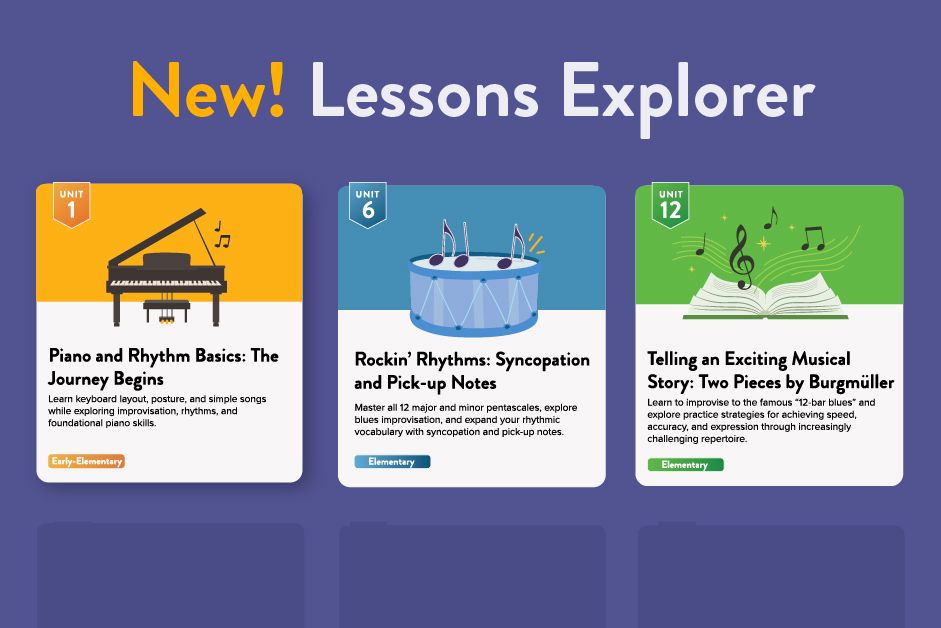
Premium members can now watch every core curriculum lesson YouTube-free. Our new Premium video player replaces the embedded YouTube player for our core curriculum lessons, giving families more oversight of their children’s time online. Turn it on in your account preferences.
Also new:
- Lessons explorer. Browse every Unit in the core curriculum, plus our popular song tutorials. Search by keyword or song title, and filter by discipline, category, or skill level. Use it to find a favorite song fast, or to revisit a music theory concept when you want a refresher.
- Easier downloads. Premium members can download the complete Unit book or a single activity by page number, plus a zip file of all the audio tracks, right from the lesson page.
- Trophy case. Students can see the trophies they’ve earned on their Student Homescreen using the Unit selector button in the upper left. The trophy case doubles as a quick way to jump to another Unit.
Für Elise, start to finish
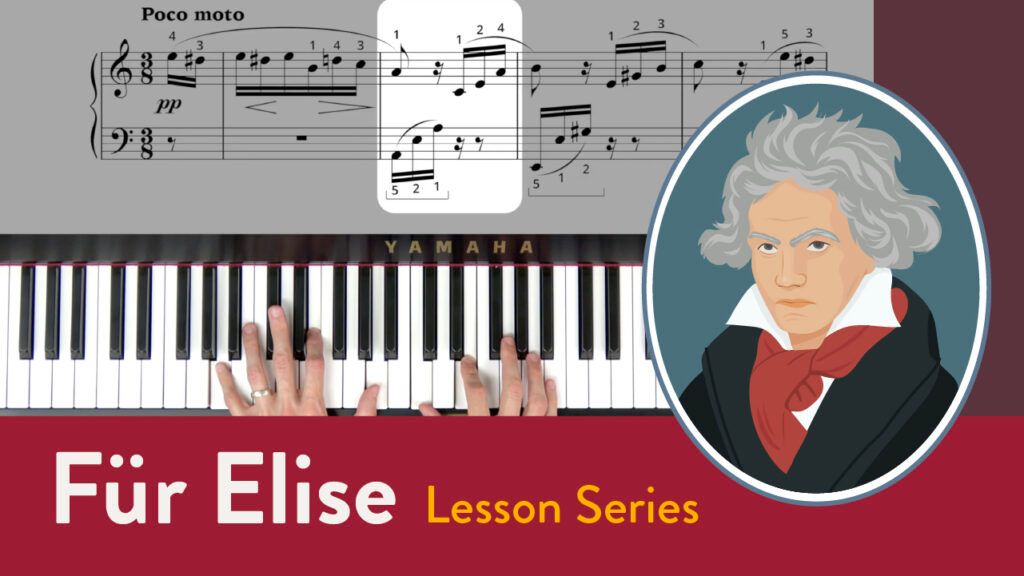
Für Elise is in rondo form: a main theme (the A section) that keeps returning between two contrasting B and C sections. Mr. Hoffman already taught the main theme. This month’s two lessons cover the rest.
Für Elise: B Section. Most students find this the hardest part of the piece, and Mr. Hoffman agrees. He starts with the trickiest measures first: a run of 32nd notes that alternate with a repeated high G, played with a gentle rotation of the hand, like turning a doorknob. He also explains why this section sounds best with no pedal at all, and why fast doesn’t have to mean loud.
Für Elise: C Section. Here the mood turns stormy. The section opens on a diminished seventh chord (E, G, B-flat, and C-sharp) and builds to a forte climax before fading back down. Along the way, students learn an advanced fingering for fast repeated notes: alternating fingers 3, 2, and 1 on a single key in the left hand. A chromatic scale then slips back into the famous main theme.
Want to hear where you’re headed? Watch Mr. Hoffman play the complete piece.
Unit 18 is complete
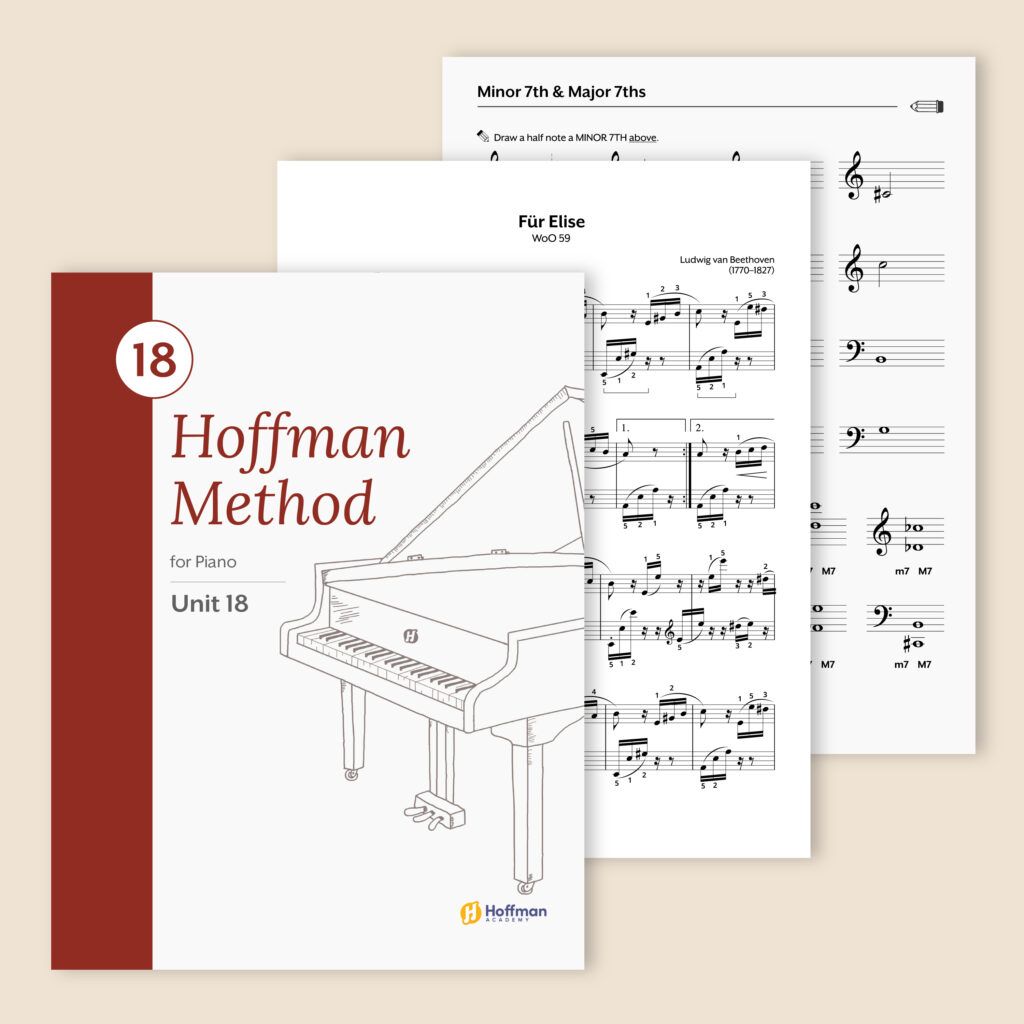
The Für Elise C section rounds out Unit 18, an Intermediate Unit built around four classical pieces: Solfeggietto by C.P.E. Bach, Scarlatti’s Minuet in A Major, the first movement of Clementi’s Sonatina in C Major, Op. 36, No. 3, and Für Elise. Students also learn the melodic minor scale, the F minor scales and arpeggio, and major and minor 6ths and 7ths.
The Hoffman Method for Piano Unit 18 book gathers all of it in 60 printable pages: the sheet music, theory pages, Hanon Exercises #14–20, an End of Unit Challenge, and an answer key. It comes with a Listening & Practice Album featuring every piece in the Unit, plus a play-along track for improvising in F minor. The book is included with Premium membership or available for individual purchase for $24.95 USD.
Finished the whole Unit? There’s an Achievement Award at the back of the book, ready to print and fill in.
Our Halloween Costume Contest winners
Thank you to every student who put on a costume, announced a piece, and took a bow for this year’s Halloween Costume Contest. The force was strong this year, with many Star Wars entries, and over a dozen Harry Potters turned up at the piano. We even had a headless pianist play “Für Elise.” Here are this year’s winners.
Best Costume: Hendrix, playing In the Hall of the Mountain King
Hendrix built a homemade robot costume and kept the robot head on for his whole performance. The body had to sit this one out (understandably), and we love the commitment.
Best Spooky Performance: Molly, playing “Dance”
Molly transposed this upbeat piece into a minor key, then added moody lighting. It’s a perfect recipe for turning almost any piece into Halloween music.
Mr. Hoffman’s Pick: Leo and his Cowboy Trio, playing “Oh! Susanna”
Three siblings, all Hoffman Academy students, gathered in a cornfield to play some harvest music together. It’s a wonderful reminder of how music brings families together.
More highlights from this year’s entries
- Pirates, owls, and unicorns all playing “Hot Cross Buns”
- A bunny taking on In the Hall of the Mountain King
- Beethoven himself performing “Für Elise”
- A chinchilla, and a mouse playing “Mouse in the House”
- Creative skits and special effects, plenty of transposing, and some original compositions
- Whole families getting in on the fun
Congratulations to our winners, and thank you to everyone who joined this month’s Monthly Student Challenge. Explore more performances in the Student Showcase.
November’s Monthly Student Challenge: Hoffman Flashback
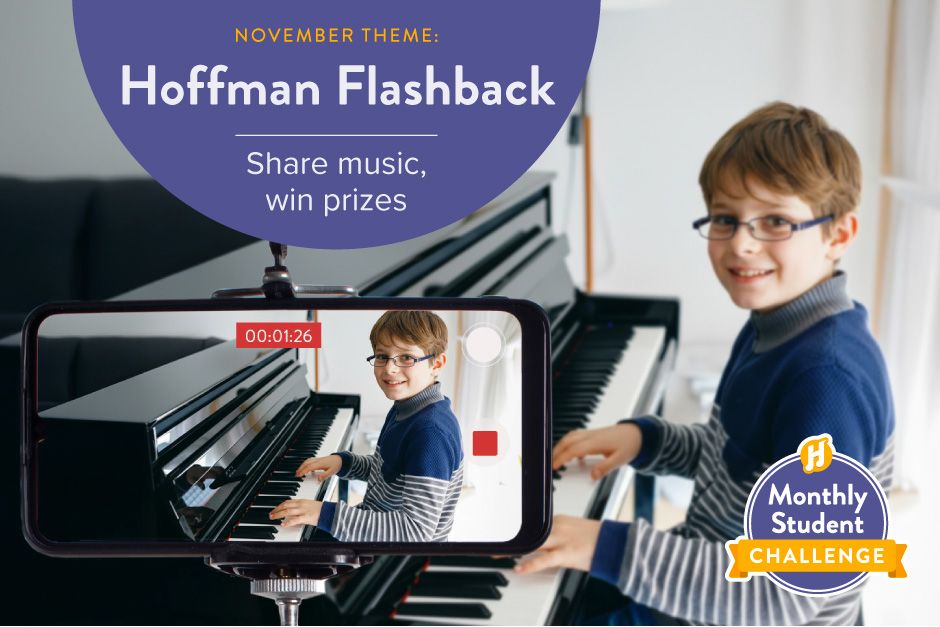
We loved seeing all the creativity in your Halloween Costume Contest entries! The fun doesn’t stop there. Every month brings a new Monthly Student Challenge, and November’s is all about where your piano journey began.
Pick one of the first Hoffman Academy songs you learned, like “Hot Cross Buns,” “Chopsticks,” or “Ode to Joy,” and give it an encore. Play it exactly the way you first learned it, or show off what you know now: move it to a new key, add chords, or turn it into a duet with someone at home.
Our team’s favorite performance wins a choice of Hoffman Academy merch. Entries close November 30, 2026, at 11:59 p.m. Pacific Time.
Get song ideas and entry details →
How music is built
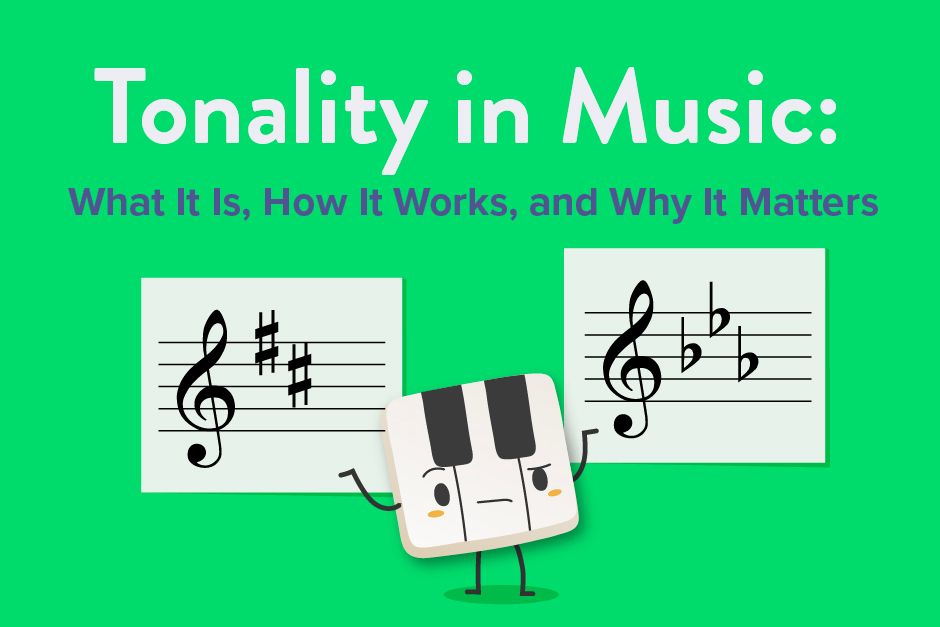
Two new articles explain ideas you can hear in music at every level, from your first pieces on.
Tonality in Music: What It Is, How It Works, and Why It Matters. Sing DO, RE, MI, FA, SO, LA, TI, and you can feel the music leaning toward that last DO. This article explains why music pulls toward a “home” note and chord, includes audio examples, and traces how that sense of home developed from medieval modes to Schoenberg’s twelve-tone music.
Sonatina Form: A Complete Guide for Piano Students. Sonatinas are a first step into longer classical pieces. This guide walks through their three sections (exposition, development, and recapitulation), how they differ from sonatas, and famous sonatinas worth adding to your someday list.
For parents planning a child’s music education
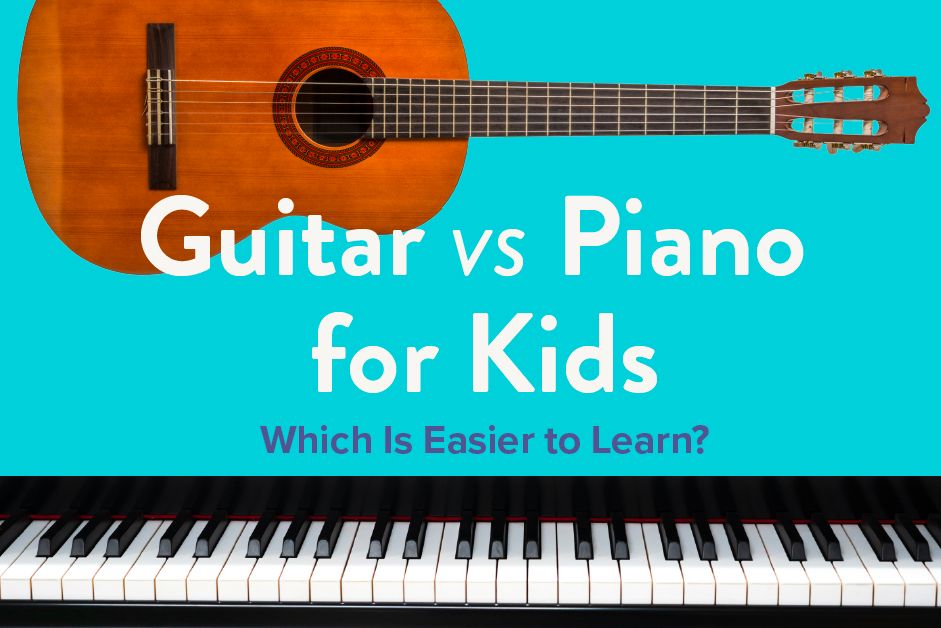
Guitar vs Piano for Kids: Which Is Easier to Learn? A side-by-side look at the keyboard and the fretboard, how each instrument feels to play, and what each teaches about reading music. It also explains why piano is usually the easier first instrument for ages 6 to 8, and when guitar becomes a comfortable fit.
Looking for an Alternative to Simply Piano? Try Hoffman Academy. How Hoffman Academy and Simply Piano differ in teaching style, feedback, technique, and curriculum depth, plus a quick tour of other piano apps and what each does well.
Why Schools Should Invest in Music Programs, and How to Fund It. What research says about music study and academic performance, how schools fund music programs, and how homeschool families may be able to use education funds for piano lessons.
Keys, now on a hat

Our mascot, Keys, now comes on a baseball hat. It joins the rest of our merch collection for music lovers, including mugs, t-shirts, totes, and books.
Music theory for Thanksgiving and harvest season
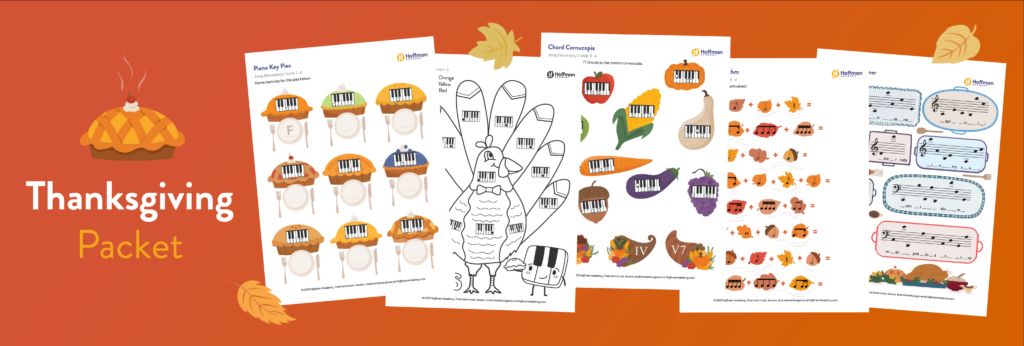
Thanksgiving is coming up in the US, and plenty of families elsewhere are enjoying harvest festivals or any good reason to bake a pie. These fall printables fit right into the season:
- Thanksgiving Packet: Color a “Give Thanks” turkey by note, spell out dinner dishes with note names, and match chords to the right cornucopia. Available in four skill levels covering Units 1–8, each with an answer key. Included with Premium membership or $2.99 USD.
- Pumpkin Chord Pie: Match chords and scales on the staff to the keyboard and fit the slices together into a complete pumpkin pie. Included with Premium membership or $1.99 USD.
- Alphabet Leaf Cards: Fall-themed flashcards for practicing the musical alphabet forward and backward. Free for everyone.
A head start on the holidays
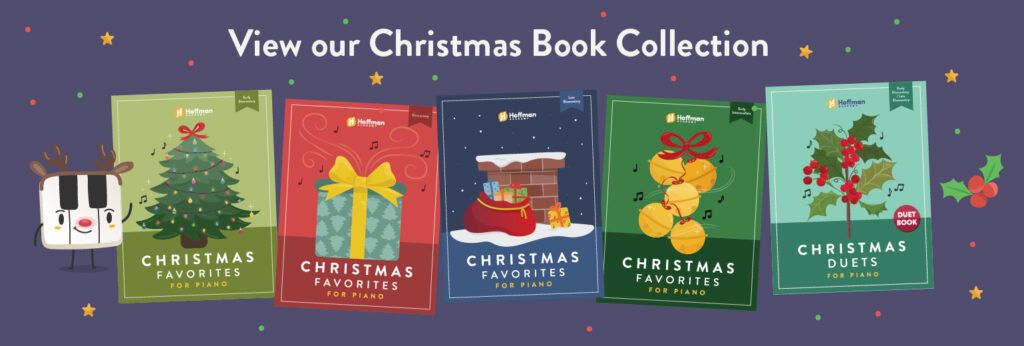
Holiday music is more fun when it’s ready by December, and a few weeks of practice now gets it there. Mr. Hoffman’s holiday tutorials run from an Early Elementary “Jingle Bells” to an Intermediate “Silent Night,” and our Christmas sheet music collections come in four levels, plus a duet version.
Looking for gifts? Hoffman Academy books and more on Amazon can be ordered now, with plenty of time before the holidays.
Plus: our Advent Calendar returns December 1st, with a festive find to look forward to every day until Christmas!
One more reason to try Premium
Our new Premium video player joins a growing list of Premium membership benefits, including guided Practice Sessions, piano video games, and over $4,000 USD worth of downloadable sheet music, theory pages, and audio tracks. Our video lessons are always free, and Premium adds the tools that make practice at home easier.
Happy practicing!