Our Story

Music education for everyone.

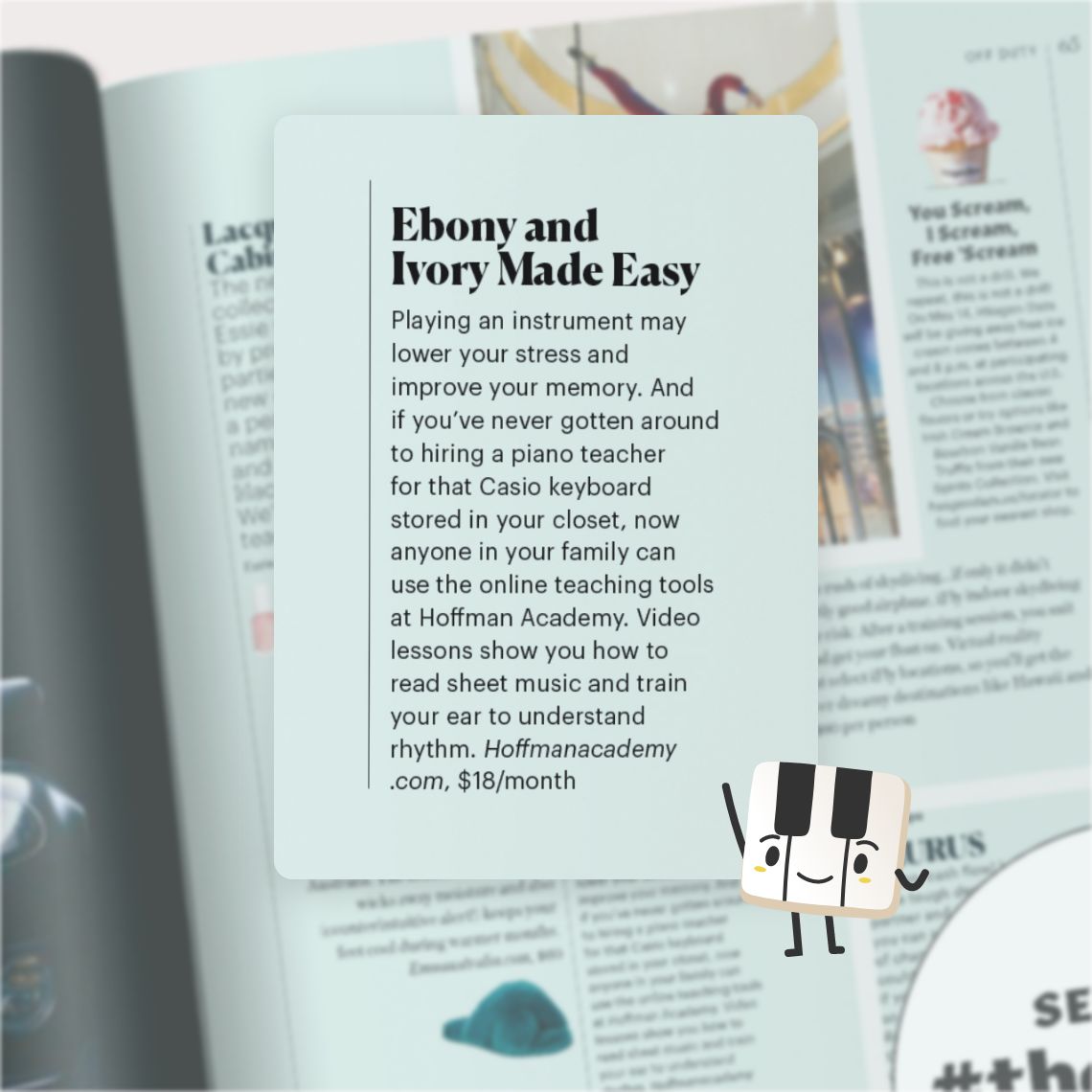
We’re making online piano lessons irresistibly fun and affordable.

We’re changing everything you know about online piano lessons.

Lots of people want to learn to play the piano. And lots of people start with lessons but don’t keep going. That’s because music lessons can be expensive and inconvenient, and old-fashioned teaching methods can take all the fun out of learning. We think there’s a better way.

The secret is the Hoffman Method.

When our founder, Mr. Hoffman, started teaching piano, he tried various methods. None of them provided the kind of complete musical training he wanted his students to have. Some methods emphasized note reading and others mostly focused on playing “by ear.” None of them seemed to have it all. So, he created his own approach to music education: the Hoffman Method!
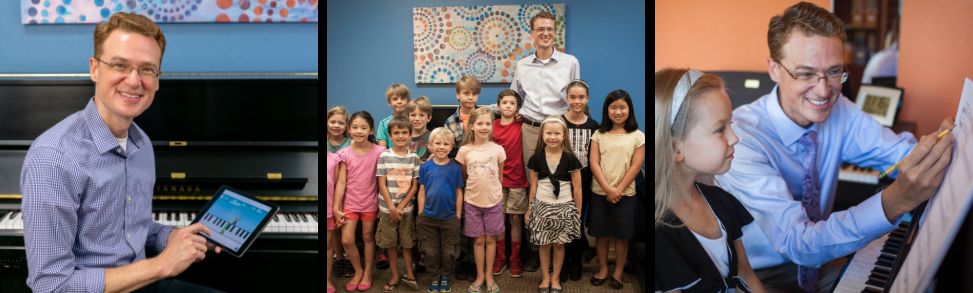
The Hoffman Method embodies Mr. Hoffman’s vast experience in music and childhood education: a piano teacher for decades; an expert educator with advanced degrees in music; a published composer; and a frequent presenter at piano teacher workshops, national conferences, festivals and competitions.

With the Hoffman Method, students start by experiencing music. It feels familiar, because it’s how everyone first learns to communicate in their native language, listening and imitating—grasping sounds before symbols. Plus, they can start making music right away, which is a lot more fun and rewarding than memorizing dry facts and terminology.

By appealing to kids’ natural curiosity and playful spirits, Mr. Hoffman’s students actually want to keep coming back to the piano bench, lesson after lesson.
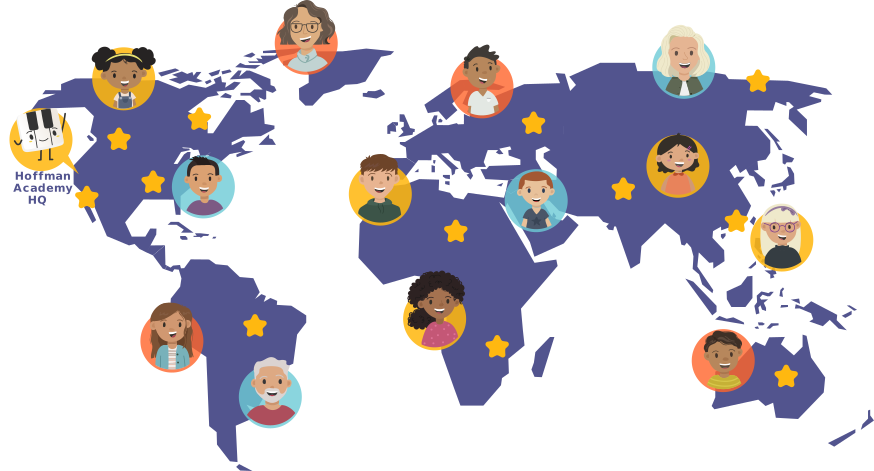

We’re filling homes around the world with music.

In 2007, Hoffman Academy started providing in-person piano lessons to a handful of students in Portland, Oregon. Today, we’re teaching piano online to thousands of people around the world. It’s all part of our mission to share the joy of music with as many people as possible, making sure piano lessons are available and affordable to everyone.

World Map

Students

256,000+

Countries

115

YouTube Views

43 Million+

We’re creating a buzz.

Our team has a passion for teaching music.

We are a diverse group with a common goal: to apply technology to the art of teaching piano, so more people around the world can experience music.

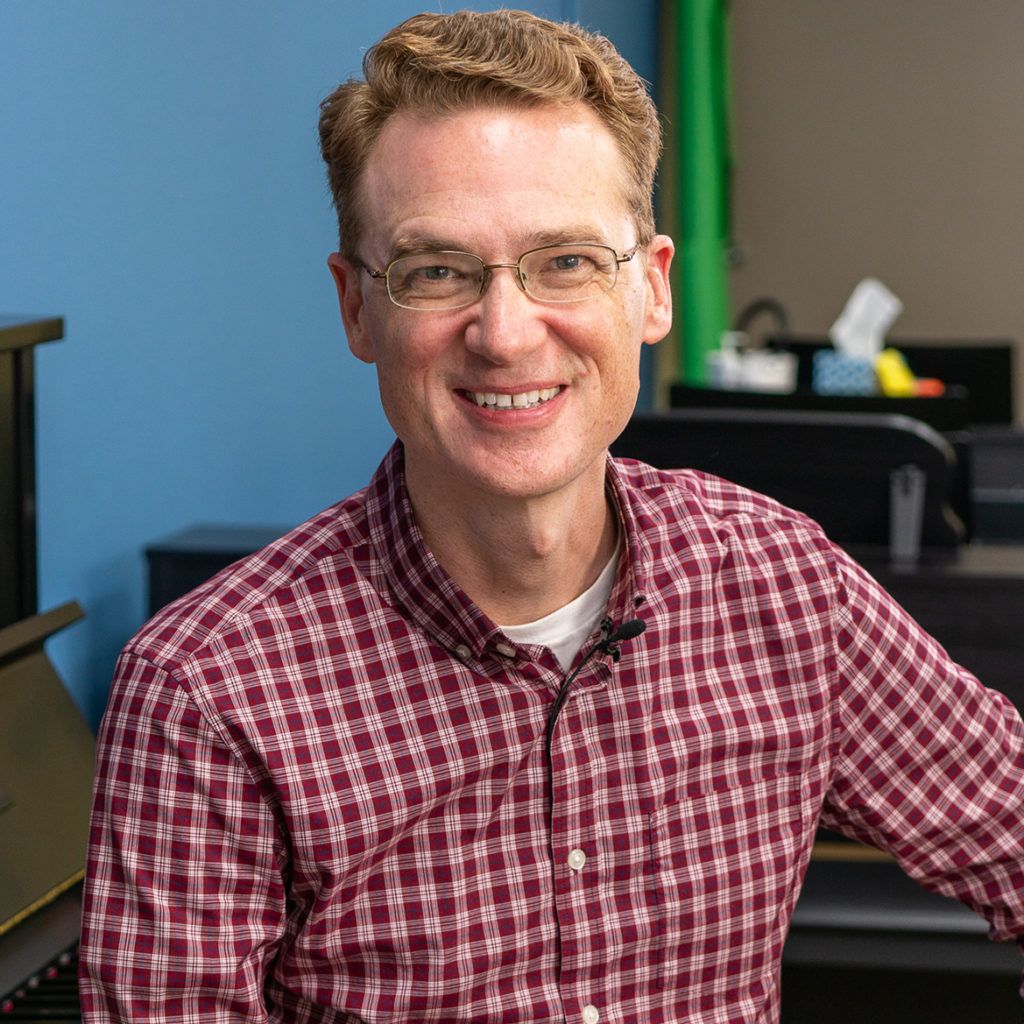
Mr. Hoffman

Our visionary founder and the face of Hoffman Academy online.

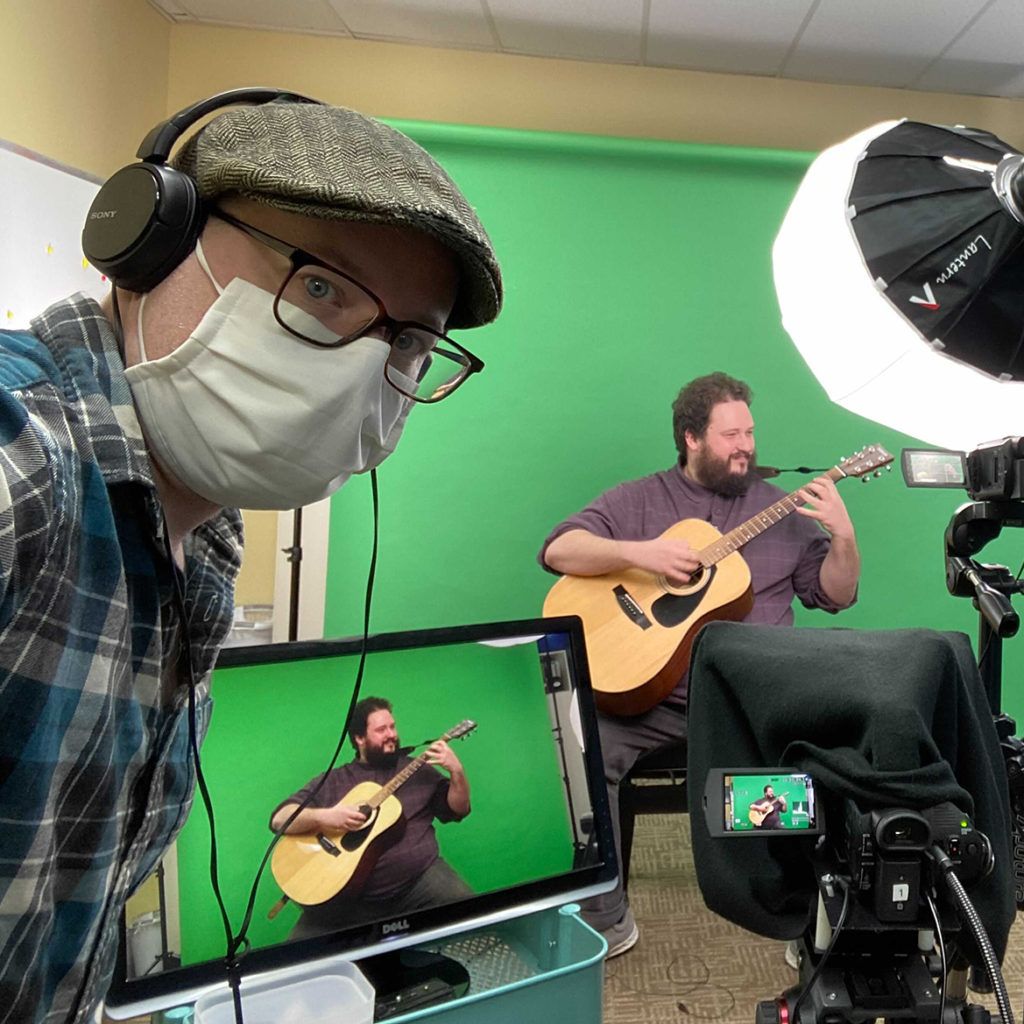
Creative Technologists

The designers, engineers and videographers behind the scenes who bring our teaching and fun ideas to life online

Finger Puppets

A cast of characters who appear in Mr. Hoffman’s lessons, adding a little silliness to each session.

Start playing piano today!

With the Hoffman Method, there are no barriers to learning piano—whatever your age, wherever you live!

Try for free

Music Education FAQ

Some of the links below are affiliate links, which allow us to earn a commission when you use them to make a purchase. This helps us continue to create fun music learning experiences for everyone to enjoy.
  • How is music education taught at Hoffman Academy?

    At Hoffman Academy, we teach music education in an engaging, natural, and joyful way. We allow students to experience musical principles first, and then guide them to a deeper understanding through writing, reading, and creating music themselves. Each small part of the complex language of music is presented in a carefully constructed curriculum that builds skills and confidence as students progress. By introducing a variety of music skills from the beginning, such as ear training, music dictation, improvisation, transposing, and composition, Hoffman Academy provides students with a complete music education, opening up the potential for a lifetime of musical expression.

    Our web-based app includes over 300 video tutorials, a library of music theory games, hundreds of downloadable worksheets, reference guides, a large collection of piano sheet music, and more. It’s the most comprehensive music education program available online.

  • What is the best age to start music classes for kids?

    At the age of 3, children can start their first music classes. Pre-school music classes that focus on fun, simple activities like singing along, clapping, movement, and playing rhythm instruments help children develop skills they can use later in more formal music classes. Learn more by reading our article “Getting Started Early: Piano Lessons for Toddlers and Preschool”
  • How does music education help children?

    Multiple studies have shown that children who learn music do better in school. Learning to read notes and rhythms exercises the same skills that children need to read language. Playing an instrument develops motor skills, listening skills, and the ability to process information in real time. Playing music also gives children an opportunity for creative expression. Performing for others gives children a chance to develop courage and social skills. For more information, read our article, “The Benefits of Playing Piano”
  • Is it possible to study music online?

    Yes, it is absolutely possible to study music online! Thanks to the internet, students can access high-quality music content and learn from anywhere in the world. Hoffman Academy offers engaging online lessons that guide students step-by-step through learning to play the piano. Our interactive approach combines video lessons, practice tools, and supplemental materials to ensure students develop strong musical skills. Whether you're a beginner or looking to improve, online music study provides flexibility and convenience while still offering a structured and effective learning experience. Learn more by reading “Do Online Piano Lessons Really Work?”
  • How do students benefit from music education? How does it improve academic performance?

    Music education offers a wide range of benefits for students, both academically and personally. Learning music helps develop important skills such as discipline, focus, and perseverance. It strengthens memory, improves coordination, and enhances creativity.

    Academically, studies have shown that music education can boost performance in subjects like math and reading by reinforcing pattern recognition, critical thinking, and problem-solving skills. Playing an instrument also helps improve listening skills and concentration, which can lead to better performance in school overall. Additionally, music fosters self-expression and confidence, making it a valuable part of a well-rounded education. Check out our article, “The Real Benefits of Playing an Instrument” for more information.

  • What are some recommended music education books?

    There are many excellent books that can benefit students, parents, and teachers alike. Some top recommendations include:
    • First, We Sing! by Susan Brumfield – A great resource for introducing young students to music through singing and movement.
    • This Is Your Brain on Music by Daniel Levitin – Explores the science behind how music impacts the brain and learning.
    • The Inner Game of Music by Barry Green – A fantastic book on overcoming performance anxiety and improving musical confidence.
    These books offer valuable insights into learning, teaching, and understanding music, making them excellent resources for students of all levels.
  • Why is music education important?

    Music education is important because it nurtures cognitive, emotional, and social development in ways that few other subjects can. Learning music strengthens memory, enhances problem-solving skills, and improves focus and discipline. Studies have also shown that students who engage in music perform better academically, particularly in math and reading, due to the way music reinforces pattern recognition and critical thinking skills. Music also fosters creativity and self-expression, giving students a meaningful outlet for their emotions.

    Beyond individual growth, music education encourages collaboration, communication, and cultural awareness by bringing people together through shared experiences. Whether as a hobby or a professional pursuit, music provides lifelong benefits, making a crucial part of a well-rounded education.