





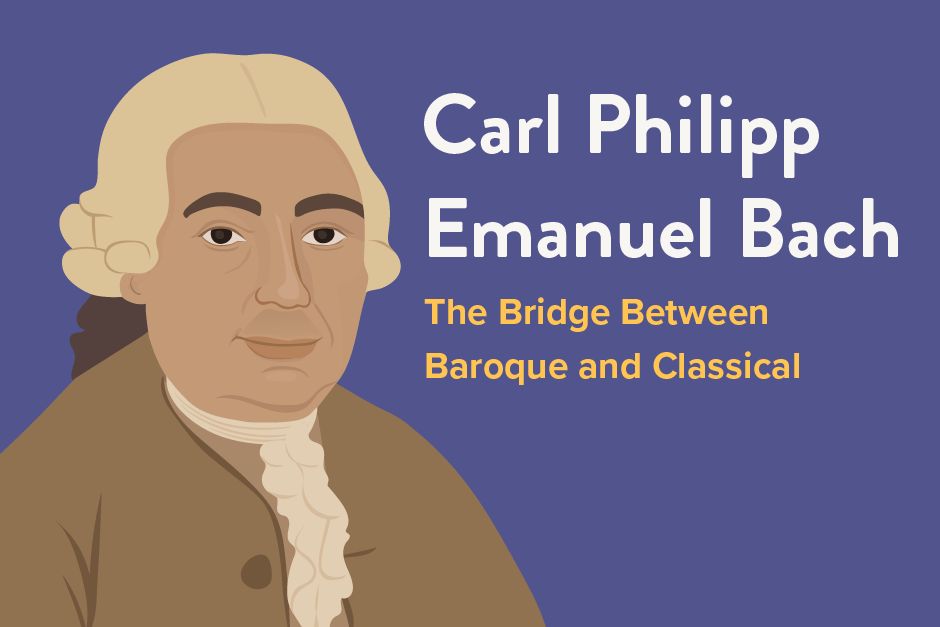
Coming from a renowned musical family means that you have a lot to live up to. Carl Philipp Emanuel Bach did justice to his family name and earned a place among the 18th Century’s most significant composers. With a career spanning fifty years, he helped pivot European music from Baroque-era polyphony toward a more “Enlightenment-friendly” trend. In the process, he advanced a distinctly German style, and drove the transition from harpsichord to piano as the dominant keyboard instrument.
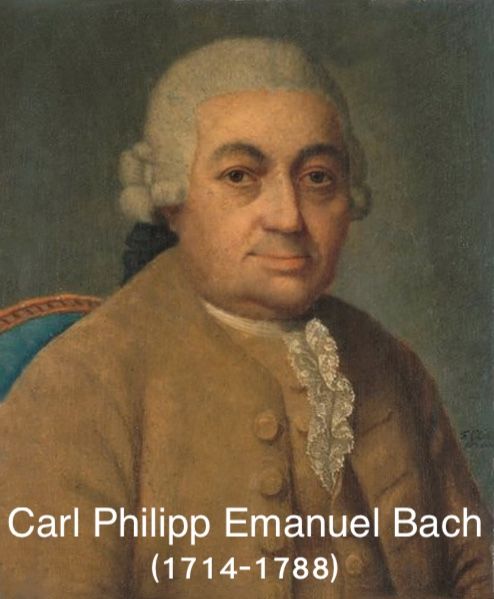
Who was Carl Philipp Emanuel Bach? Was he related to Johann Sebastian Bach?
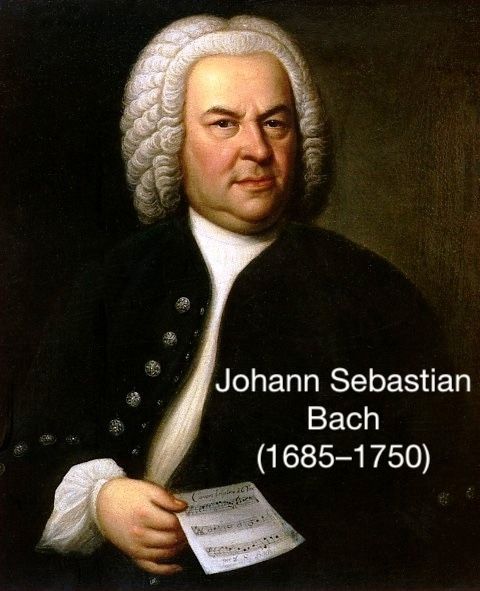
Carl Philipp Emanuel was the fifth child of Johann Sebastian Bach and his first wife, Maria Barbara. Born in Weimar in 1714, he was the brother of Wilhelm Friedmann and half-brother of Johann Christian and Johann Christoph Friedrich. All four would become accomplished musicians and composers. In 1724, C.P.E. Bach began studying at the Saint Thomas School in Leipzig, where his father already held the post of Thomaskantor. Of all the sons J.S. Bach trained to be professional musicians, Carl Philipp Emanuel found the steadiest work and success.
Where did C.P.E. Bach work?
C.P.E. Bach worked primarily in Berlin and Hamburg, enjoying as distinguished a career as an 18th Century composer could hope for. Surprisingly, he started out by studying law in Leipzig and Frankfurt. He saw this as a more lucrative fallback in a time when composing was deemed a “servant’s” job and subject to aristocratic patronage. Despite graduating with a law degree at age 24, he never practiced law and instead turned to music.
Through a combination of expert training from his father and influential family connections, C.P.E. Bach secured a position in the court of Prussian Crown Prince Frederick in Berlin. Within two years, Bach became concert harpsichordist for the royal orchestra. By this time, in 1740, Frederick The Great had become king of the Prussian state, and C.P.E. Bach settled into a long and productive appointment. He was able to shift duties between performances, composing, and teaching. In three decades of service, he wrote the Prussian and Württemberg Sonatas, plus two hundred other keyboard works, mostly for the clavichord. This “Berlin” period also saw nearly half of the symphonies he was to write, sacred works like the Magnificat, H. 772, and many songs. He also found time to meet and marry Johanna Maria Dannemann, a wine merchant’s daughter. Three of their children would survive to adulthood, but none followed in their father’s footsteps and took the Bach line of composers any further.
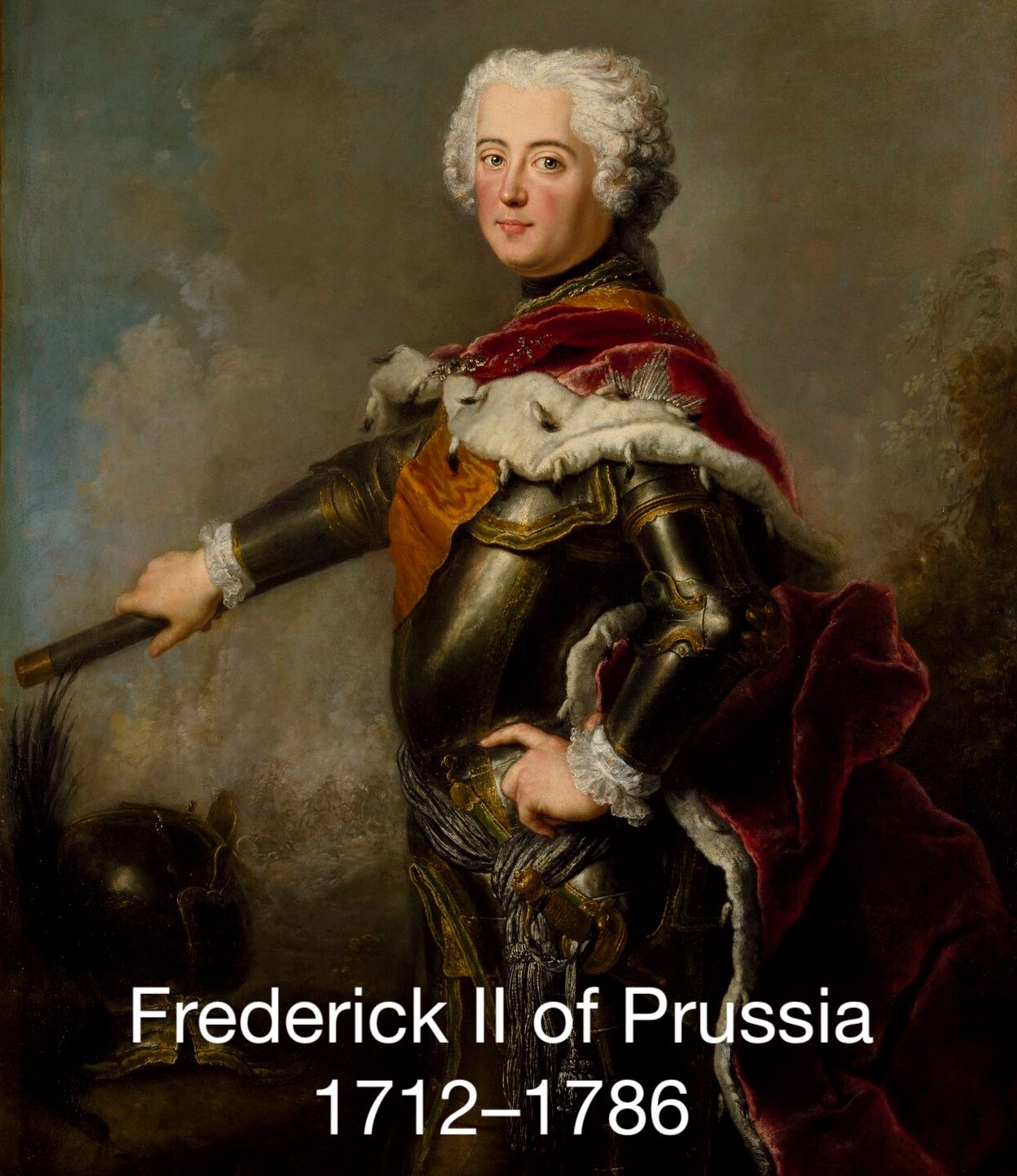
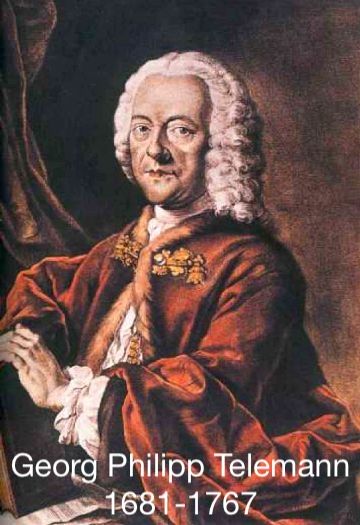
C.P.E. Bach found changing jobs nearly as difficult as his father had. The Seven Years’ War occupied much of King Frederick’s resources, causing musical development in the Prussian court to suffer. C.P.E. Bach grew discouraged with the reduction in his court duties. In 1767 he succeeded his godfather, Georg Philipp Telemann, as Kapellmeister of Hamburg’s five churches and cantor of the Johanneum Grammar School. But Frederick only grudgingly released him, and a harsh winter further delayed C.P.E. Bach’s assumption of his new post. Once there, however, he enjoyed another long appointment. For the next twenty years he was responsible for some 200 annual church performances, which helped renew Hamburg’s status as a musical city. He also composed the influential Hamburg Symphonies, over twenty Passions, and the great oratorio Die Auferstehung.
What was Carl Philipp Emanuel Bach best known for?
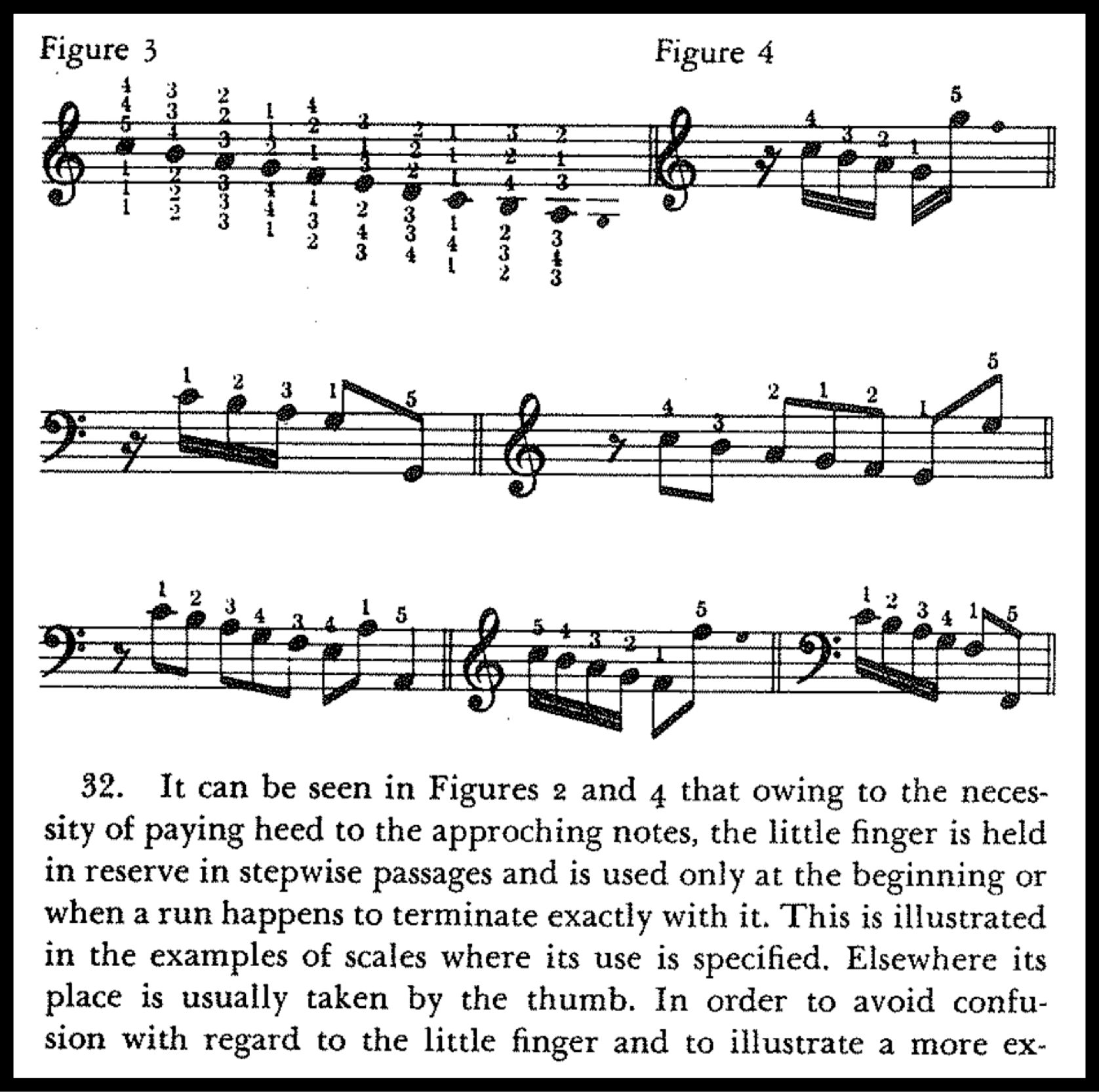
In his lifetime, C.P.E Bach was recognized both as one of Europe’s most skilled keyboardists and an influential teacher. Between 1753 and 1762 he published his two-part Essay on the True Art of Playing Keyboard Instruments. It was considered a definitive work by Clementi, Haydn, and Beethoven, and many of its fingering techniques are still used:
With more than a thousand pieces to his credit, C.P.E Bach was incredibly prolific. He wrote some four hundred solo keyboard works, twenty symphonies, fifty concertos, and well over two hundred chamber music pieces and songs.
What style did C.P.E. Bach compose in? How did he influence classical music?
The empfindsamer Stil
C.P.E. Bach is acknowledged as the foremost developer of the empfindsamer Stil, or “sensitive style.” Unlike the lighter, more graceful style galant practiced by his half-brother Johann Christian, the Germanic empfindsamer Stil was concerned with emotional variety and intensity. Sudden changes of mood and a theatrical emphasis on dynamic contrast are typical of C.P.E. Bach’s music. It was a huge departure from the Doctrine of Affections, a Baroque-era aesthetic which resulted in a mostly constant emotional state throughout a piece. In C.P.E. Bach’s compositions, a single movement often had contrasting themes and competing key areas, giving modulation an important role in the music’s unfolding narrative. The common rounded binary structure became more elaborate, and likely evolved into the dramatic sonata allegro form.
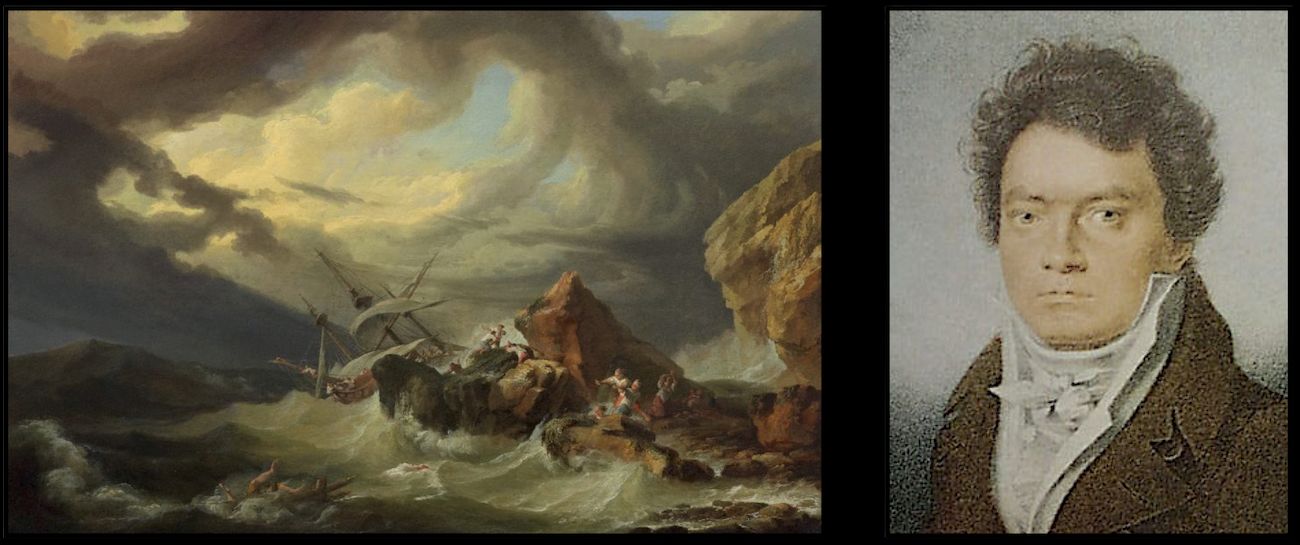
The four “Hamburg Symphonies,” written in the mid 1770s, perfectly express this powerful new style, as in the Hamburg Symphony in D Major Wq. 183/1. Ultimately, it looked forward to the individualist movement called sturm und drang, or “storm and stress,” which found its most iconic expression in the music of Beethoven. Below on the left is a painting by Philippe Jacques de Loutherbourg: A Shipwreck off a Rocky Coast, and on the right a portrait of Ludwig van Beethoven.
Comparing Baroque and Neoclassical music
To understand the emotional shift from Baroque consistency to C.P.E. Bach’s dynamism, listen to the relentless motion and long, spread-out phrases in his father’s Brandenburg Concerto No. 2 in F Major:

The uniform drive and mood are typical of Baroque instrumental music, and the score gives us an endless stream of notes. Now listen to C.P.E. Bach’s Symphony in B minor, H. 661:

Right from the start, the phrases are much shorter and more tuneful. On the page, the torrential lines of the Brandenburg Concerto have been replaced by compact musical units. We also hear sudden emotional changes that are noticeably absent in his father’s concerto. This type of contrast was at the heart of the empfindsamer Stil, and an important step toward the sturm und drang that would characterize early Romantic Era music.
Emergence of the piano
Armed with these new aesthetics, C.P.E. Bach also helped pave the way for the piano to replace the harpsichord. His expressive style needed a range of dynamics–hence his preference for the clavichord and fortepiano. These were some of the earliest keyboard instruments that could play loud and soft tones, unlike the fixed volume of the harpsichord and organ. His two hundred sonatas, many intended for the new instruments, became such a fixture in the repertoire that he helped boost demand for the piano.
What is Carl Philipp Emanuel Bach’s most famous piece?
Intermediate-level pianists often cite the Solfeggietto, H. 220 as the most famous piece by C.P.E. Bach. Composed in 1766, this breathless toccata unleashes a storm of sixteenth notes, and it’s considered a valuable test piece for handling figuration at a rapid tempo:

Learn this exciting piece with Mr. Hoffman in four video lessons from Unit 18.
You can also find the sheet music for Solfeggietto in our store.
What are other piano compositions by C.P.E. Bach?
Here are some of C.P.E Bach’s best known piano compositions available in our store:
March in D Major, BWV Anh. 122
This accessible piece appeared in one of the famous Notebooks for Anna Magdalena Bach, C.P.E. Bach’s stepmother. You can learn the March in D Major with Mr. Hoffman in our Unit 17 lessons, and you’ll find the sheet music for the March in D Major in our store.
La Caroline, H. 98
This is one of the “Berlin Portraits,” a series of character pieces for keyboard written during C.P.E. Bach’s tenure at the Prussian court. An intimate and rhapsodic monologue, it shows the composer at his most expressive. The sheet music for La Caroline is available in our store.
Sonata in F minor, Wq. 63, first movement
As an advanced piece, this movement perfectly captures the spirit of the empfindsamer Stil with frenetic sixteenth notes, and the very storm and stress that point inexorably toward the Romantic era. You can also find the sheet music for this sonata in our store.
Why is C.P.E. Bach sometimes forgotten?
C.P.E. Bach is a transitional figure, and as such can be overshadowed by the giants who preceded and followed him. J.S. Bach, Haydn, and Mozart were immortalized as household names by perfecting styles that were already well established. But charting out the new musical language of the empfindsamer Stil was just as impressive a feat. It would be no exaggeration to call C.P.E. Bach an essential link between the Baroque and Romantic eras. It’s also hard to envision the keyboard innovations of Beethoven–let alone his expressive demands on the piano–without C.P.E. Bach’s immense contribution to the literature.
Start learning pieces by Carl Philipp Emanuel Bach on the piano
Because of his teaching experience, C.P.E. Bach wrote plenty of keyboard pieces well within reach of intermediate-level students. The March in D Major is an excellent start, along with the Short and Easy Piano Pieces, Wq. 113. For late intermediate students, La Caroline and the Solfeggietto make expressive additions to any repertoire. By enjoying these pieces, you’re also tipping your hat to the composer who did so much to bring the piano into the mainstream.