


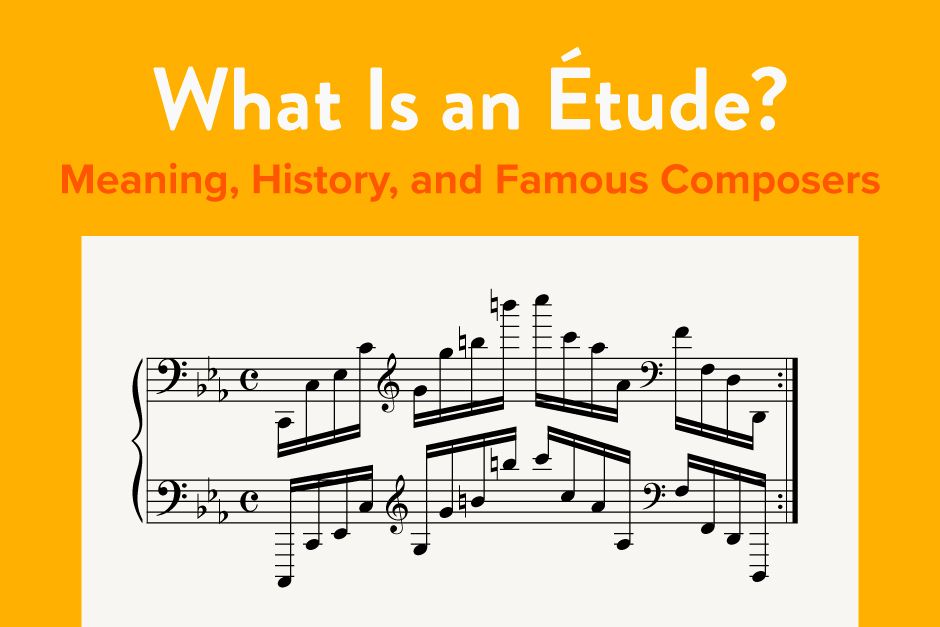
An étude is a piece of music written with students in mind. Throughout history, many composers have supported themselves by teaching. It’s no surprise, then, that alongside their more ambitious works they also wrote shorter pieces to help students learn various techniques. These compositions blend a composer’s understanding of the instrument with eloquence and artistic flair. From practical exercises to virtuosic showpieces, études remain an important part of any musician’s repertoire. They also help students put expressiveness and musical thinking into their technique.
With Hoffman Academy Premium, you can enjoy the sheet music for dozens of études and hundreds of other famous pieces. Sign up today and get free access!
Why are some pieces called études?
Étude is a French word that means a study, and it applies to any piece that makes an exercise of a certain technical challenge. Louise Farrenc’s Étude in D minor, Op. 50, No. 11 is a study in rapid right hand arpeggios over a left hand melody. By narrowing the focus to these two skills, it provides concentrated practice that students can apply to similar pieces:

What is the history of études?
Études began as pedagogical drills in the late 18th century and evolved into virtuosic showpieces during the Romantic era.
Classical Era
In the late 18th Century, piano études were intended as technical and mechanical exercises, and were generally not considered actual compositions. Two of the most prolific composers of piano études were Carl Czerny and Muzio Clementi. Both virtuoso pianists and teachers, they gave serious attention to keyboard technique that would help their students become well-rounded musicians.
Carl Czerny wrote more than a thousand technical exercises in several volumes, such as The School of Velocity, Op. 299. The very first exercise is perfect for practicing the C major scale:

Clementi’s exercises were organized into the Gradus ad Parnassum, Op. 44 as a set of 100 exercises. Number 4 studies two-voice counterpoint in the right hand over a left hand accompaniment:

The early 19th century: Chopin and Paganini
Frédéric Chopin wrote two sets of études, Op. 10 and 25. These pieces show a more rhapsodic interest in the genre, and draw on the Romantic Era’s penchant for virtuosity. The popular Revolutionary Étude, Op. 10, No. 12 uses torrents of scales and arpeggios in sixteenth notes to express anguished defiance. The result is a technical study that also rises to the level of an artistic showpiece. Also, the historical events surrounding its composition, including the Battle of Warsaw, lent a narrative that further elevated the piece from a mere exercise.

This period also saw études for other instruments besides the piano. The great virtuoso violinist Niccolò Paganini inspired Franz Liszt to make himself as adept at the piano. After two hundred years, Paganini’s 24 Caprices for Solo Violin are still some of the most demanding études ever written. They go far beyond a preparation for advanced repertoire and instead take their place in the repertoire itself.

Romantic era
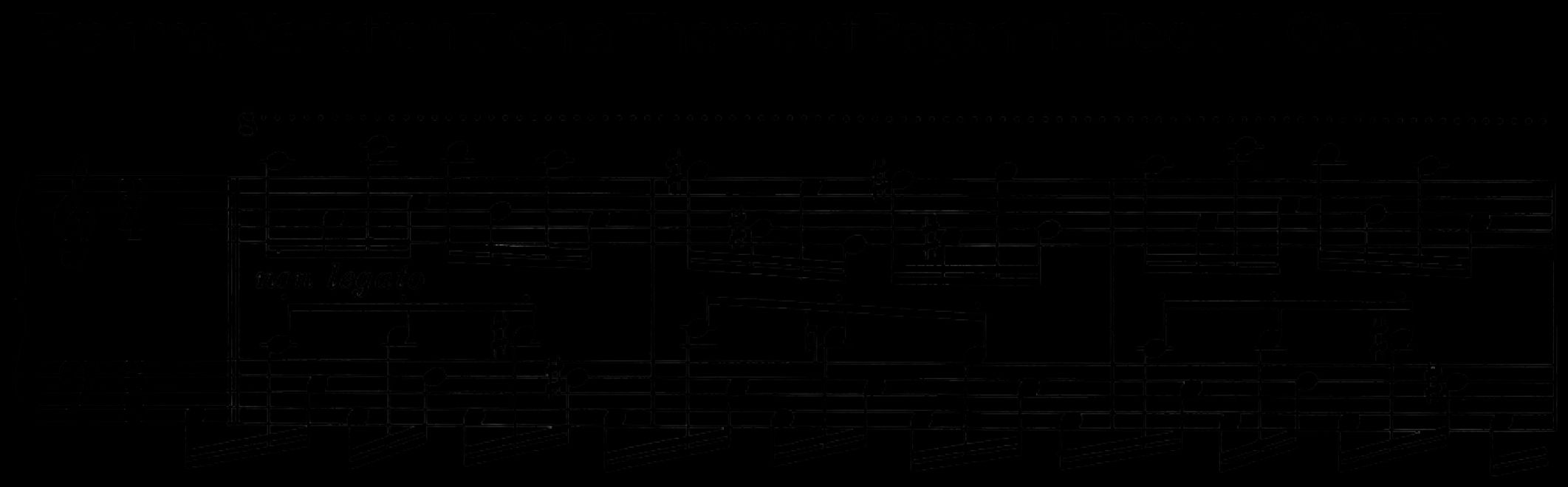
As the 19th Century wore on, virtuoso pianists took their cue from Chopin and created a more concert-level type of étude. At the extreme end of the difficulty scale, you’ll find the forbidding technical challenges posed by Franz Liszt’s Transcendental Études and Johannes Brahms’s Variations on a Theme of Paganini. Liszt demands sheer finger independence and velocity, while the polyrhythms and dense textures of Brahms are enough to make any pianist think twice:

What are the different types of études? What key concepts do they focus on?
Études are composed with specific technical challenges in mind, and so they exist in many different types. They range from simple drills on technique to imposing concert pieces.
Beginner level: simple five-finger exercises
As soon as beginning piano students are comfortable playing pentascales, they’re ready for a few simple études with no finger extension required. Hoffman Academy’s Unit 2 lesson on stepping and skipping is an excellent way to start practicing finger independence and hand posture, and the exercise can be transposed to any pentascale.
One to two years of experience: scale exercises
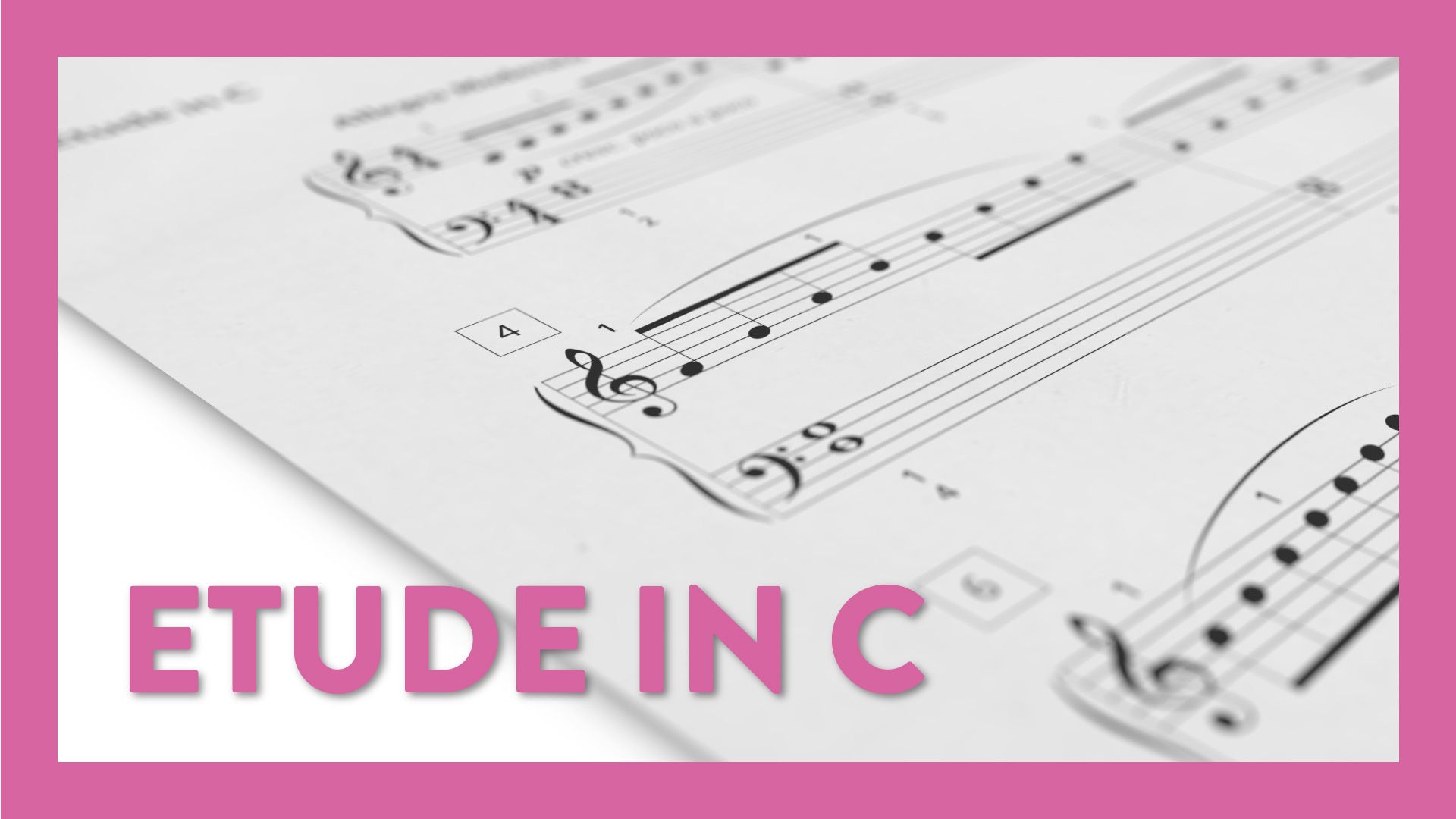
By this point students will have at least a few one-octave scales at their command. Alfred Biehl’s Étude in C gives plenty of scale practice in the key of C major on both hands. The focus is on smoothly passing the thumb under the hand and moving the hand over the thumb:
After three years: accompaniment patterns and rhythmic variety
Students should now be ready to break up chords into melodic patterns and accompany a melody. Carl Czerny’s The Little Pianist, Op. 823 offers many exercises using the Alberti bass and other accompaniments:
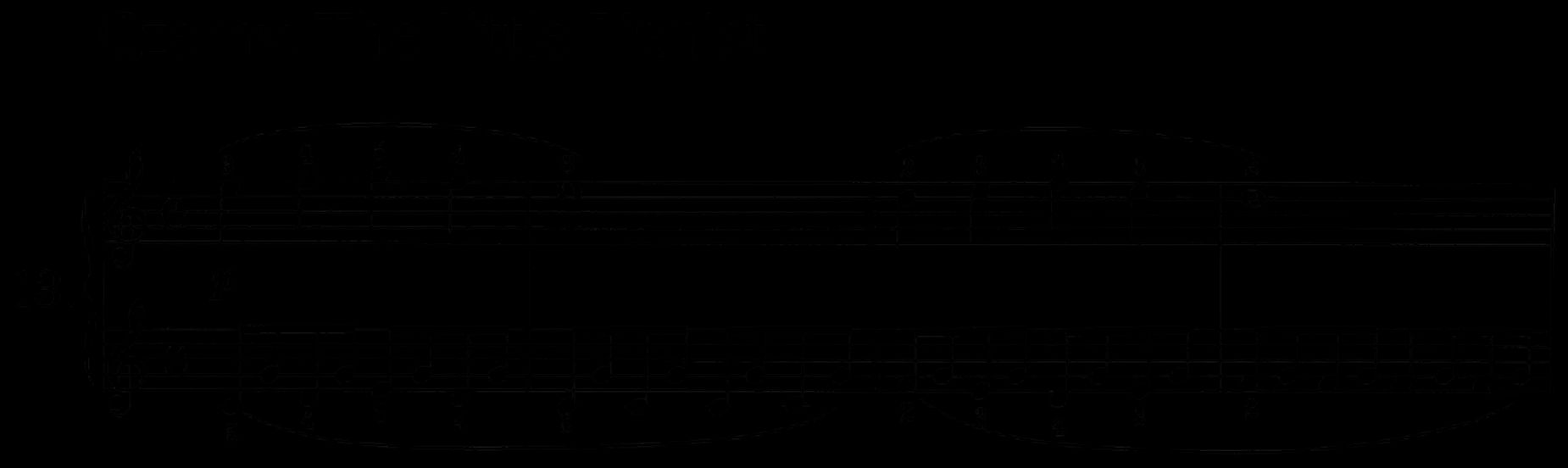
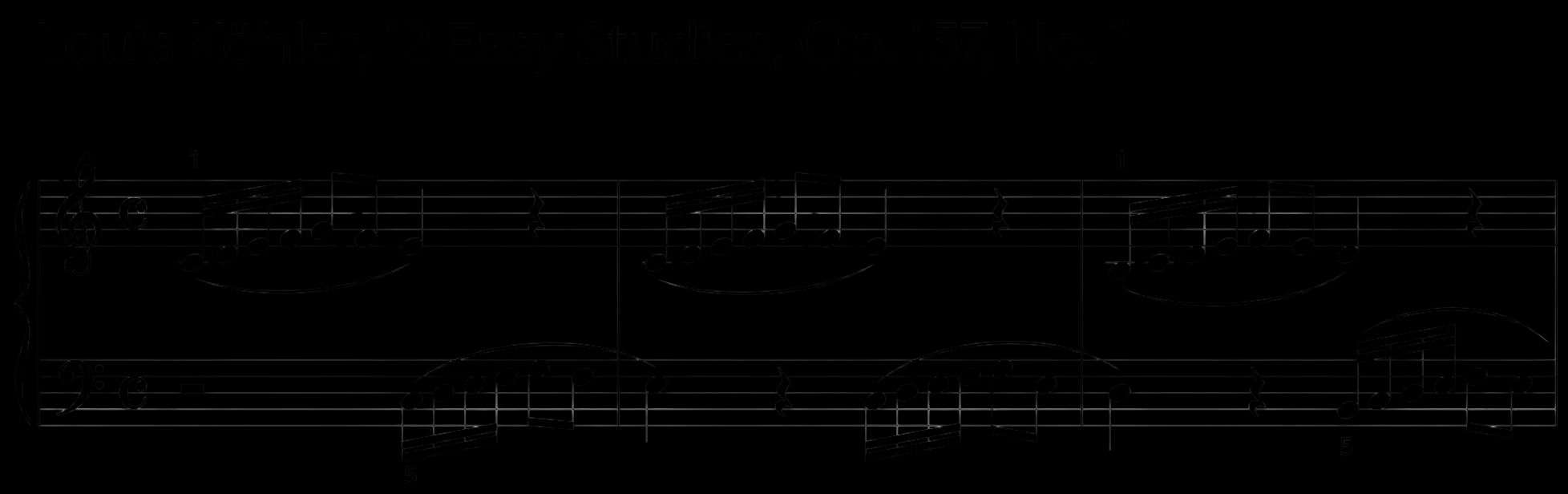
Louis Köhler’s Twelve Easy Studies, Op. 157 provide scale and figuration practice, but with more rhythmic variety:
Intermediate level: bridging exercises and repertoire
At this level students can tackle études that double as performance pieces by focusing on artistry as well as technical challenges.
Stephen Heller’s Étude in C Major, Op. 47, No. 1 is a lovely study on using arpeggios to create a harp-like texture between the hands. While focusing on a specific concept, this piece has enough melodic and harmonic interest to make it suitable for performances as well as practice.
Concert-level showpieces
Players of difficult repertoire often include the advanced études of Chopin, Rachmaninoff, and other Romantic-era composers in their performances. These are pieces in which artistry and technical focus are on equal footing.
The Étude in A minor, Op. 25, No. 11 by Chopin spotlights a tempest of right hand figuration over a left hand melody with strident dotted rhythms.
Rachmaninoff’s Étude-Tableau, Op. 39, No. 5 in E-flat minor demands the utmost experience in arm weight, relaxation, and endurance with titanic chords, octaves, and huge left hand leaps.
Advanced technique exercises
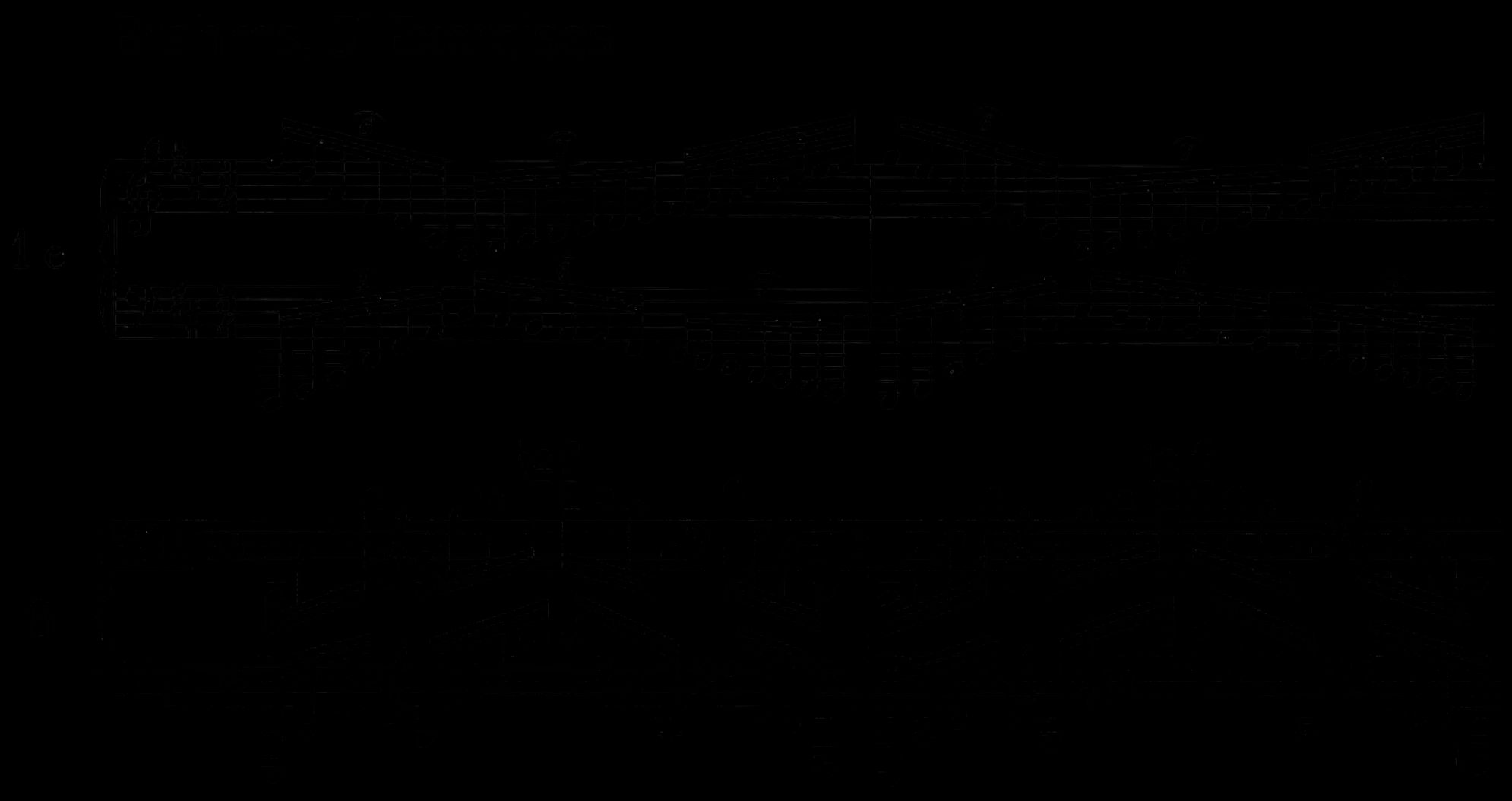
Some études tackle problems found only in the most demanding piano music. Brahms wrote his 51 Exercises with just these types of challenges in mind. Exercise 1e features difficult polyrhythms between the hands, while exercise 6 is a fearsome study in broken octaves:
What are examples of popular études on piano, and the composers who were famous for them?
Many of the études in Jean-Baptiste Duvernoy’s Op. 176 collection are suitable for early intermediate players. They explore a variety of keys, meters, and techniques.
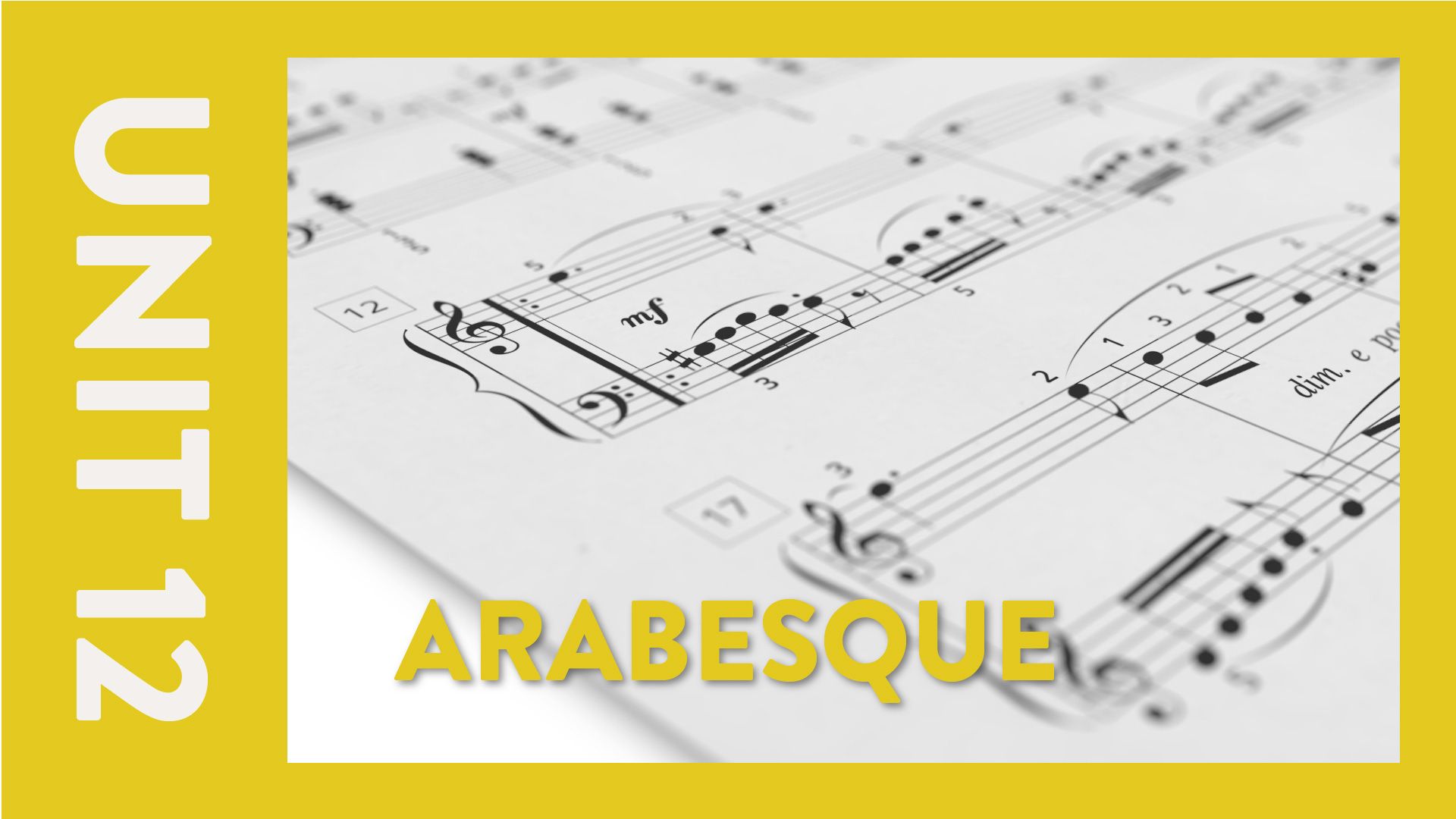
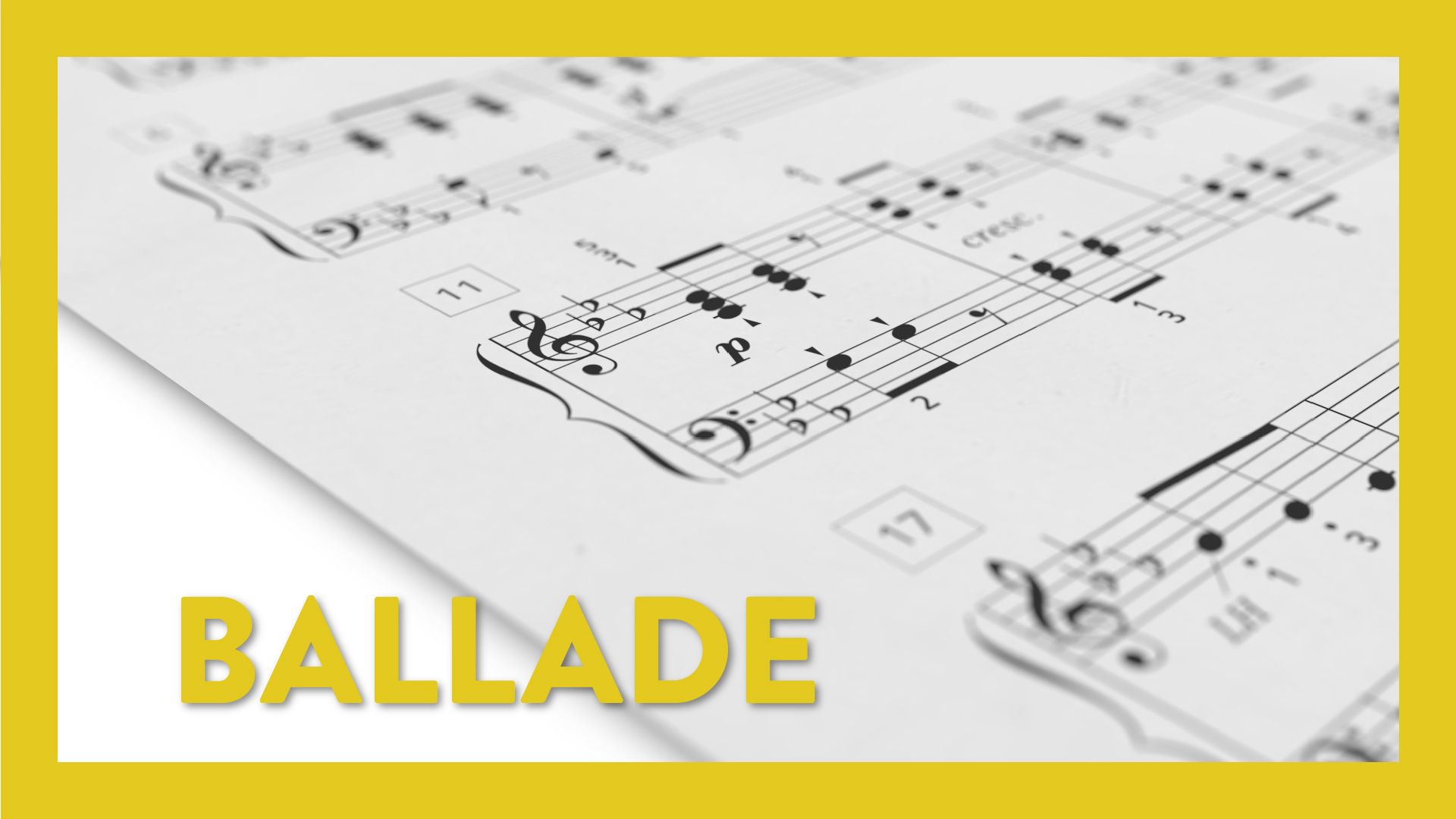
The 25 Progressive Pieces, Op. 100 by Friedrich Burgmüller are light salon compositions that double as études. They are perfectly within reach of early intermediate to intermediate players, and at Hoffman Academy, you can learn how to play Arabesque, Op. 100, No. 2 and Ballade, Op. 100, No. 15:
Jean-Louis Streabbog’s Twelve Melodic Studies, Op. 63 offer early intermediate to intermediate students an array of studies that can also stand as charming individual pieces.
Ludvig Schytte’s Twenty-Five Melodious Studies, Op. 108 are perfect for young students crossing the threshold into early intermediate music. You can learn his Melody for Left Hand from this set with Mr. Hoffman!
The Opus 50 Études by Louise Farrenc start at intermediate level, and show a wealth of lyricism and practical technique.
Chopin wrote his G-flat major Étude, Op. 10, No. 5 as a breathless study in right hand arpeggio triplets and left hand leaps, requiring the utmost agility and endurance:
Heller’s Étude in C minor, Op. 46, No. 26 makes flamboyant use of arpeggios, and is reminiscent of Chopin’s style without being quite as challenging.
To be outdone by no one, Franz Liszt wrote his Transcendental Études to be a pinnacle of 19th Century showmanship. The “Mazeppa” Étude, No. 4, gives a clear impression of what kind of pianist Liszt was:
The Étude in D-sharp minor, Op. 8, No. 12 by Alexander Scriabin is an impassioned showpiece with rapid octaves for the right hand, huge frenetic chords, and dizzying left hand leaps. Only pianist Vladimir Horowitz could make it look so easy:
Are études only for piano?
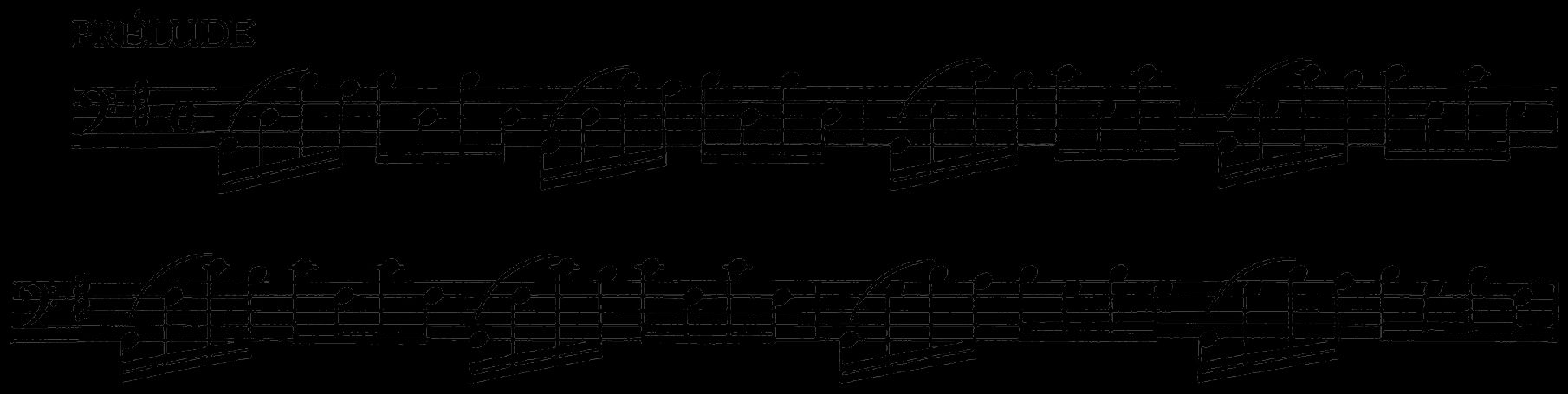
Études have been written for practically every instrument. Johann Sebastian Bach wrote the Six Cello Suites, BWV 1007–1012 as dance movements, but they have since been taken up as valuable études for cello technique. The rhythmic uniformity of the famous G major Prelude from Suite No. 1 allows the player to focus on widely-spaced arpeggios and clean intonation:
Heitor Villa-Lobos wrote twelve études for guitar that help develop technical skill within a Brazilian musical idiom:

What are tips for practicing études on piano?
- Études put a spotlight on only one or two concepts at a time, and so they give students the breathing room to focus on posture and relaxation. Be aware of how you’re seated at the keyboard, and use wrist motion and arm weight to help the fingers play.
- It’s more beneficial to select exercises with concepts featured in the repertoire you’re working on. Try this rather than spending an inordinate amount of time practicing every exercise in a single volume. If you’re tackling a repertoire piece filled with legato thirds, seek out études that help you work through the same technique.
- For any étude, whether an exercise by Köhler or an advanced study by Chopin, apply the same musicality and expression that you would give a repertoire piece. Even scales or Hanon should not be purely mechanical drills, but a way to work on phrasing, dynamics, articulation, and interpretation into your playing.
Start learning études on piano
Because études range from simple drills to acclaimed concert masterpieces, you can enjoy a variety of uses for them. For beginners up through intermediate level, Hanon’s finger exercises and the approachable études of Streabbog, Köhler, and Burgmüller will be ideal. However, more advanced players might include a Heller, Chopin, or even Rachmaninoff étude in their repertoire. Whatever your skill level, études have practice benefits, musical interest, and artistry for everyone.