


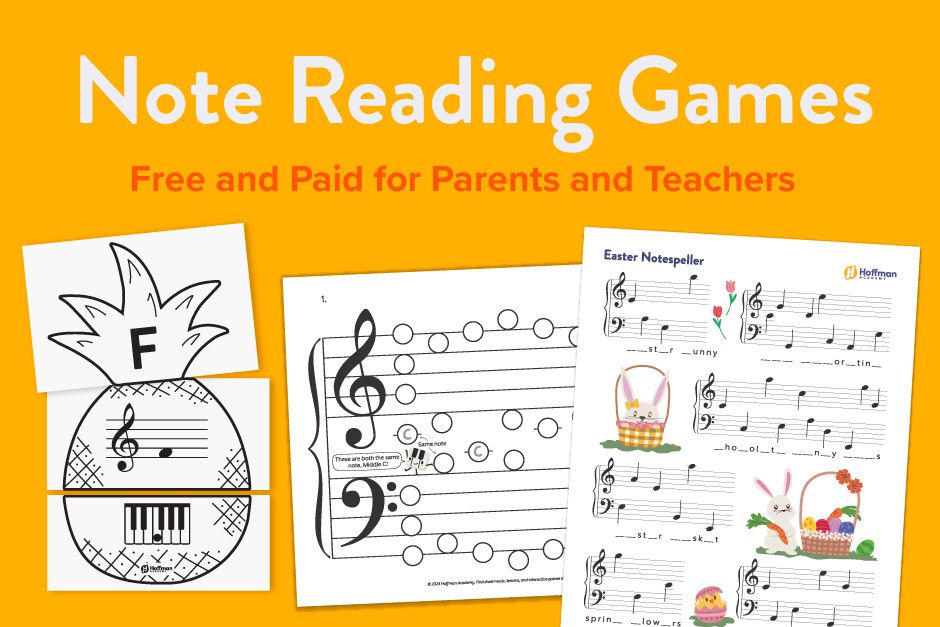
Students unlock sheet music the fun way through note reading games. Exercises–from matching and flashcards to solving word puzzles–teach students how to decode the notes on the staff and connect them to the keyboard. This makes the process of mastering music literacy easy and fun.
Teachers and parents can assign note reading activities for extra practice away from the keyboard. To make this easy for you, we’ve included a total of 18 free and paid note reading games for kids. With flashcards, sight reading exercises, and specific drills for reading treble and bass clef activities, we have the resources you need to help your student build their note reading skills.
What are note reading games?
Different types of note reading activities include matching games, flashcards, coloring, and word puzzles. These games teach beginners to connect the note symbols on the page to the note on the keyboard.
Why note reading games are effective for kids
Games help kids connect the notes on the staff to the notes on the keyboard. Playing these games makes practicing reading sheet music easier and more fun. These games can help students learn to recognize notes faster in sheet music and on the keyboard. This process builds stronger sight readers and pianists.
The same way phonics flashcards and books build skills in young readers, note reading games create bite-sized practice opportunities. These opportunities strengthen a young student’s ability to navigate sheet music. These games are also customizable to a student’s practice needs. If your student struggles reading bass or treble clef, you can use flashcards or worksheets to target those skills.
Types of note reading games
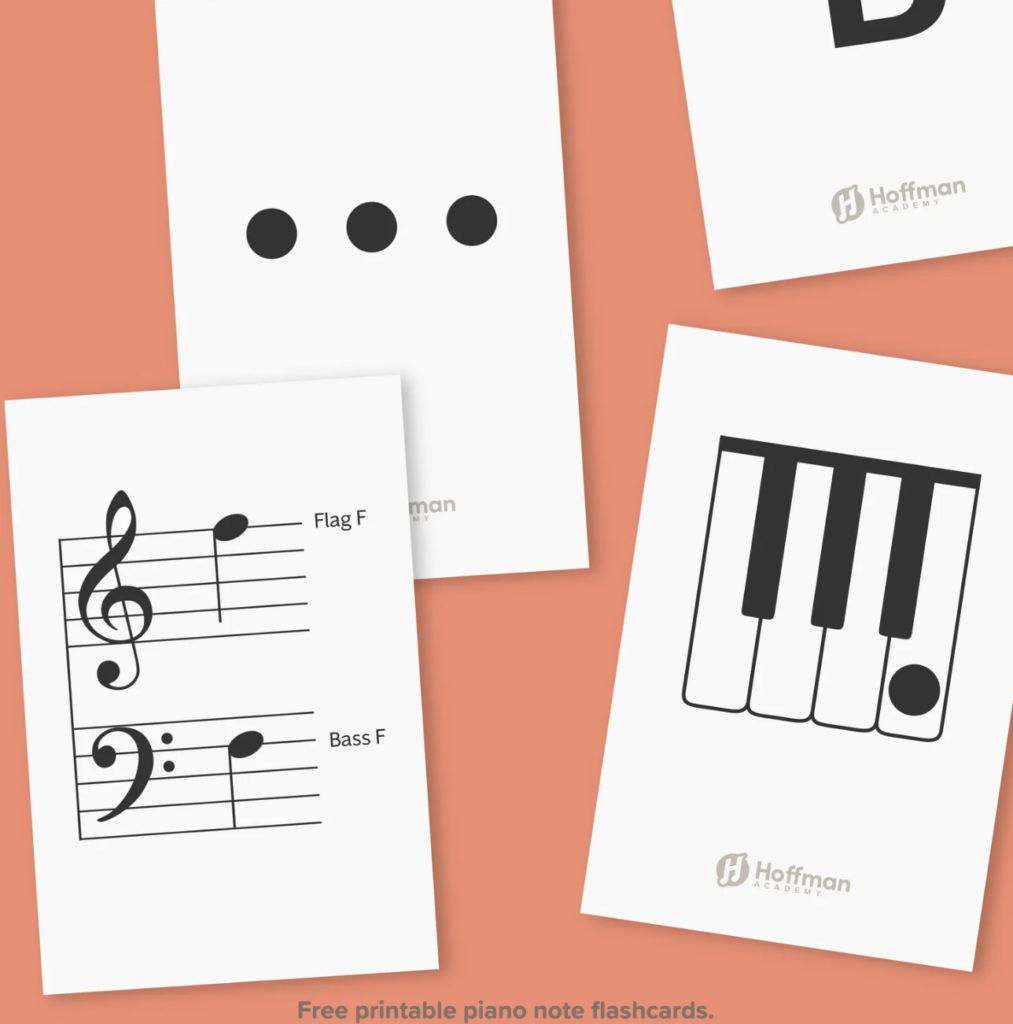
Flashcards teach students to visually pair a note to its place on the staff. Ideal for practicing staff notes, flashcard drills increase the pace of note recognition. This helps students when they begin reaching for note reading skills during sightreading.
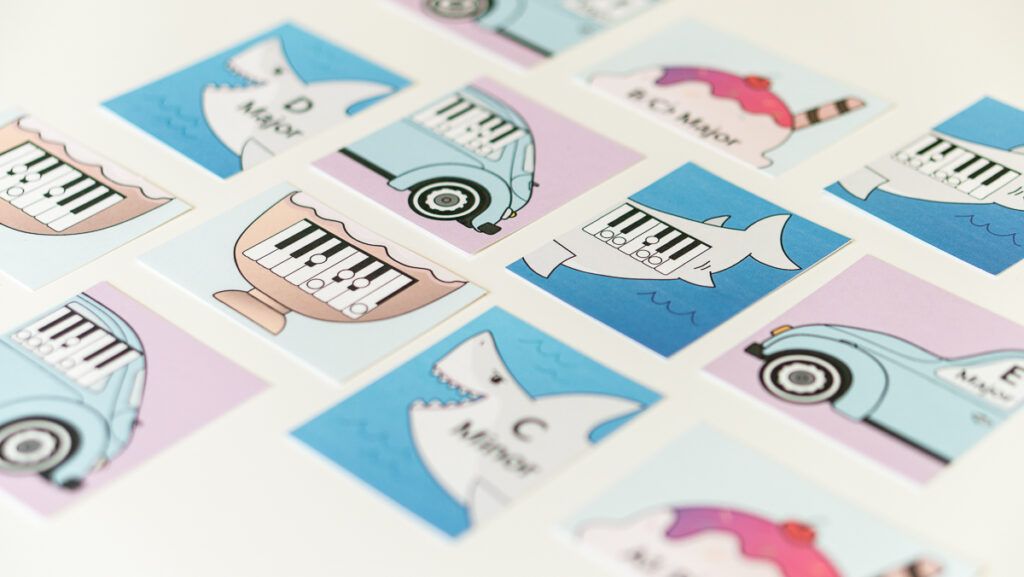
Matching shows students how to connect a note on the staff to the note on the keyboard. These exercises create connections for students between the keyboard and sheet music. Games with matching build key pathways and connections for students to bridge music on the page to the notes they play.
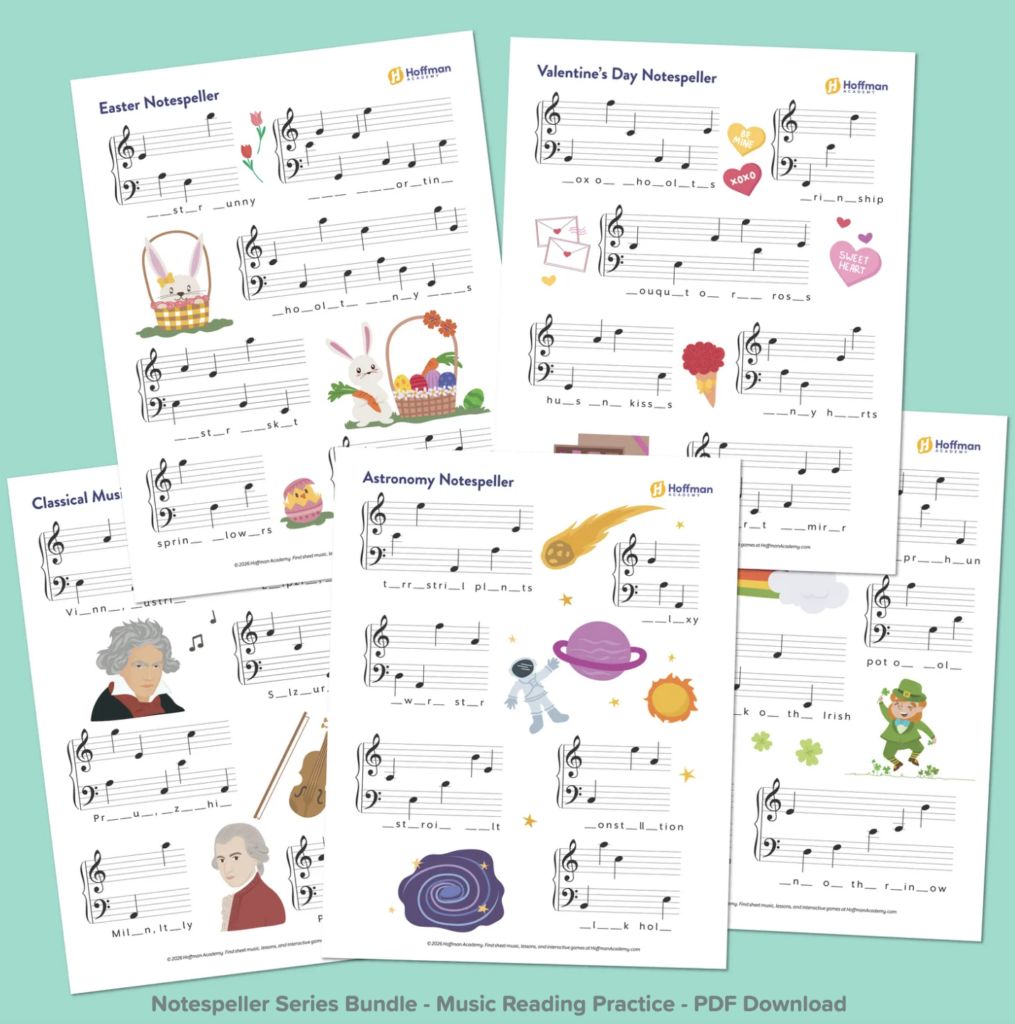
Note identification shows students a note and asks them to name it. Our Notespeller worksheets have students decode the notes to solve word puzzles. Identifying a note and writing it down is generative knowledge, rather than matching knowledge. It can help students gain speed when reading music.
Free note reading games and resources
Start on the way to note reading mastery with our free Guide Notes on the Grand Staff resource. Guide notes make reading sheet music fast and intuitive. This reference guide lays out all 9 guide notes and color codes them.
For more guide notes practice, our free Guide Notes Jellyfish download gives students a chance to name the guide note and then match it to the corresponding note on the keyboard.
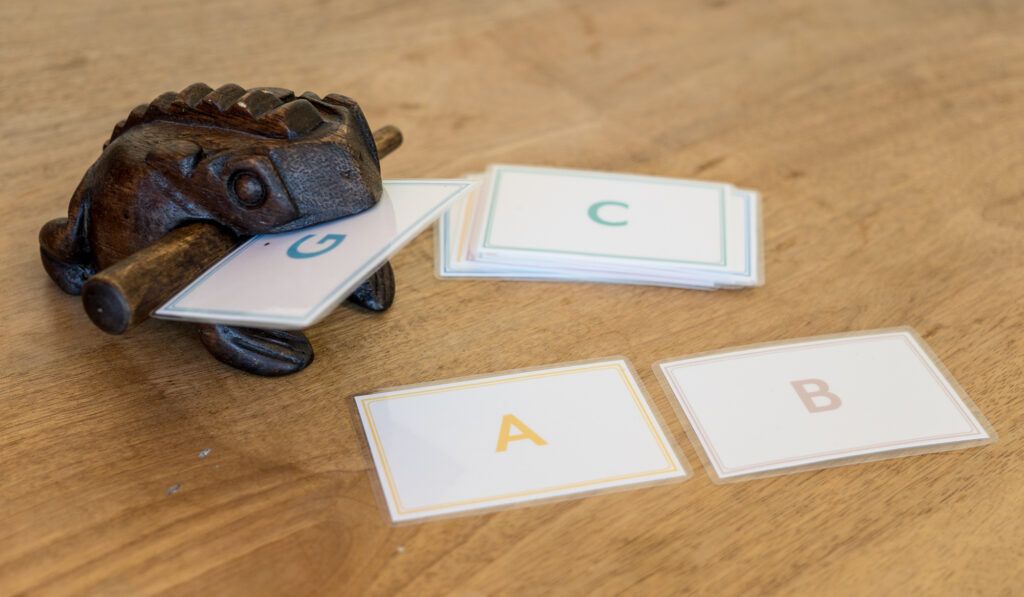
Incorporate our free Piano Note Flashcards into your lessons! This is a great resource for pianists drilling note locations on the staff and the keyboard. They’ll help with memorizing the location of notes on the keyboard and their correlation to the staff.
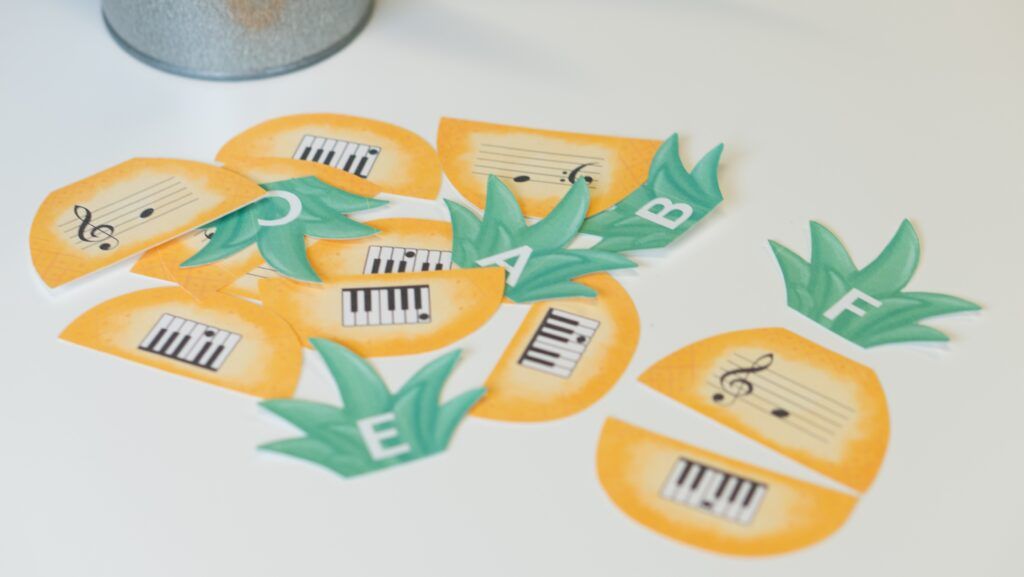
The delightful Pineapple Matching Game drills note name, staff placement, and keyboard placement. Students match the note name to the corresponding treble or bass note and the matching keyboard position.
Another excellent note reading resource for beginning pianists is the Piano Keyboard Notes Chart w/Staff. This piano chart builds a lasting connection between the keyboard and sheet music by showing the full keyboard with the notes on the staff.
Treble clef practice resources
Students may have difficulty keeping track of the notes with ledger lines. Our Treble Clef Ledger Lines activity sheet teaches beginners to connect the ledger lines to the notes on the keyboard.
Our Treble Clef Tracing activity teaches students how to draw a treble clef – and the notes that the clef indicates on the staff. Treble Clef Ledger Lines Below the Staff includes further music theory practice and asks students to practice intervals as well.
Bass clef practice resources
This Bass Clef Ledger Lines & Notes Activity Sheet helps students connect the notes above and below the staff to the corresponding note on the piano. Use our Bass Clef Tracing printable to teach your students the notes on bass clef and the history of this “f clef.” Our Bass Clef Upper Ledger Lines offers further practice with the ledger lines.
Premium note reading resources
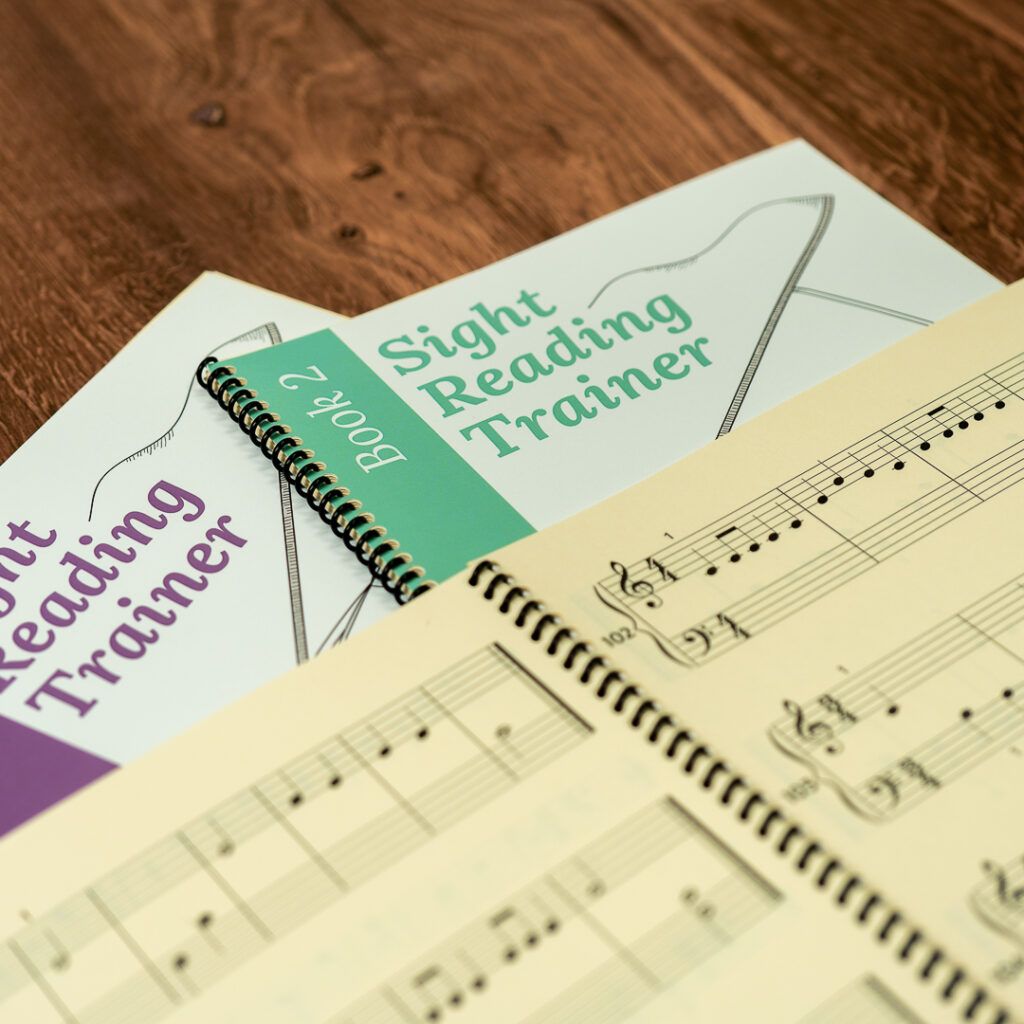
Sight reading music puts your students’ note reading skills to the test! It can be the ultimate applied game for connecting music notes on the page to the keys on the piano. Our Sight Reading Trainers also come paired with lessons that teach students the basics of sight reading.
Notespellers teach students to read notes faster. By solving for the note name, students complete the word puzzle. It’s a great way to test recall and note reading. Our Premium Notespeller Series Bundle – Music Reading Practice bundle includes five worksheets.
Our Music Note Finder for Beginning Students provides students with important repetition of guide notes on the grand staff.
This Staff Notes Around Middle C provides excellent practice with notes on both the bass and treble staves. Students will complete note identification packets, solve notespeller puzzles, and circle and color the notes.
Note reading games for beginners
Note reading games build beginners’ music literacy skills and provide fun opportunities for practice. Start by playing a matching game or using flashcards together in the classroom. You can drill notes on the staff or ledger lines depending on a student’s ability.
These games make for excellent beginner homework as well. You can search our Store for Theory Worksheets, or use some of the bundles above. These exercises are customized by level.
Tips for using note reading games effectively
Make note reading practice part of every lesson
Incorporating note reading in every lesson reinforces student knowledge. It’s also a great connection opportunity for your students. Take the time to play a matching game together on the floor and coach your beginning pianist through the notes. You can also mix up the flashcards, set a timer, and race one another to pair all the flashcards. These drills introduce a bit of fun and competition while reinforcing concepts in the lesson.
Integrate note reading practice into student homework
Assign note reading worksheets like our Notespeller series or our color-by-note packets. These give students an opportunity to continue to practice those skills at home. Including reference materials, such as our Guide to the Grand Staff, can help students with problem solving since students have the tools to self-correct. These activities further build music literacy skills away from the piano bench while building student independence.
Start improving note reading today
You can start now to improve your students’ note reading skills through games. The tools above, from flashcards to matching games and worksheets, all support developing treble and bass clef reading skills. Use these note reading games to improve sight reading skills by connecting sheet music to keyboard. In your lessons and your homework, your students will have fun and make musical progress!