





The Ionian mode shares the same notes as the major scale. The white keys from C to C on the piano make up this mode. It features major third, sixth, and seventh scale degrees. Those major intervals create a sense of happiness in music written in Ionian.
This mode takes its name from Ionia, a region of the Mediterranean near present day Greece. The Ionians were one of the four major groups of Ancient Greeks. They lived in the area around Athens, and were noted for their enjoyment of music and culture (unlike more war-like Sparta).
Ready to master all the Greek modes? Check out Hoffman Academy’s Music Modes Chart Packet, a free reference guide to the Greek modes.
What is the Ionian mode in music?
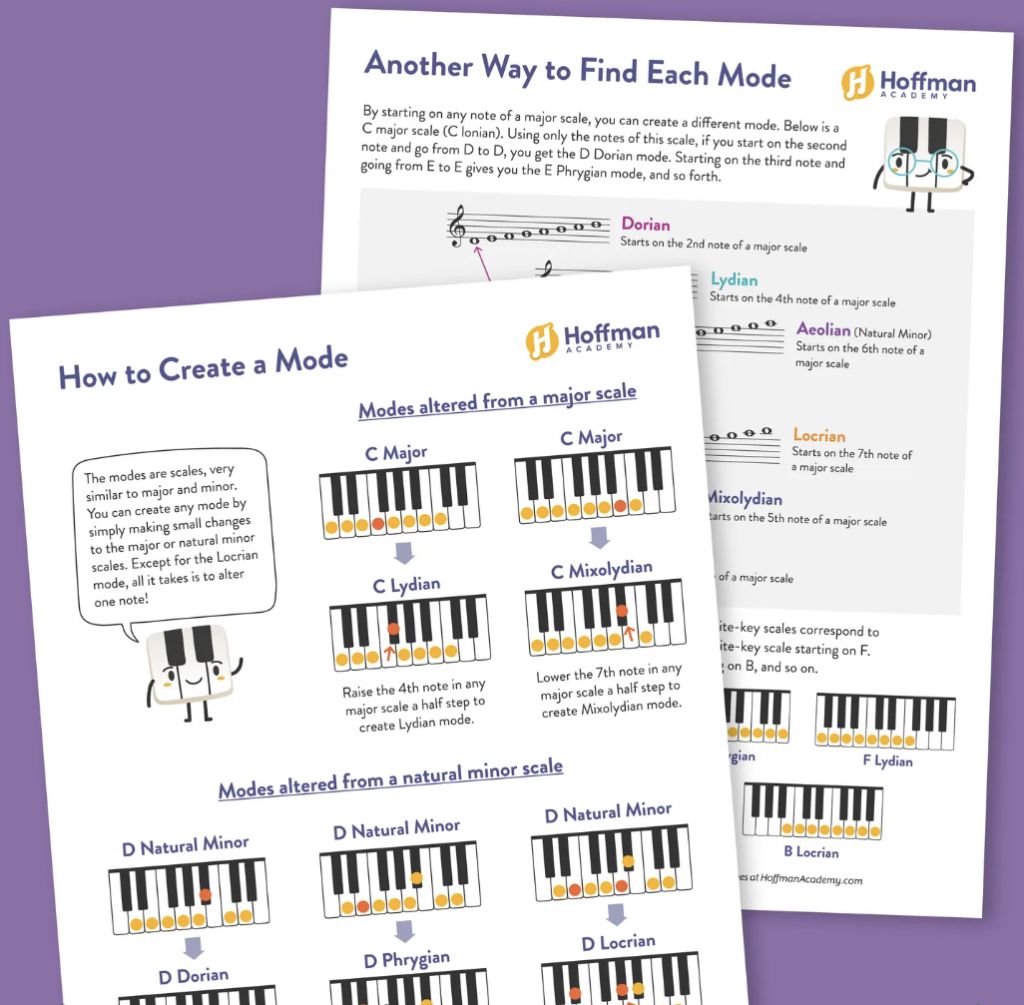
Ionian shares the same pattern of whole and half steps as the major scale. It is also one of the three modes featuring a major third from the bottom note, or root, to the third note of the scale. This makes Ionian, Lydian, and Mixolydian all related to today’s major scale.
The Ionian mode reflects a sense of triumph. This mode became the underpinning of songs in major keys. The feelings of this mode influence today’s use of tonality to shape music. Written with the major scale, Beethoven’s “Ode to Joy” also features Ionian’s bright feeling.
Today, musicians tend to use the terms major and minor to describe scales and chords. In our classical and pop music, we use chord progressions and scale degrees to describe the way music functions harmonically. The focus on the way a pop song moves from V to I in a progression is a feature of tonal music, rather than modal music. Although the Ionian mode uses the same notes and intervals as the major scale, pianists playing in this mode are creating music using the notes of the scale rather than thinking about the harmonies that go with the notes. You can learn more about creating the modes through our free downloadable Modes Packet.
What is the formula for the Ionian mode?
Ionian uses the whole step – whole step – half step – whole step – whole step – whole step – half step formula. These notes also form the major scale. You can transpose Ionian to any key by using this formula, or you can use our Major Scales Download to find the corresponding mode.
What are the intervals in the Ionian mode?
From the tonic, Ionian uses the intervals below to create the scale:
- Major second
- Major third
- Perfect fourth
- Perfect fifth
- Major 6th
- Major 7th
All of the major and perfect intervals in Ionian create a cheerful atmosphere. This mode also forms the root of today’s major scale.
Music in Ionian fits well into today’s chord progressions. In our tonal understanding, the notes of the Ionian mode resolve strongly to the major I chord from a major V chord. This is because of the perfect fifth and major seventh created in the mode. Genres from pop to classical use the major scale in part because of this strong pull back to the tonic chord.
Is the Ionian mode major or minor?
Ionian is a major mode. It shares the same notes as a major scale. The other major modes, Lydian and Mixolydian, also feature a major third above the root note, or first note of the mode. This major third at the beginning of the mode builds a major chord, so we describe these modes as major.
How do you use the Ionian mode in music?
In composition, Ionian works the same way the major scale does. Use this mode when you are looking for an upbeat, happy vibe. The major third, sixth, and leading tone seventh degree help Ionian resolve strongly.
What are the chords in the Ionian mode?
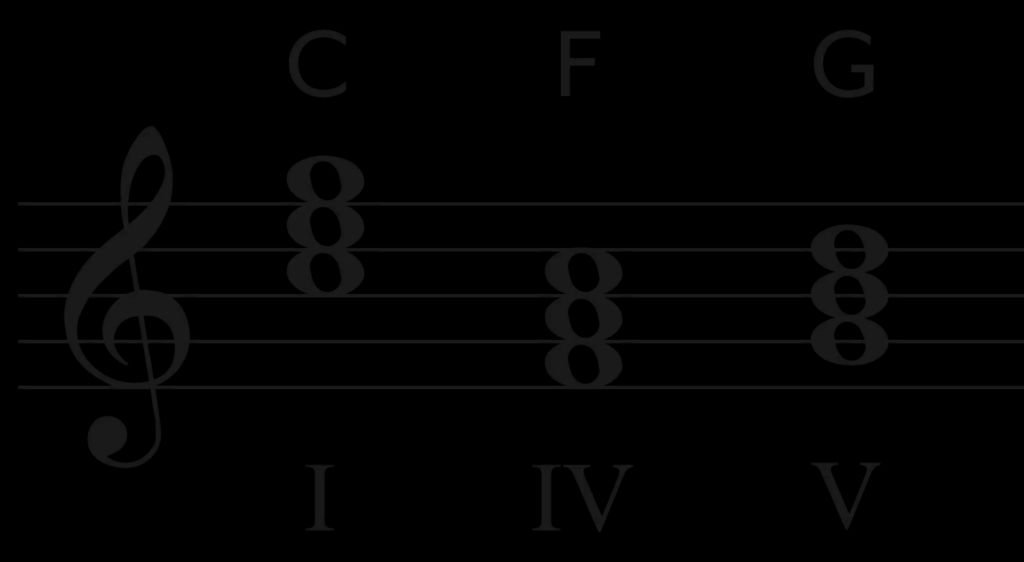
Ionian has the same chords as the major scale. The major chords are I- tonic, IV- subdominant, and V- dominant. Minor chords in this scale are the ii chord, the vi- submediant chord, and the iii chord. Ionian and the major scale both feature a diminished vii chord.
Many pop and rock songs in Ionian often feature the I-IV-V chord progression. This progression drives music back towards the tonic chord. Because the dominant V chord in Ionian uses the leading tone of the seventh scale degree, it musically pulls towards the tonic I chord.
How do you play the Ionian mode on piano?
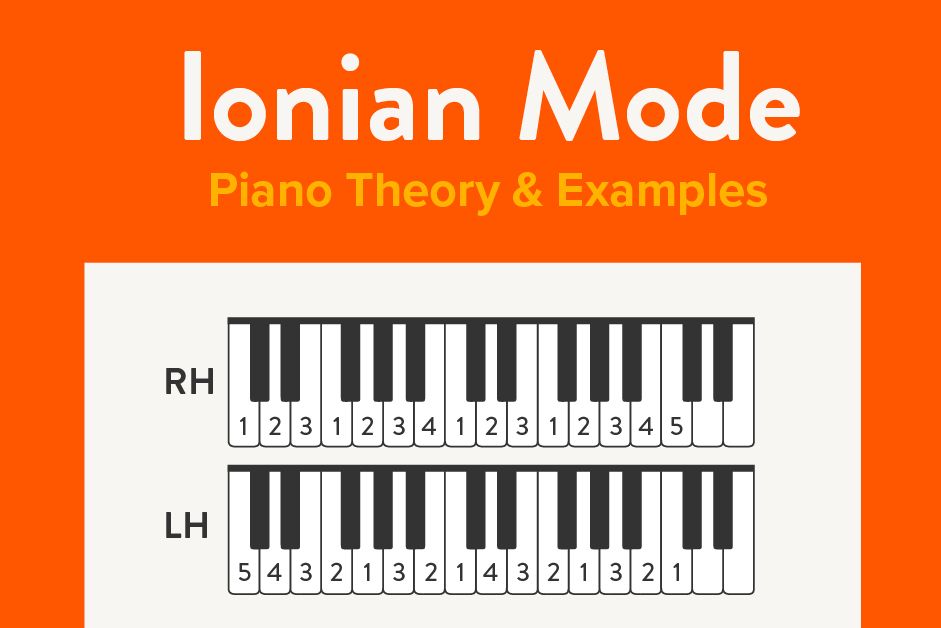
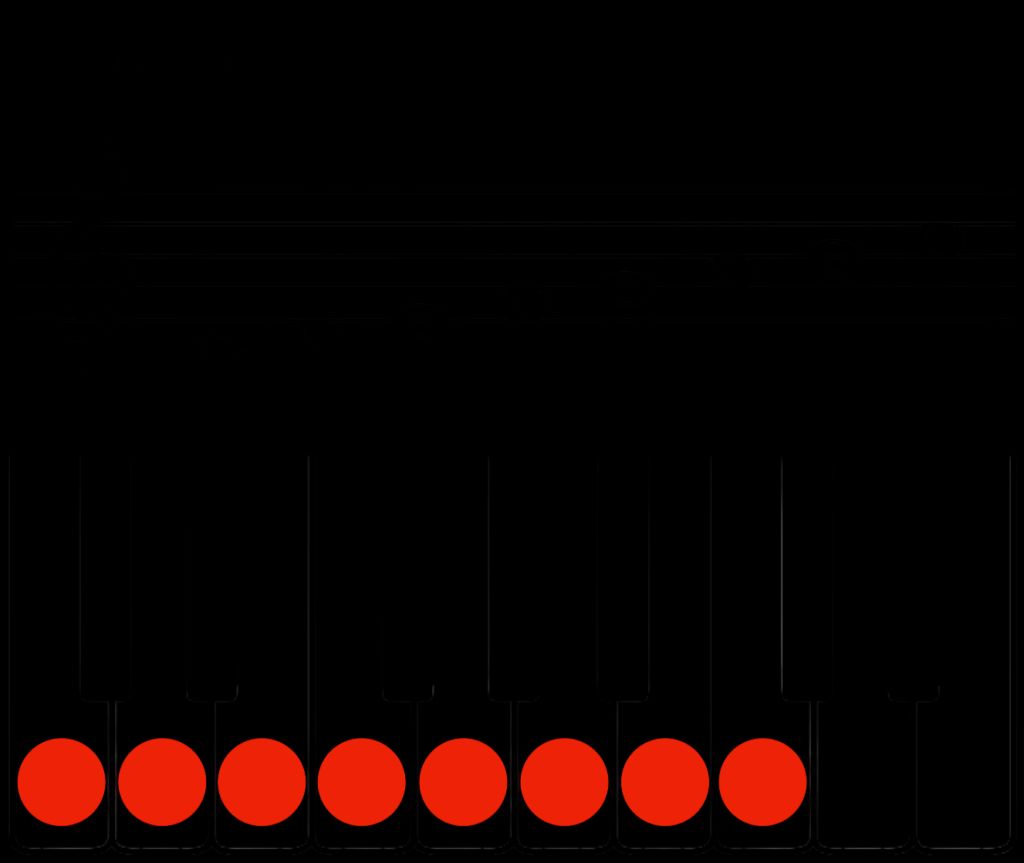
Find C on the piano and play all the white keys to play Ionian mode! You can find the fingerings for this scale on our C Major Scale post. For a one octave Ionian mode scale in C, the right hand fingering is 12312345 and the left hand fingering is 54321321. In different major keys, like scales including black keys, this fingering pattern can change.
Our Major Scale Downloads sheet includes the fingerings and notes for the major scales in every key. Because Ionian shares the same pattern of whole and half steps with major, you can use this downloads sheet to transpose Ionian to other keys. You can find Ionian in other keys by playing the major scale of that key.
What are examples of the Ionian in songs?
Many songs across all Western musical genres incorporate Ionian mode. From classical to rock to pop, the major scale lends itself to positive and bright music. Songs in Ionian pull strongly towards resolution and feature chord progressions common in pop and rock music
Love Story by Taylor Swift uses Ionian. The bright, happy vibes of this song come from the common major I – V – vi – IV chord progression.

For a very beginner pianist, Five Woodpeckers outlines the first five notes of C Ionian. It’s also a great exercise for practicing finger dexterity.

For more songs in Ionian, check out our Piano Store. On the left side of the page, click “key” and then select “C major.” You can also filter for a specific difficulty level to find the perfect piece to learn.
Continue your journey through the modes
Learn more about the modes with our Music Modes Chart Packet | Free PDF Reference Guide. This ideal resource for early intermediate students shows you how to construct modes. This in-depth tutorial and reference guide offers easy tips to make each mode, from the bright major intervals of Ionian to the more minor and sad Aeolian. It includes all 12 transpositions with fingerings as well.