





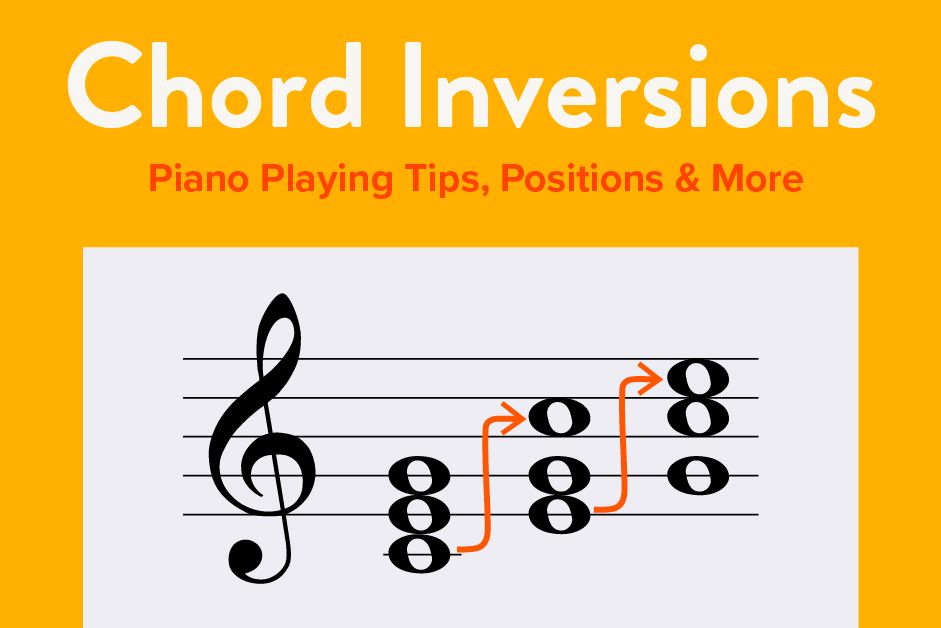
You may be surprised to look at these three chords and realize they’re all the same:

You’re seeing three different ways to write a C major triad, which contains the notes C, E, and G. Simply move the bottom note up to the top, and the chord has been “flipped” into a different arrangement of these three notes. As long as the chord has a C, an E, and a G, it remains a C major triad no matter which note is lowest, middle, or highest:
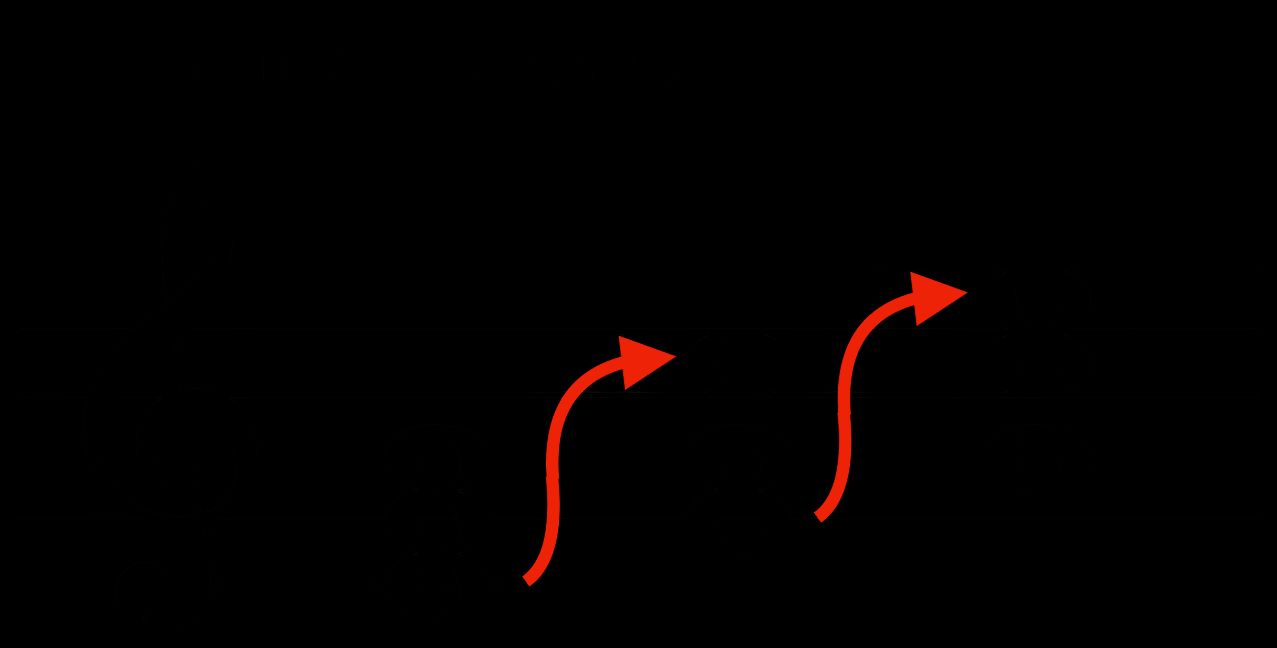
This reshuffling of the notes, so that they appear in a different order from bottom to top, is called chord inversion. As we’ll explore, inverted chords make for easier piano playing, better voice leading, and greater contrast and tension in music.
Get a complete rundown on inverting chords with our free Triad Inversions Reference Guide!
Learn piano with the world’s best music learning system! Try Hoffman Academy today!
What are inverted chords?
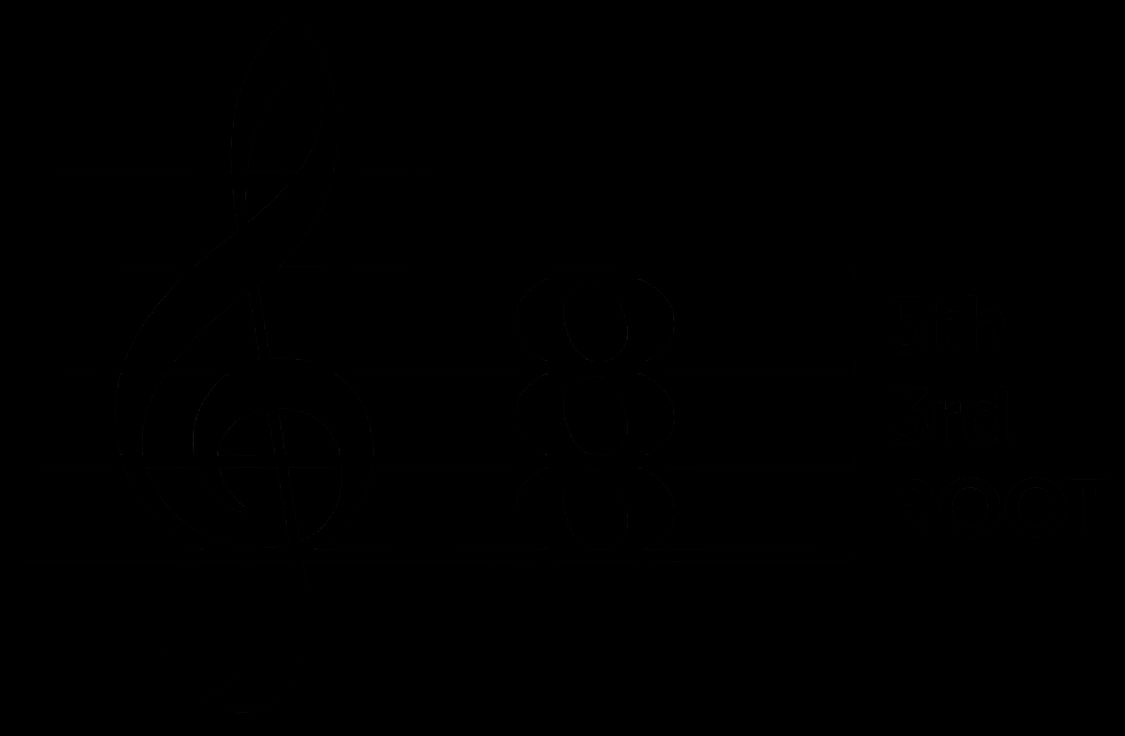
A chord is inverted when its root–the note that gives the chord its letter name–is not the lowest note. Let’s start with a triad, the most basic type of chord, which contains three tones: a root, a third, and a fifth. The root is the note a triad is named after, so F is the root of an F major triad, C-sharp is the root of a C-sharp minor triad, and so on. When the root is the lowest tone, the other two notes create the intervals of a third and a fifth above. The F major triad below has its root, F, on the bottom. Above that, the A and the C create a third and a fifth above the root, respectively:
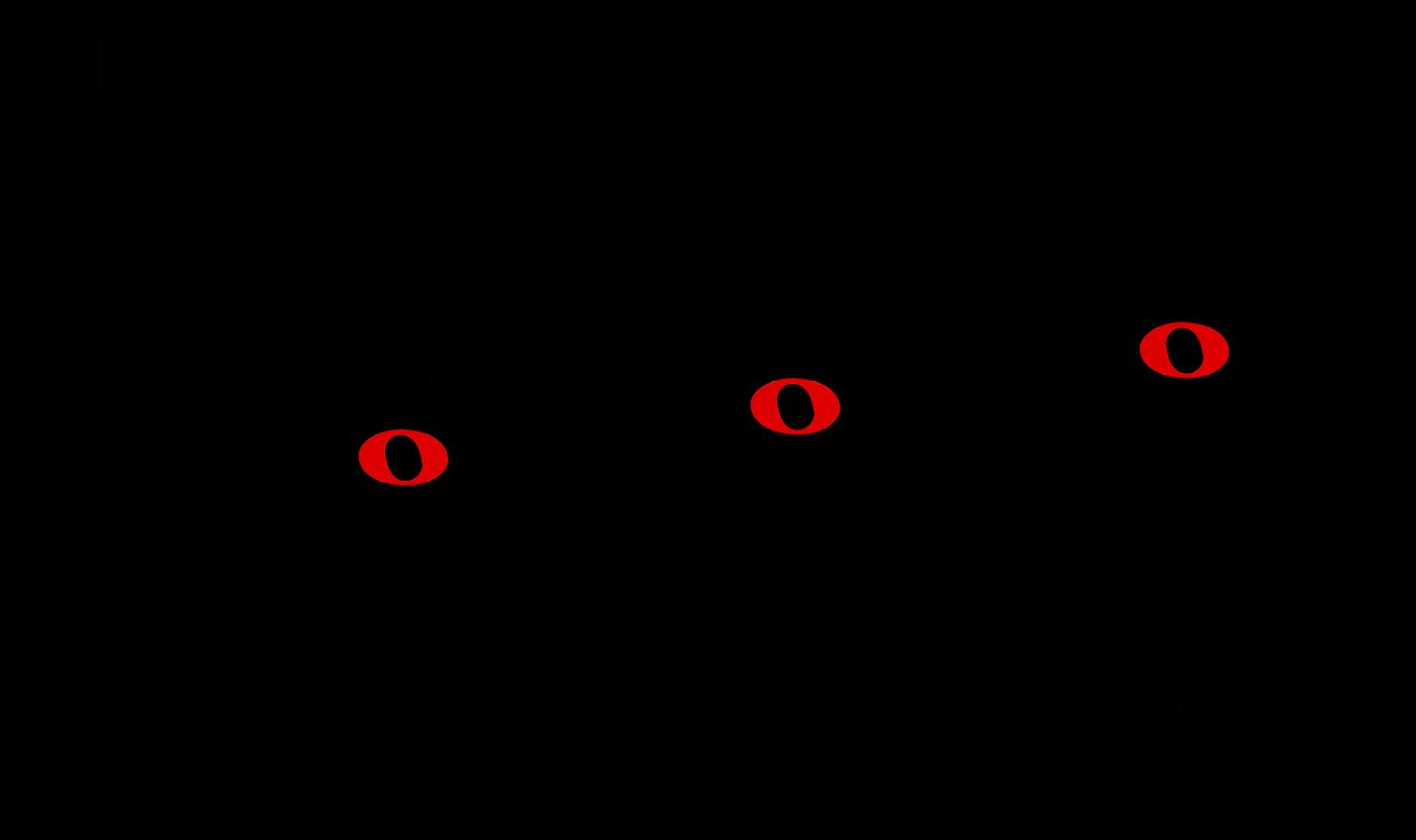
It’s important to not confuse the terms bass and root. The note that happens to be lowest is said to be in the bass. But the root may or may not be the lowest note. It might appear in the middle or on the top of the triad, in which case a different note will be in the bass. This is where chord inversions arise. The third, A, could be in the bass, as could the fifth, C. If any note other than the root is in the bass, the chord is inverted:
Learn more about chord inversions with Mr. Hoffman in this video lesson from unit 10:
Types of chord inversions
We’ll look at how to invert the two most common types of chords: the three-note triads and the four-note seventh chords. Each inversion will look different on the page and each will feel different when played on the keyboard.
Triad inversions – root position
Let’s practice with a G major triad. The chord is named after the note G, and so this is the root. If the root is in the bass, the chord is in root position, and the other two tones, B and D, produce a third and a fifth above. From bottom to top, the notes are G – B – D:

For piano players, this is most often what a root-position triad looks like. With the root on the bottom, the entire chord resembles a snowman all put together, with no gaps between the notes.
Also, listen to how stable and restful the chord sounds:
Triad inversions – first inversion
If we flip the root, G, up an octave, we then get the third, B, in the bass, and the chord is now in first inversion:
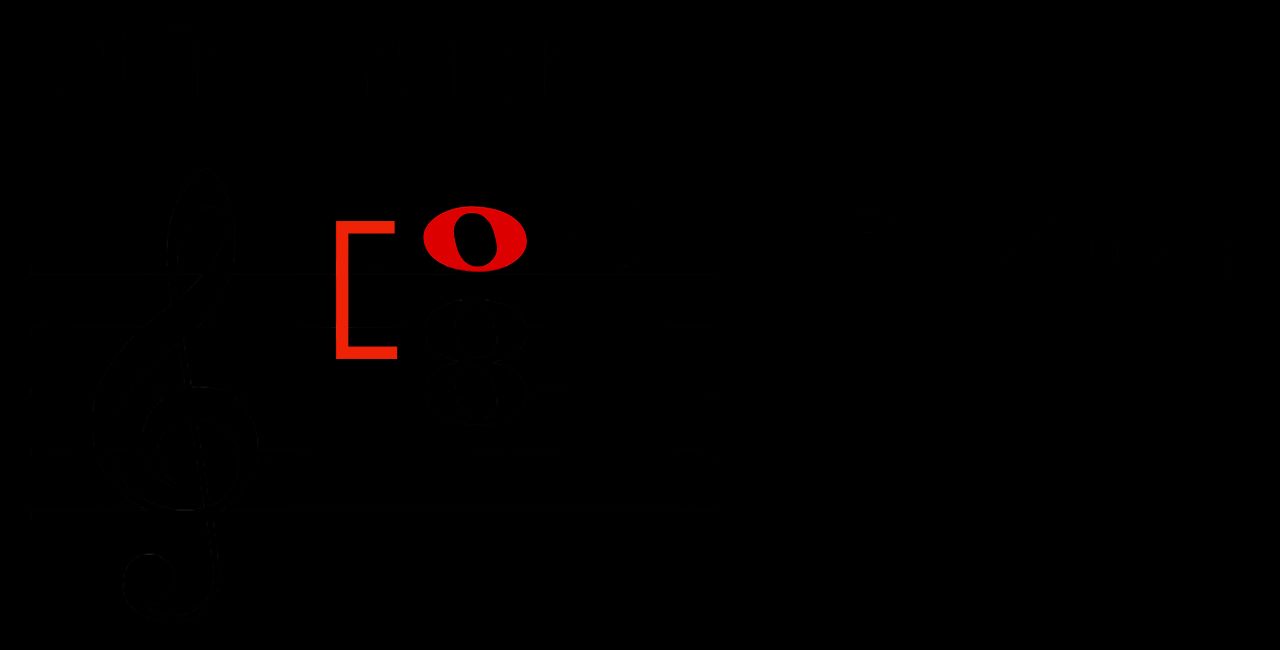
The triad now has a gap of a fourth between the top two notes, as if the snowman is losing his head, and the root is on top. Also, the chord is not as stable-sounding anymore:
Triad inversions – second inversion
Finally, sending the B up an octave leaves the fifth, D, in the bass, and the chord is now in second inversion:
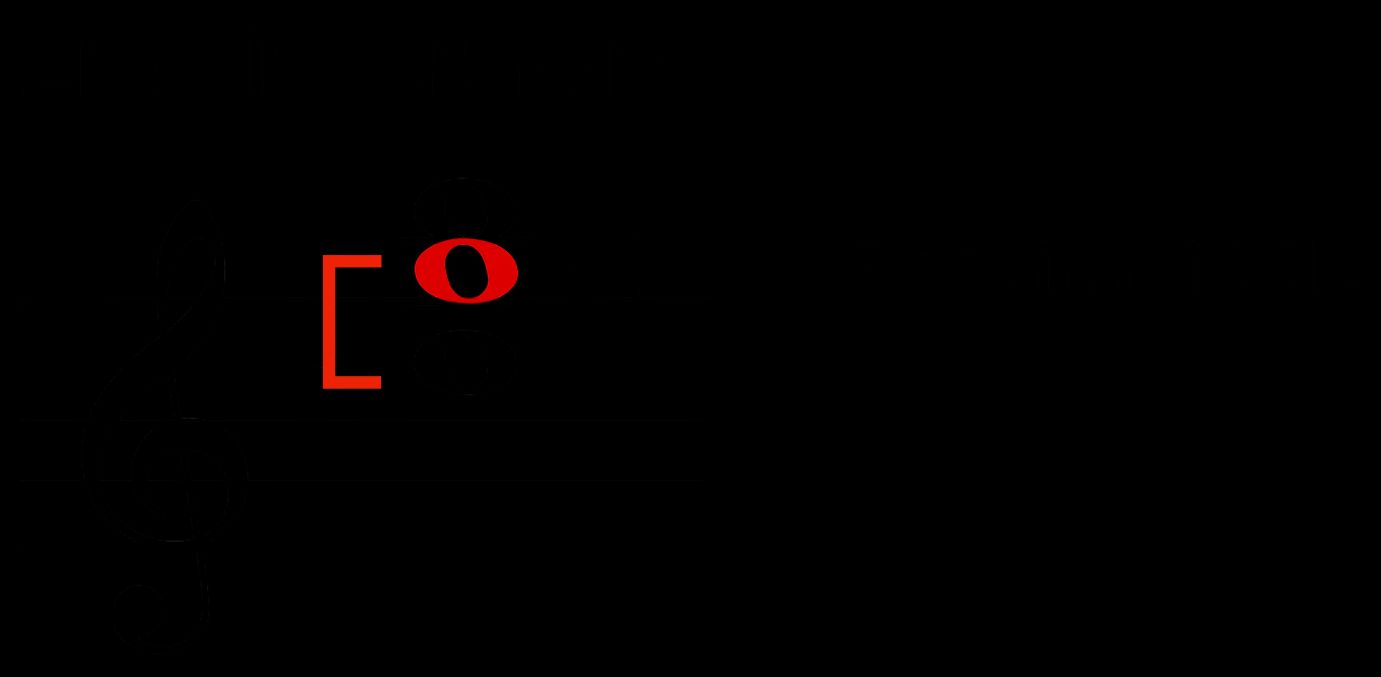
Now the gap is between the bottom two notes, the root is in the middle, and the chord sounds shaky and unstable:
Seventh Chord Inversions
Seventh chords have four notes: a root, a third, a fifth, and a seventh. Because they have more notes than triads do, three chord inversions are now possible. We’ll practice with a C major seventh chord:
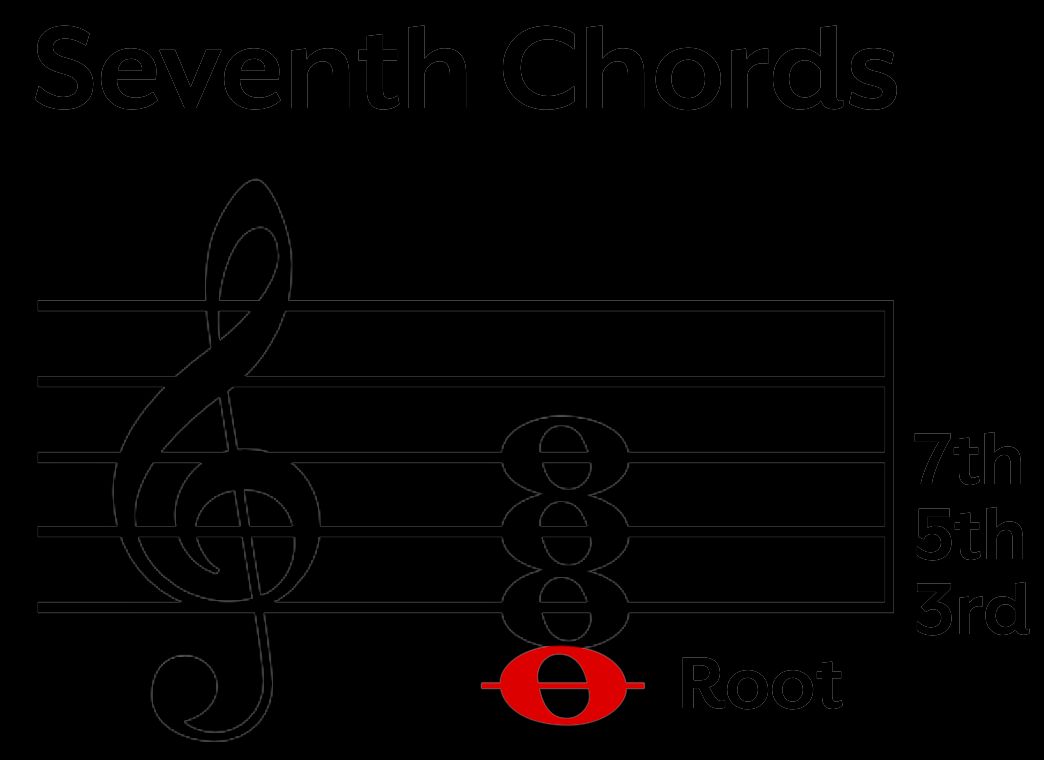
A seventh chord in root position will have the root in the bass, and, just like a root-position triad, will be evenly stacked with thirds:
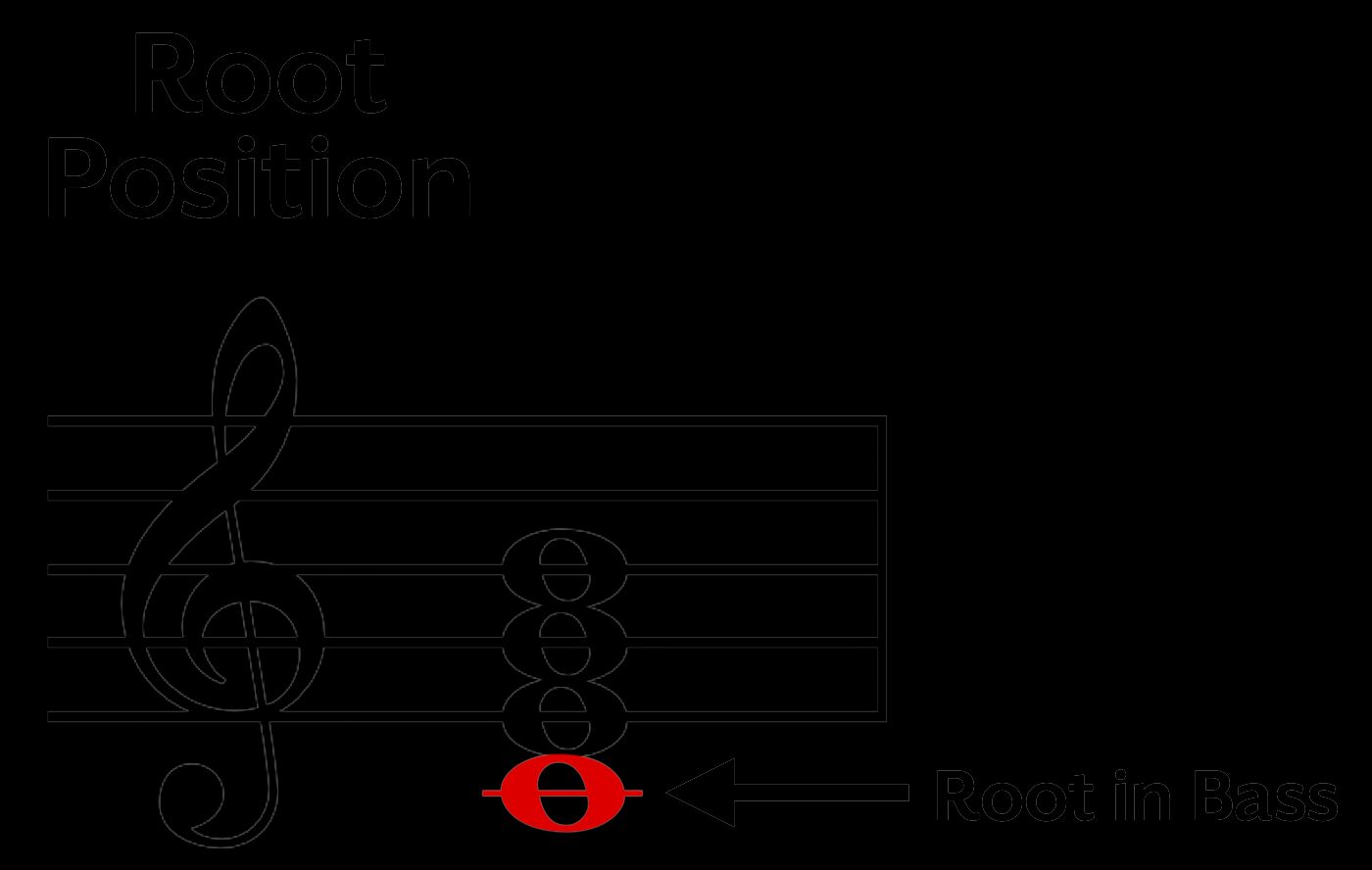
Move the root up an octave and we get first inversion. The third, E, is in the bass, and we now have a dissonant second at top. In close voicing like this, a seventh chord in any inversion will have this interval of a second. In first inversion, the second is at the top of the chord, and the top note in the second is the root:
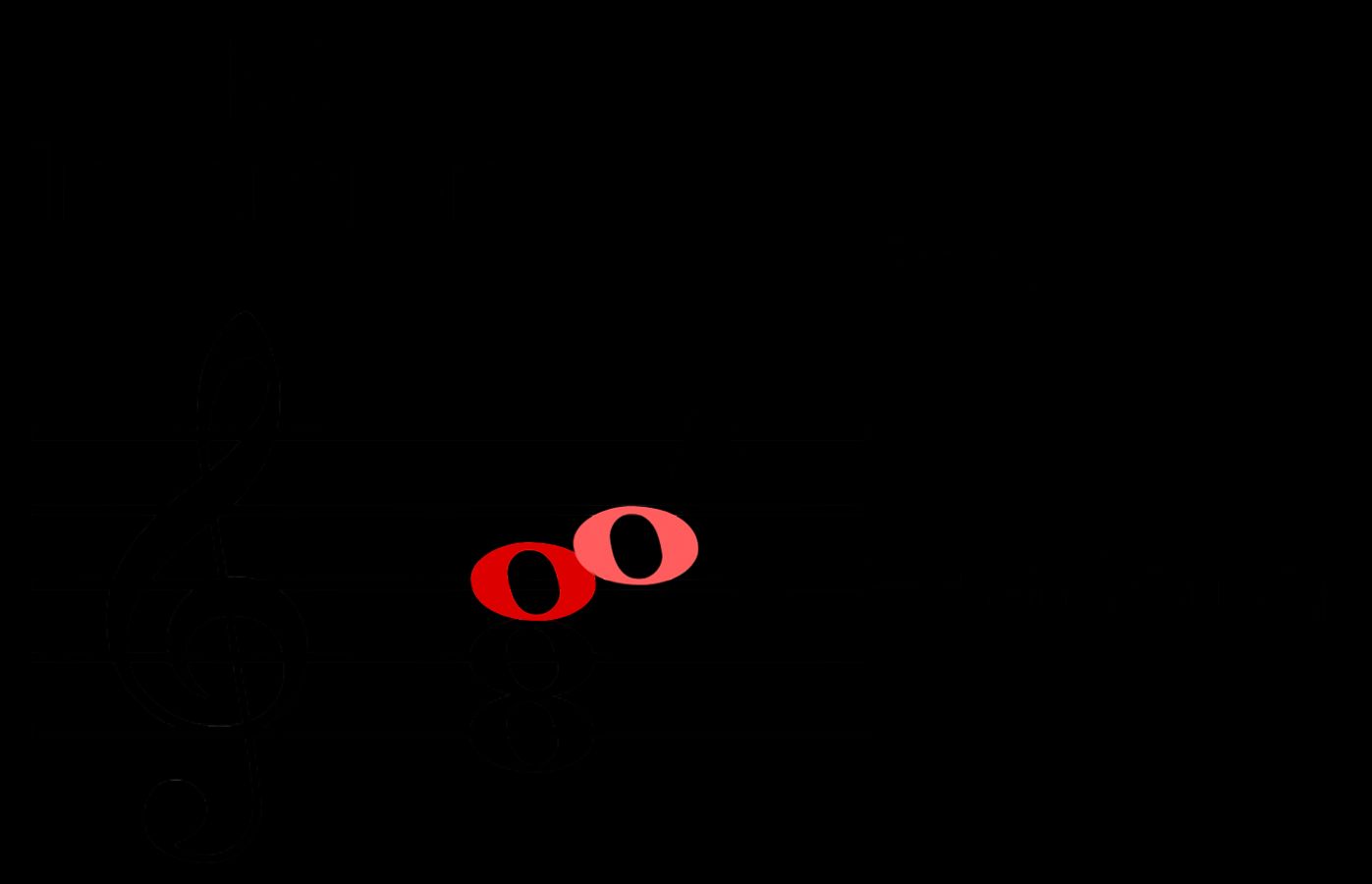
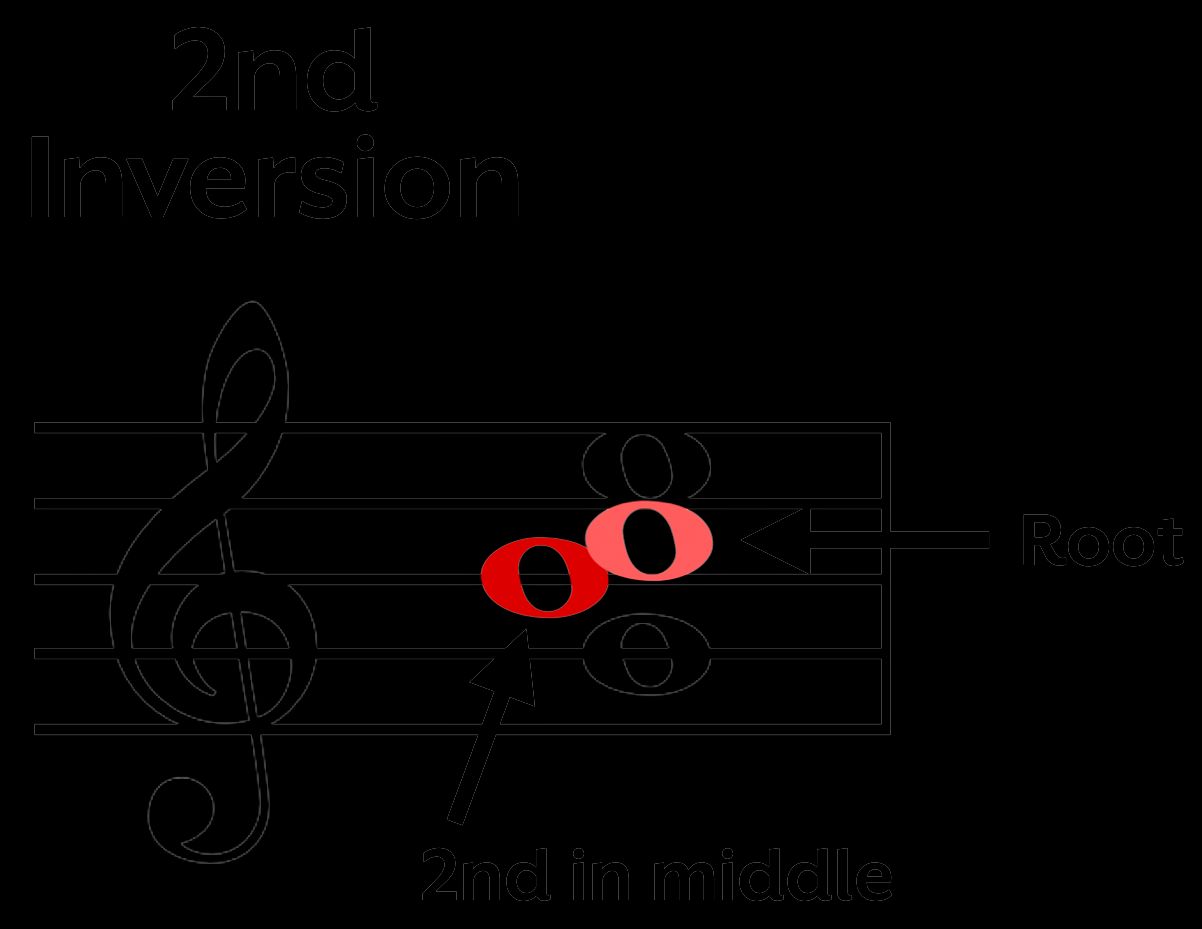
Flip the bass note up an octave again and our chord is now in second inversion. The fifth, G, is in the bass, and the dissonant second is in the middle. Once again, the top note in that second is still the root:
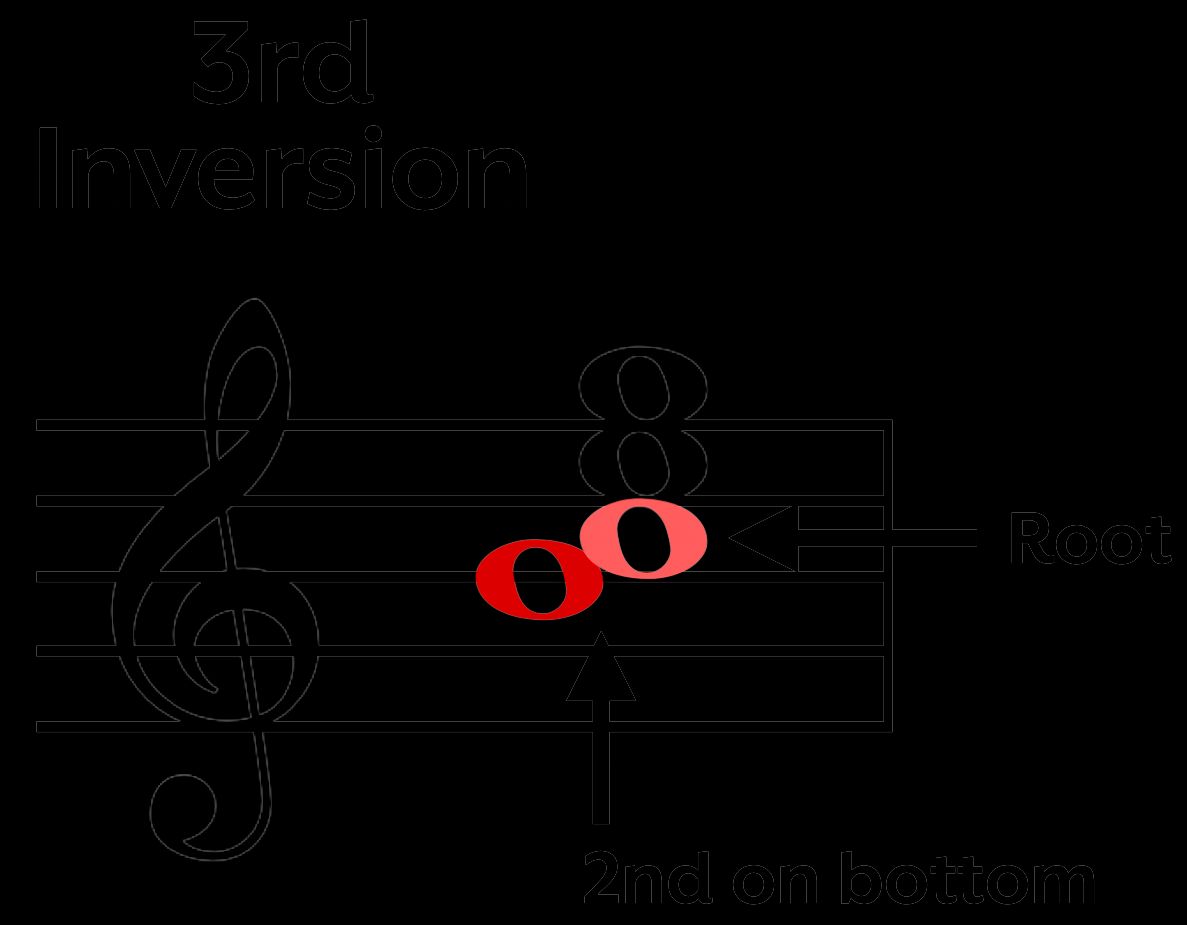
Flip the chord one more time and we’re in third inversion. The seventh, B, is now in the bass, and the dissonant second is at bottom:
Why do pianists use chord inversions?
Stability vs. instability
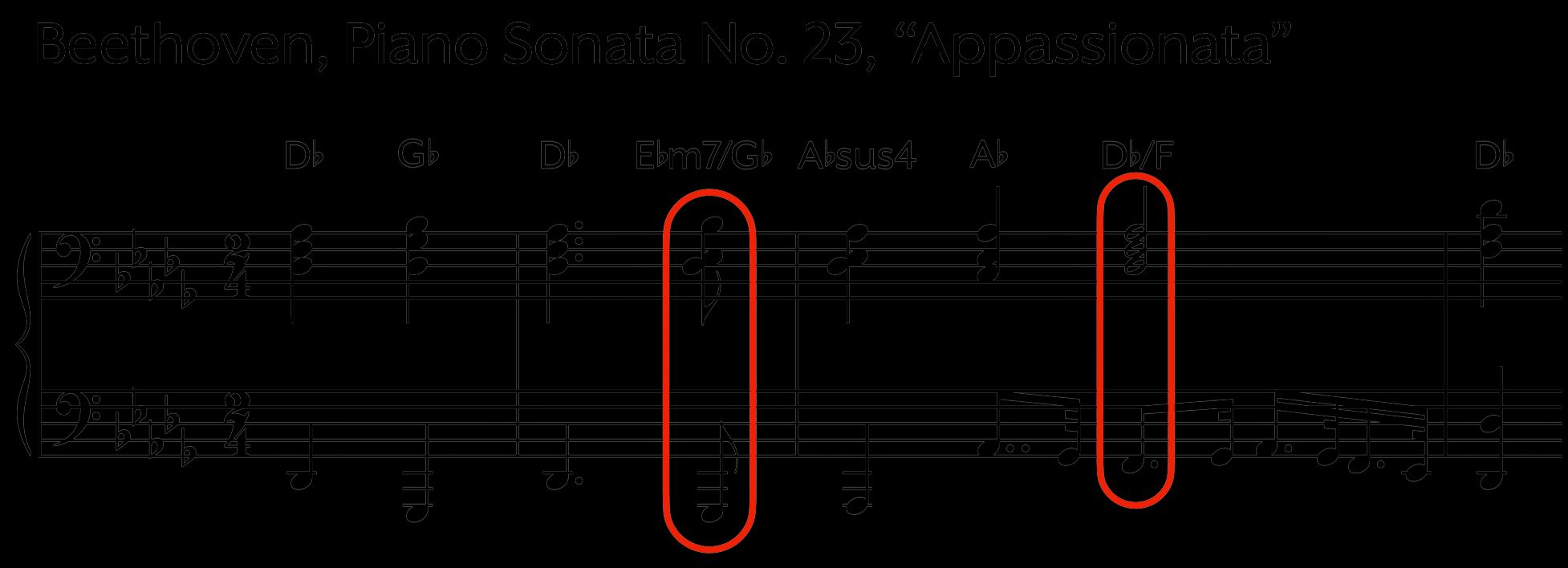
Chords sound their most stable in root position. This is an effective, resolute way to begin or end a piece, but after a while too much stability prevents tension from developing. Having a mix of root-position and inverted chords allows the music to push forward toward a harmonic goal. In Beethoven’s Piano Sonata No. 23, the “Appassionata,” the indicated chords are inverted, and their teetering quality helps move the music toward resolution:
Smooth voice leading and ease of playing
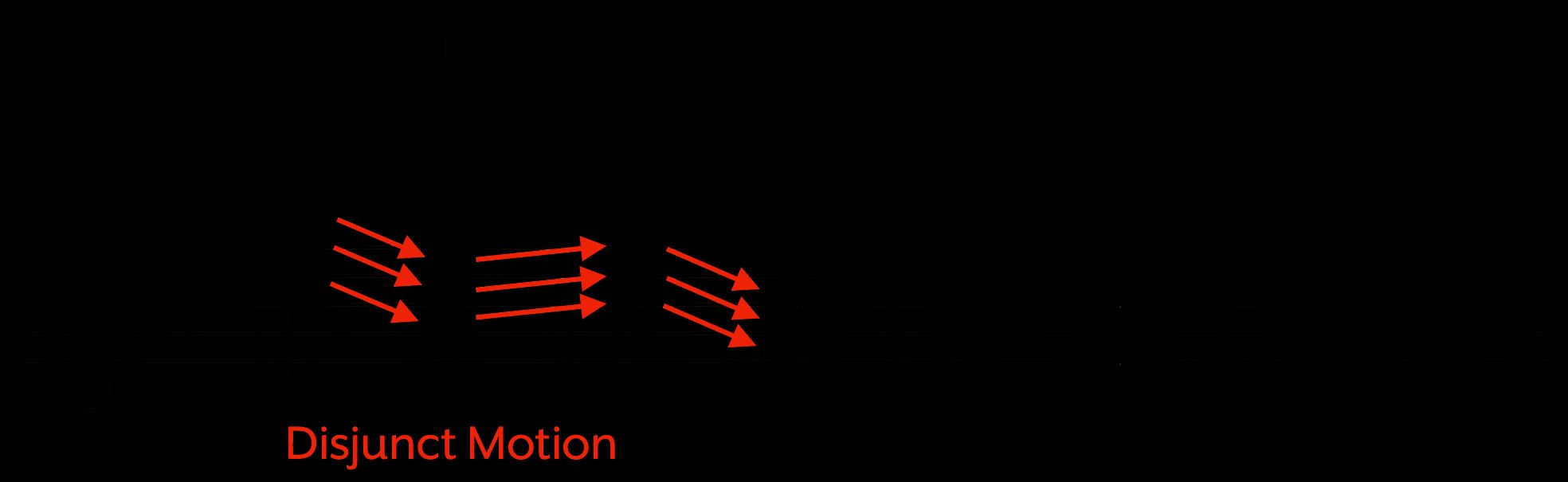
Every note in a chord represents a different voice, which needs to move smoothly into the next chord. This is called voice leading, and, if written well, should have mostly stepwise, or conjunct, motion. If every chord appeared in root position, the notes would jump wildly, causing jagged, disjunct motion:
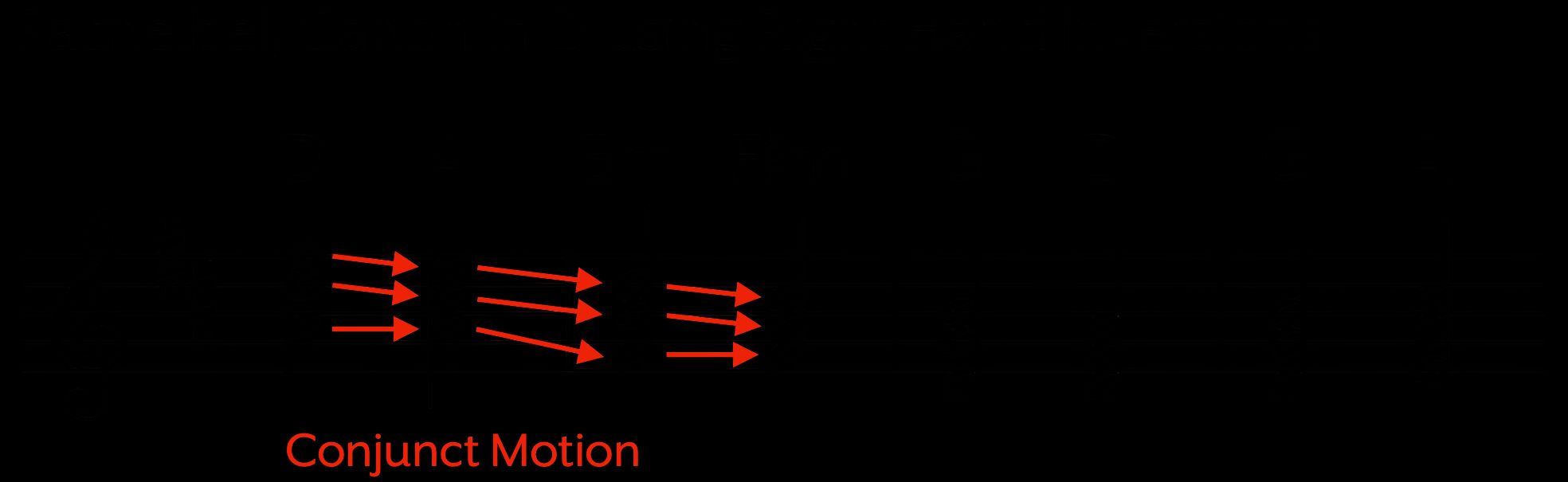
The piano player’s hand also has to leap around to accommodate these root-position chords. However, by using inversions, you can take advantage of common tones: notes shared by different chords. Now the motion is smoother, less drastic, and the hand doesn’t have to move so much between chords:
Try learning Pachelbel’s Canon in D with Mr. Hoffman!
A more melodic bass line
The bass voice is the foundation of the musical texture. By using only root-position chords, we once again get jagged, disjunct voice leading:
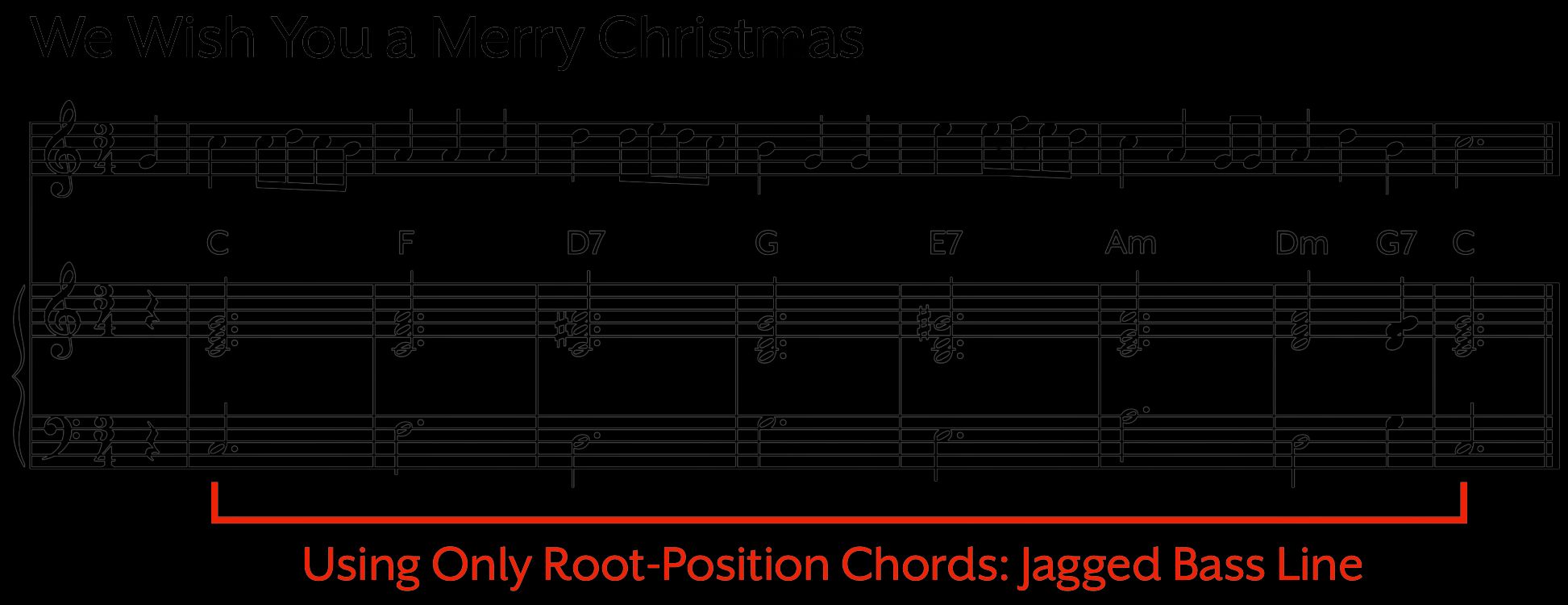
This is because the bass voice always has to leap to the root of each chord. But if we use chord inversions, this permits the bass to have stepwise motion, making it sound more melodic:
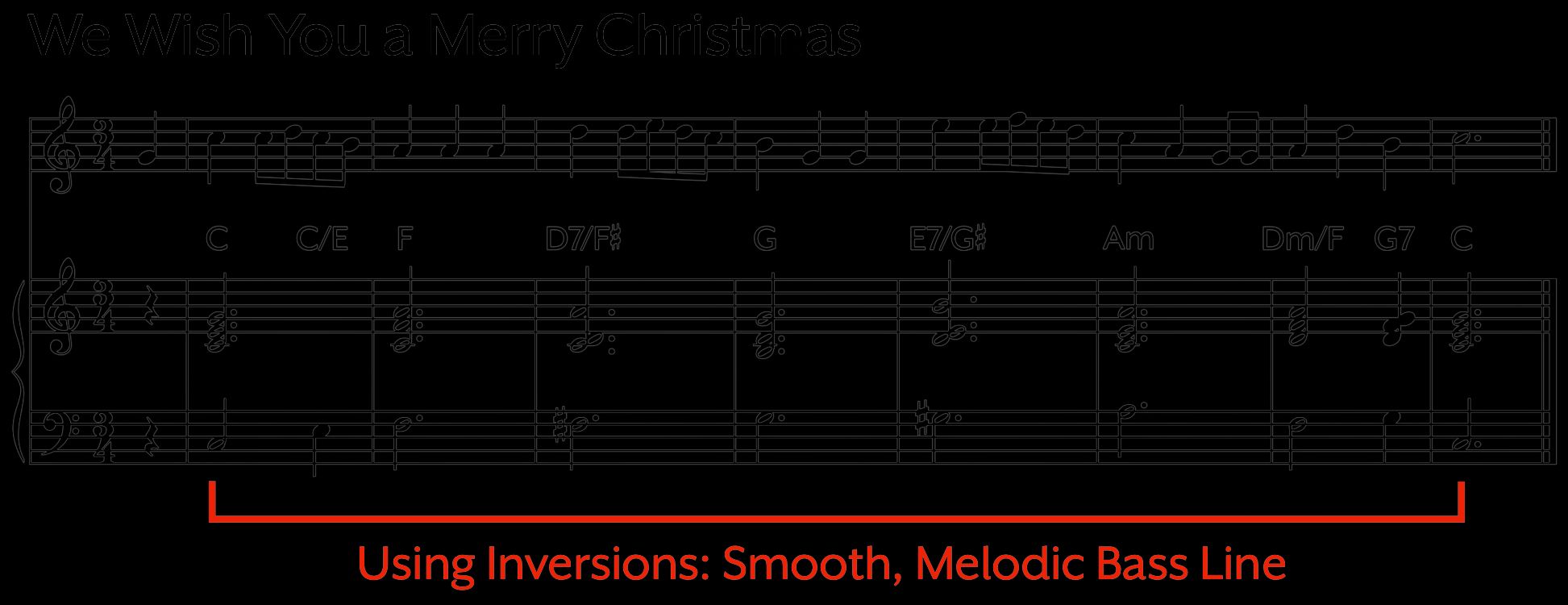
You can also learn We Wish You a Merry Christmas with Mr. Hoffman!

Is there a shorthand for chord inversions?
Yes, both figured bass and chord symbols offer quick ways to recognize if a chord is inverted. Figured bass was first used to help keyboard players improvise in the late Renaissance, and it has since become a tool for harmonic analysis in classical music. Chord symbols are a more modern shorthand, often seen in jazz and pop lead sheets above a melody.
Figured bass
Keyboard parts in Late Renaissance and Baroque music will often show just a bass line with numbers below. These are intervals that the player adds above the bass, and they indicate whether the chords are in root position or inverted:
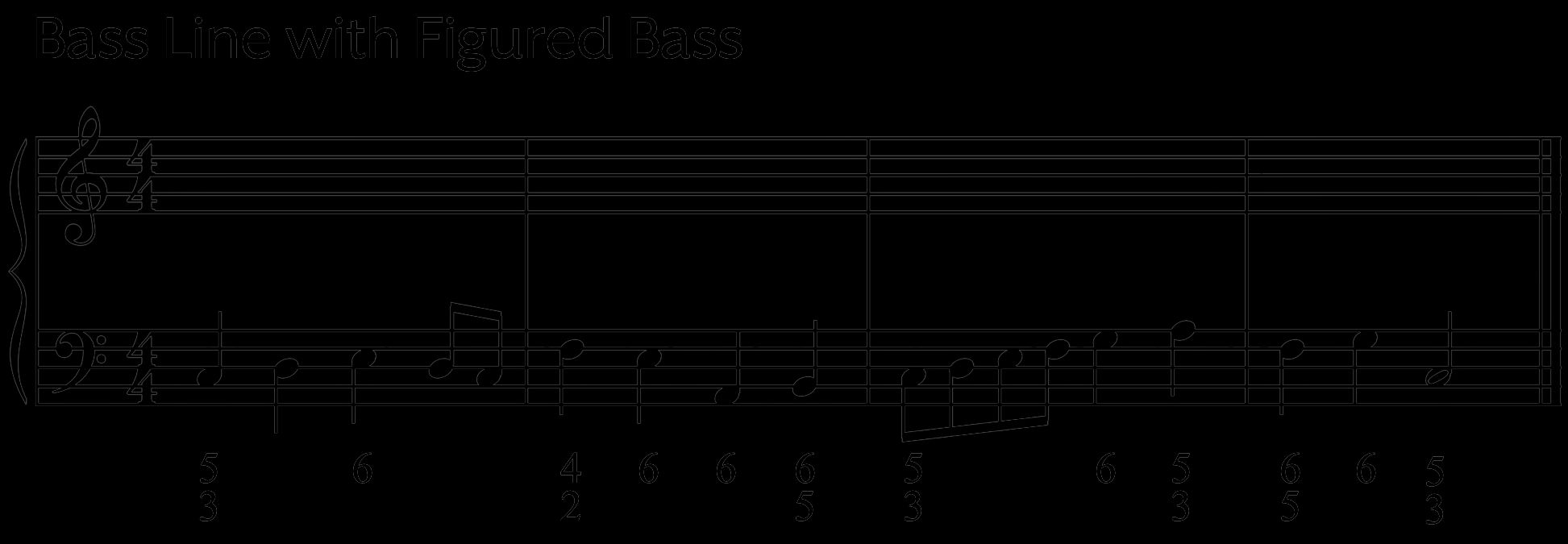
For triads, the numbers are as follows:
- 5/3 means root position.
- 6 means first inversion.
- 6/4 means second inversion.
For seventh chords, you’ll see this:
- 7 or 7/5/3 means root position.
- 6/5 means first inversion.
- 4/3 means second inversion.
- 4/2 means third inversion.
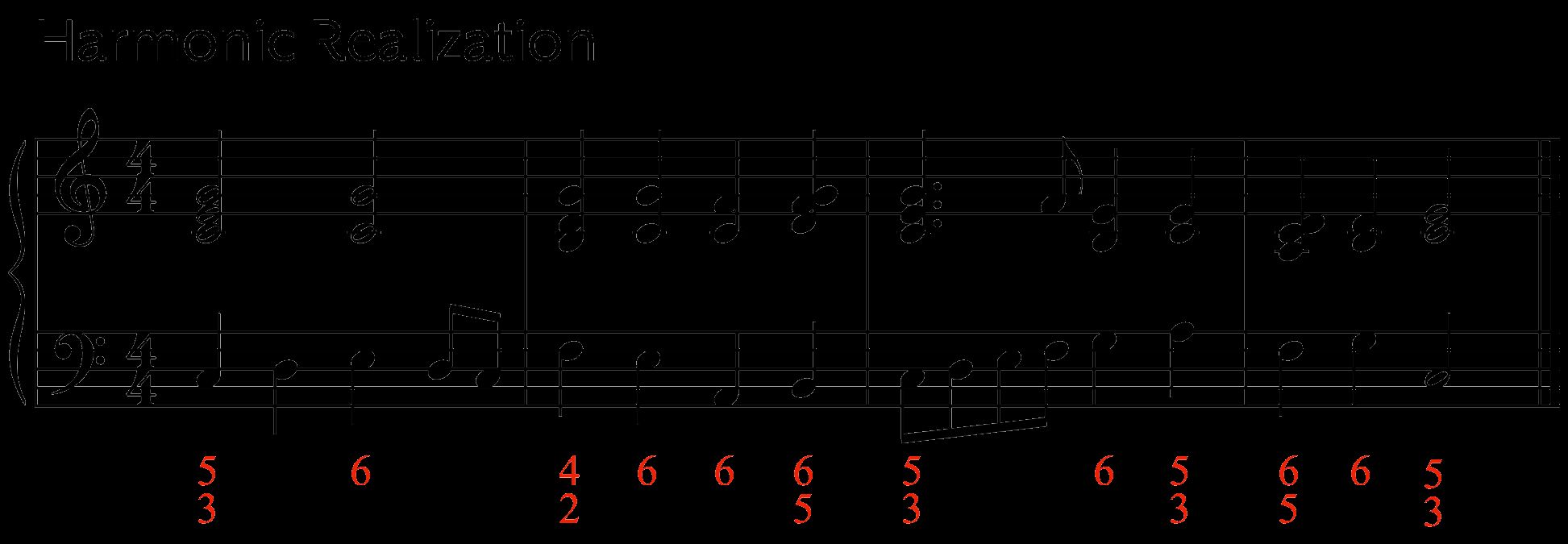
So the written-out harmony for the above bass line will look something like this:
Chord symbols
On modern lead sheets, you’ll see just the melody notated with chord symbols above. If the chord to be added is in root position, only the chord name will show. For inversions, you’ll see a slash after the chord, followed by the name of the note in the bass. The chord symbol for C major in root position will simply say “C.” For first inversion, it will say “C/E,” indicating that the E is in the bass. Finally, you’ll see “C/G” for second inversion because G is now in the bass. Scott Joplin’s The Entertainer could be notated in lead sheet style with chord symbols above:

How do you practice triad inversions?
On the piano, triad inversions are played with certain finger patterns to ensure that the hand fits comfortably over the keys. By memorizing these finger numbers and using them consistently, you can play all major and minor triads in any inversion:
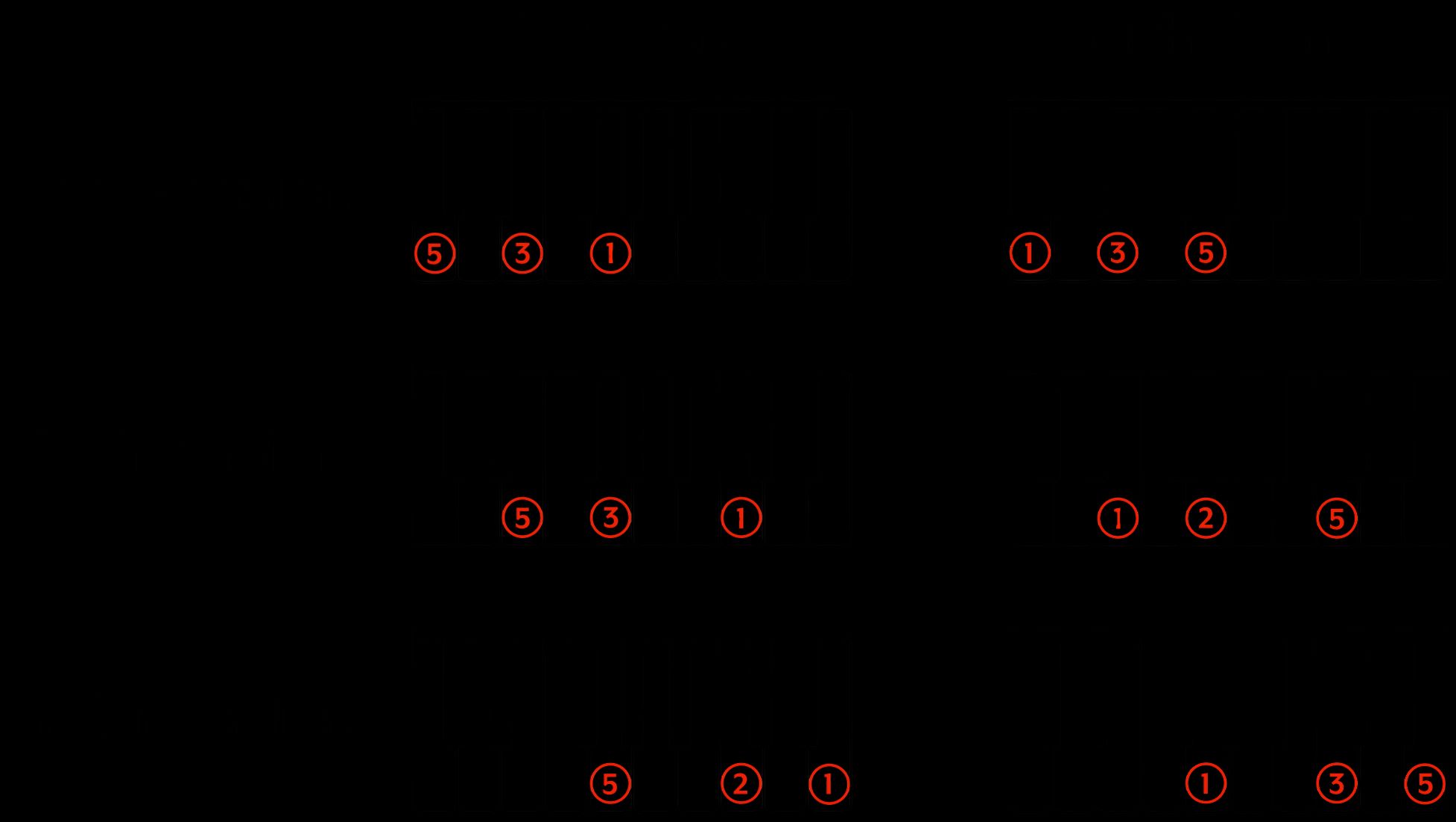
A good shortcut is to notice that all fingerings here use the third finger except first inversion on the right hand and second inversion on the left, which use finger 2.
Making chord inversions work for you
Once you’ve practiced chord inversions on both hands, you’re ready to put them to use and have fun! Let’s make an accompaniment with the chords from Mad World by Tears for Fears. We’ll put the song in the key of G minor. The four triads are G minor, B-flat major, F major, and C major. If the left hand plays all the chords in root position, you’ll have to jump around quite a bit:

But by flipping the B-flat major chord into second inversion and C major into first, the left hand hardly needs to move anymore. The triads are much easier to play, and the voice leading is smooth, with no leaps:

If you’ve already learned the accompaniment for songs like La Cinquantaine, All the Pretty Horses, Dragon Night, or Chumbara, try inverting some of the chords and see if it makes your playing more practical!