


What are piano performances called?
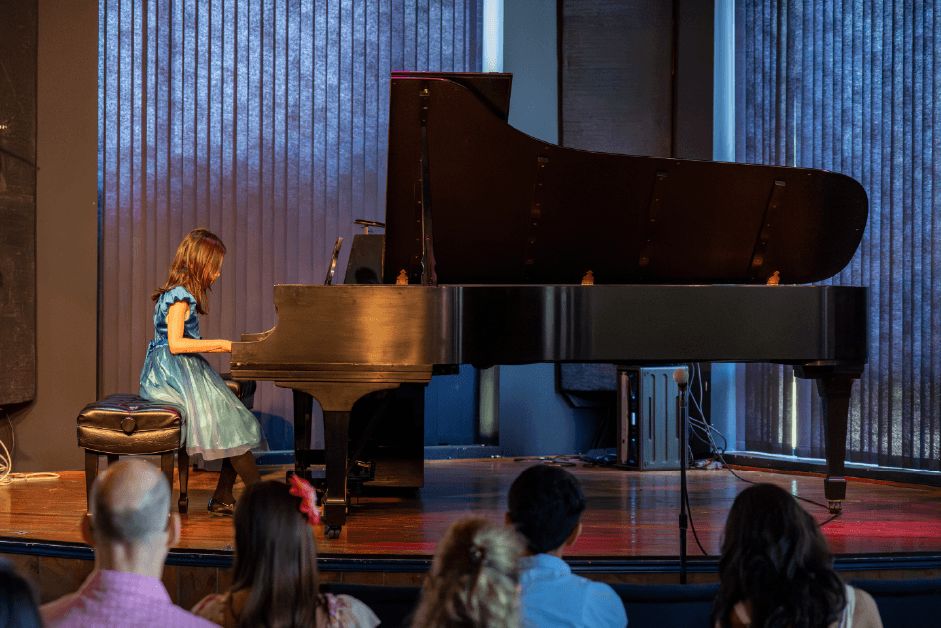
A common name for a piano performance is a recital. Recitals are focused performances in which pianists have the opportunity to showcase their skills and students show off their progress. Recitals can be curated to follow a theme, but it is very common to program different types of music to offer variety to the audience as well as show off the performer’s range. A recital can include one performer or a small group of performers.
Get ready to put together a recital with Hoffman Academy! Discover your piano potential at Hoffman Academy with the world’s best piano learning system.
How do you prepare for a piano performance?
Preparing for a piano performance, especially a recital, is similar to preparing for running a marathon. It takes weeks of preparation beforehand so that you are in the best possible shape both mentally and physically. We recommend following these steps:
- Warm up daily with technical exercises such as Hanon, arpeggios, and scales.
- Practice your music daily for several weeks prior so that it is really worked into your mind and your fingers. This means memorizing the music as well as polishing the technical execution.
- It’s very helpful to practice the performance itself by playing parts of the recital for friends and family. This helps you know what parts are going well and what parts need more review.
- In the days leading up to the recital make sure to get enough sleep and stay hydrated so that your mind and body are functioning at full capacity.
- Lastly, it’s vital to practice healthy self-talk. This step is often overlooked, but it’s one of the most important steps since bad self-talk can cause your anxiety level to rise, which makes a performance unpleasant and can cause significant memory slips.
For more ideas on how to prepare for a piano performance, check out our Piano Recital Prep 101 article.
How do you choose the right pieces for a piano performance?
Choosing the right pieces for a piano recital can be fun and rewarding. Performers get the opportunity to create a theme that the music can follow and choose pieces that vary in style, mood, and tempo.
- Choose music that is appropriate for your age and skill level. It’s okay to try and challenge yourself, but make sure that your goals are realistic so that you don’t overload yourself with music that is too long or too difficult.
- Choose music that creates variety. For example, a Classical era piece (such as Mozart or Beethoven), a Romantic era piece (such as Chopin or Schubert), and a modern piece (could be Yiruma, a jazz tune, a pop song, or music from a film/video game score) would create a short and varied recital. Make sure that if you include a fast piece, also include something slow for contrast.
- Have fun perusing music that you aren’t familiar with as well as music that you already know. There’s a lot of music out there and sometimes performers get stuck doing the same things over and over again. It’s fun to perform lesser-known music too!
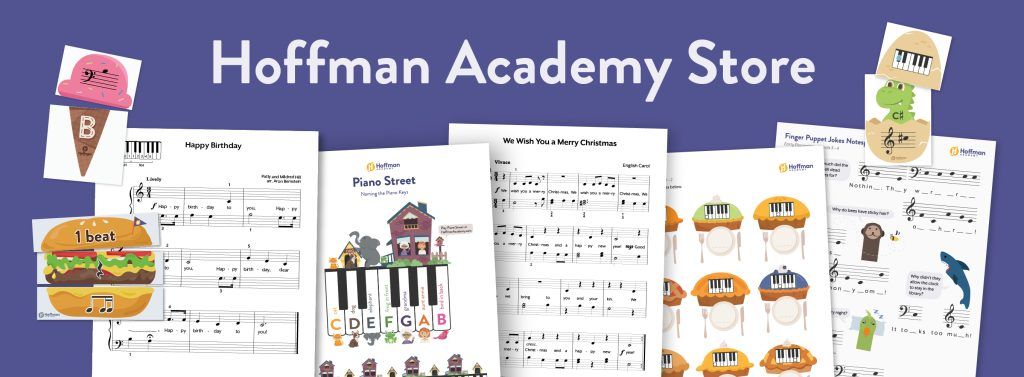
Check out Hoffman Academy’s store for music that you can include in your upcoming piano performance!
How do you memorize music for a piano performance?
To memorize music for a piano performance, practice the piece until you know it inside and out, focus on the most challenging sections, and review the music daily.
- Work each section (maybe just four measures or a phrase) at a time. Start small and make sure to practice with the sheet music at first so that each note and marking gets worked into your fingers and brain.
- Practice without the sheet music. See how much you remember and go back to the sheet music to fill in the gaps.
- Keep practicing this way until that section is memorized.
- Continue this way of practicing throughout the piece. Don’t practice doing this with the entire piece in one day; instead, set a goal of a group of sections (maybe a page) for one day and then move on to the next the following day.
Once you’ve done this, it’s time to test your memorization. For true memorization that doesn’t fail you in performance, it’s important to structure your memorization practice in a way that reinforces your visual memory, aural memory, and tactile memory.
Visual memory
What is the sheet music telling you? Here are some starting questions to know the answers to as you memorize.
- Check the time signature, key signature, and tempo. Are there places in the piece where any of these change?
- Are there difficult scalar or arpeggiated passages? What are the fingerings for these?
- What is the form of the piece? Are there places where the music repeats?
Aural memory
Listen to a recording of the piece to help you memorize the way it should sound. What is your ear telling you when you listen?
Tactile memory
What are your fingers telling you? This is also called muscle memory, which is usually the first type of memory to solidify, but it’s also the easiest to forget. Tactile memory needs to be supported by the knowledge gained through visual and aural memory in order to truly be effective.
- Have you practiced this every day?
- Can you play the most challenging sections without looking at the music? Are those sections clean and easy to execute?
- When playing without the sheet music, do you need to start at the beginning of each section or can you begin anywhere? This is a crucial part to truly knowing the piece inside and out.
- Are you able to play hands separately by memory?
What should you do on the day of a piano performance?
On the day of your performance, it’s important to prepare your mind and your body. Create a routine that puts you in the best mindset possible. For example, I like to start the morning with some calming tea or another calming beverage. I might do some yoga/stretch, read, go on a quiet walk, or do something else really relaxing. It’s also good to start all of your recital pieces, but it’s important not to run everything and stress yourself out over mistakes. The important thing is to center yourself and take your day easy!
What are the key elements of a successful piano performance?
The key elements of a successful performance include staying focused, giving yourself grace through mistakes, and enjoying yourself. We do music because it’s fun and beautiful, NOT to be perfect.
What are some common challenges faced by piano performers?
Some of the most common challenges that pianists face include performance anxiety, perfectionism and frustration, physical tension, and/or repetitive stress issues.
To deal with performance anxiety, perfectionism, and frustration, I recommend healthy self-talk, practicing daily without over-practicing to the point of frustration, focusing on the most difficult sections and identifying what you are doing well (in addition to the issues that need improvement), and having fun. Remember that you play music to have fun, so don’t let anxiety and frustration take center stage. For more help, read our blog article on Overcoming the Fear of Mistakes.
For physical tension, take time to relax and check your piano posture. Physical tension keeps you from being able to play quickly, and it’s one of the #1 things that can hold a pianist back from playing their best.
If you’re experiencing repetitive stress issues, you may want to talk to a doctor or therapist. Make sure your practice sessions are not too long. Also, warm up with gentle stretching exercises and make sure you relax your hands as you play.
How do you deal with piano performance anxiety?
One way that a pianist can deal with performance anxiety includes healthy self-talk. This means focusing on the positive aspects of your practice and performance rather than the negative aspects. A great resource to get you started on this is our blog article The Art of Fearless Performing.
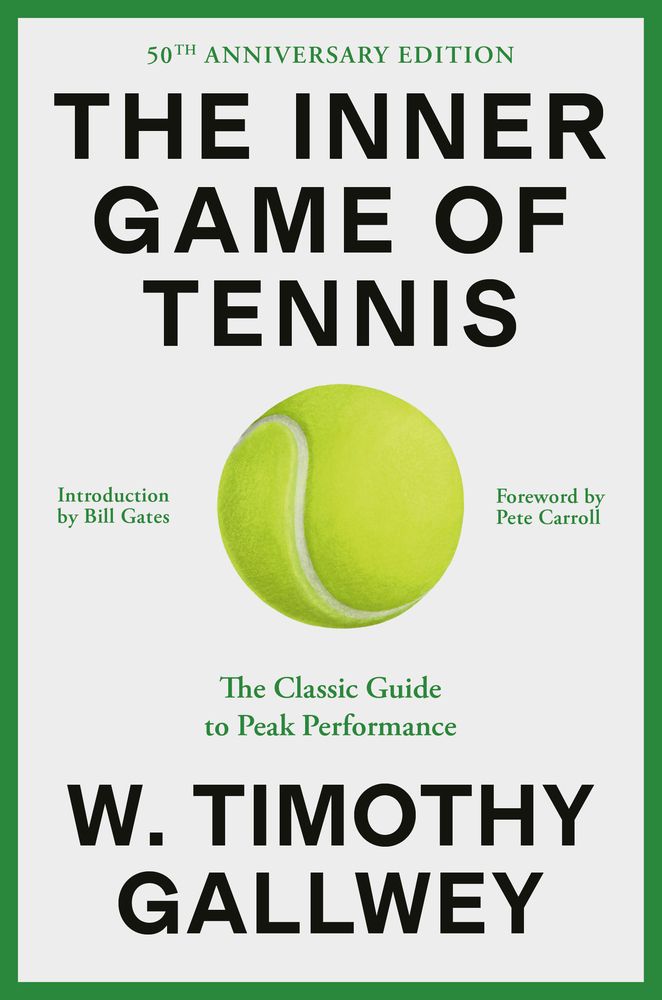
Two other great resources are The Inner Game of Tennis by W. Timothy Gallwey and The Inner Game of Music by W. Timothy Gallwey & Barry Green. Many of my musician colleagues, teachers, and students have used these books because they outline performance anxiety and perfectionism and effectively present ways to deal with them. This is done by focusing on non-judgmental observation during practice and performance. The Inner Game of Tennis was written for tennis players, but its techniques are very useful for musicians as well.
What are some tips for improving piano performance skills?
The greatest tip for improving your piano performance skills is always to practice consistently and focus on quality of practice over quantity. It’s more important to focus during your practice sessions and accomplish something than to practice for a long period of time, tire yourself out, and create more frustration.
What are the career options for piano performers?
There are many career options for pianists. These could lead to a performance career or they could lead to other careers within music. Below you’ll find a few careers that pianists have available to them:
- Education: Teaching private piano lessons or group piano lessons, teaching public/private school, teaching at a collegiate level, or developing online music programs and/or software.
- Church Music: Serving as a church music director, an organist/pianist, and/or as a conductor.
- Public Performance: Performing as a soloist or within an ensemble. These could be in jazz, classical, popular, or any other music genre. Another option is to perform as a conductor and direct an ensemble, such as an orchestra, choir, or wind band.
- Composing/Arranging: Writing and/or arranging music for an ensemble, for film, for video games, or other projects.
Music is an important, fun, and fulfilling career to enter, but it’s often not a well-paid career. If you are serious about entering the music industry or are considering it, please consider this fact and make sure that it’s the right choice for you.
Ready to shine at your next piano performance
You are now ready to prepare for your next piano performance. We at Hoffman Academy had a lot of fun writing this article for you and hope that we provided you with the tools that you need to be successful as a pianist, whether that’s for fun or professionally. As always, happy playing!