





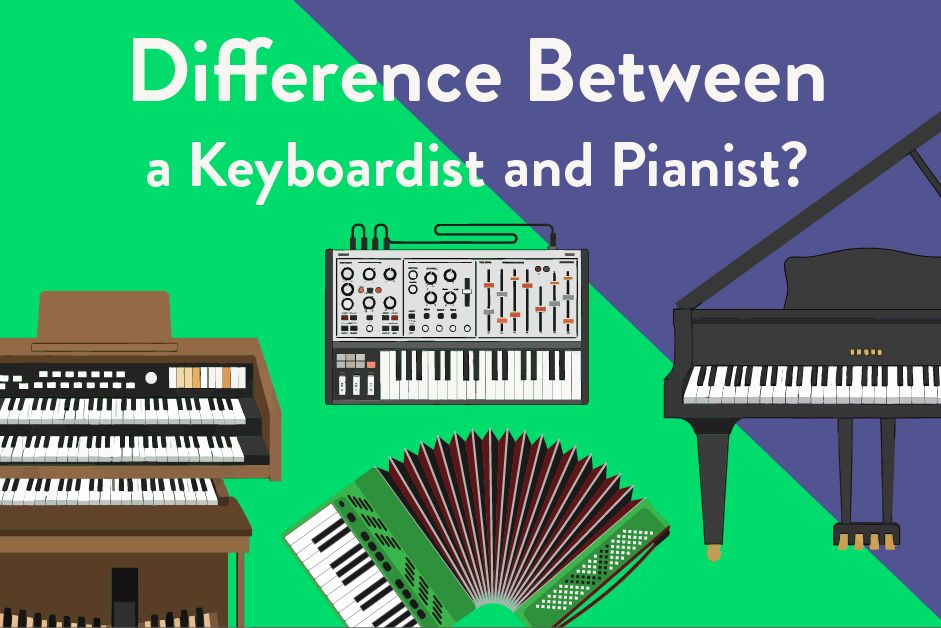
In music, there are quite a few terms that seem to be similar and yet have very different meanings. In this article, we will compare and contrast the terms “keyboardist” and “pianist.” Do they mean the same thing? The answer is no – a pianist is a type of keyboardist, but a pianist is not a true keyboardist. Confusing? No worries! Read on to learn more about the similarities and nuances of these two terms.
Learn piano with Hoffman Academy! Discover your piano potential at Hoffman Academy with the world’s best piano learning system.
What is the difference between a pianist and a keyboardist?
“Can a keyboardist play a piano?” “Are you a pianist if you play keyboard?” These are questions that people learning the piano often ask because the term “keyboard” can be used in very different ways. A keyboard can refer to the following:
- An electronic keyboard, which is basically an electric piano with other sound settings.
- The literal keyboard on the piano itself, or the place that the keys are located.
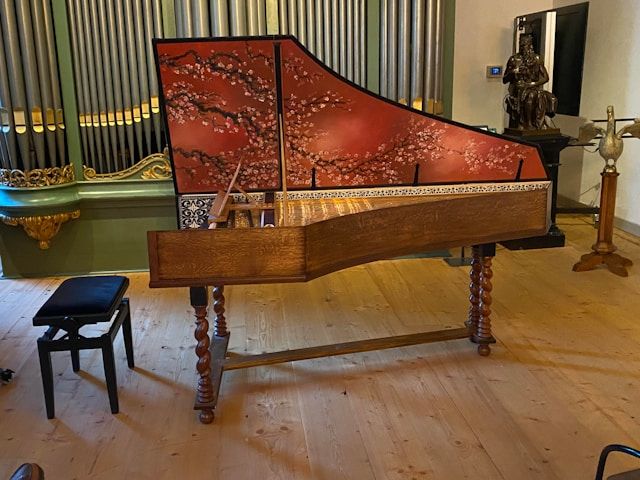
- Keyboard instruments, which is a group of musical instruments that contain a keyboard. These instruments include the piano, organ, accordion, clavichord, harpsichord, carillon, celeste, varying electronic keyboards, synthesizer, and others.
Knowing how to play one keyboard instrument doesn’t always mean that you can play another. To be a true “keyboardist” you would need to master a few of these different instruments. A keyboardist and pianist may share some overlapping skills, but their training paths are not always the same. Pianists can play an electronic keyboard because this kind of keyboard is basically built to replicate an acoustic piano. An electronic keyboard contains some extra bells and whistles, such as electronic sound samples that can cause it to sound like a violin or organ. So, if you’ve learned on a piano you can easily play an electronic keyboard, and if you’ve learned on an electronic keyboard, you’re basically a pianist, but not really a true keyboardist.
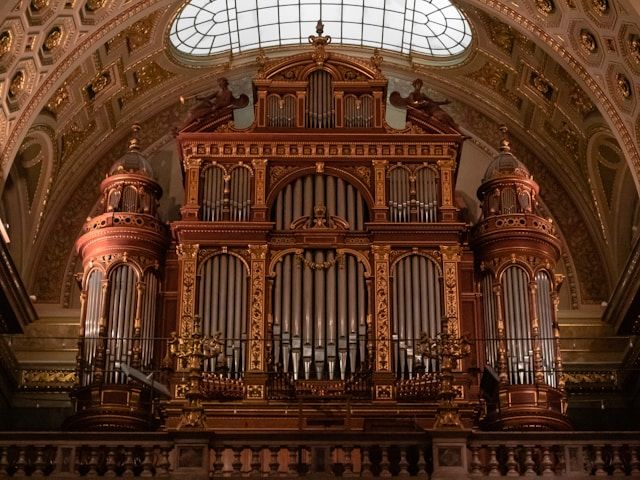
A pianist can’t just hop on an organ and expect to play it without quite a few organ-specific lessons and a lot of concentrated practice. Organs have two, three, or sometimes even four or five manuals, which is another term for the keyboard where the keys are located. An organ may have hundreds of stops that change which pipes create the sound and also change the sound itself. The biggest difference between a piano and an organ is that organs have a pedalboard, which is a keyboard that must be played with your feet. Likewise, an organist can’t just hop on the piano without piano-specific lessons and concentrated practice. In a similar manner, a pianist or organist can’t pick up an accordion and expect to play it without accordion-specific lessons and practice. An accordionist must play a keyboard with one hand, buttons with the other hand, and simultaneously pump the instrument to sustain the flow of air, which causes the sound. A carillon is played with your fists, which is a very different way to approach a keyboard instrument. As you can see, there are many different keyboard instruments which are played in very different ways.
Is a piano harder to play than an electronic keyboard?
As long as the electronic keyboard is of good quality, has 88 weighted keys, and has pedals, playing an acoustic piano and an electronic keyboard is basically the same. They will feel physically different because a piano contains mechanical components that cause strings to vibrate and create sound while an electronic keyboard contains electronic components that mimic the sound of a piano. The way these components move can be felt through your fingers. Playing some modern and contemporary pieces requires a grand piano because you must play the strings inside the piano through the act of plucking or stroking them, which you can not do with an electronic keyboard or even an upright acoustic piano.
Is it better to learn piano or keyboard?
If you are asking about learning on an acoustic piano versus an electronic keyboard, it doesn’t matter which instrument you learn on as long as the instrument is of good quality, since electronic piano keyboards are designed to mimic the acoustic piano. If you are asking about learning piano versus a different keyboard instrument such as an organ, harpsichord, accordion, or other, it is best to learn on the instrument that interests you most.
Should a beginner buy a piano or keyboard?
A beginner should buy an instrument that supports their goals and interests, but they should also make sure they buy a good quality instrument. If you are investing in a piano or electronic keyboard instrument, check out these articles for more information on buying a good quality and reasonably priced instrument:
- Choosing a Piano or Keyboard
- Best Starter Pianos
- Five Best Digital Pianos Under $1,000
- How Much Does a Piano Cost?
- How to Shop for a Piano
- Where to Buy a Piano
- Best Digital Pianos with Weighted Keys for Beginners
Do pianists and keyboardists train differently?
Pianists who learn on electronic keyboards train the same way that a pianist learning on an acoustic piano would train. Pianists do not train in the same way as other keyboardists, such as organists, accordionists, and synthesizer players. Learners of different types of keyboards must learn about the unique features and techniques needed for their particular instrument.
How do touch and technique differ between piano and keyboard?
Every instrument is different. Not every acoustic piano feels the same. Some have a light touch, meaning that the keys go down easily, and some have a heavier touch, meaning that the keys require more weight in order to create a sound. This applies to electronic keyboards and other types of keyboards as well. The weight and feel of the keys has a lot to do with the manufacturer and how the instrument was made. The technique required to play an acoustic piano and electronic keyboard are the same, however it does take a little time to feel comfortable with different individual instruments because they do tend to feel different. It’s important to give yourself grace and time to adapt when you move from one piano to another or from an electronic keyboard to an acoustic piano.
No matter what you play, keep learning and exploring
If you plan on becoming a pianist, you can learn on either an acoustic piano or electronic keyboard, just make sure to invest in good quality instruments. If you’d like to learn to become a true keyboardist, take some organ lessons or harpsichord lessons in addition to your piano lessons. Whether you choose to become a true keyboardist and pianist or focus on just one instrument, it’s important to keep learning, exploring, and having fun, because that is what music is all about!