


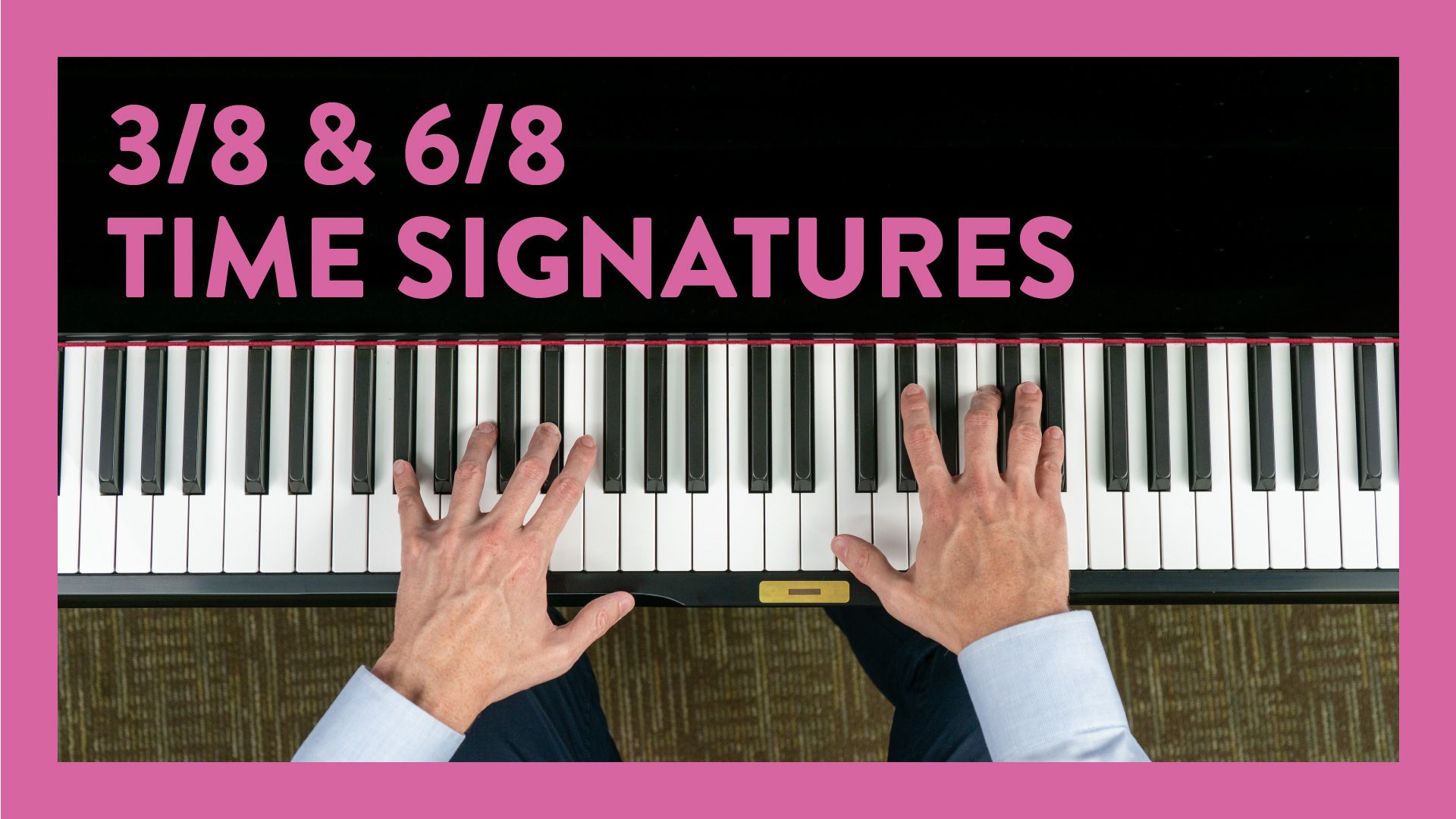
From rocking lullabies to fast tarantellas, the 6/8 time signature lends a unique feel to some of the most famous music ever written. Listen to the galloping strides from the finale of the Horn Trio, Op. 40 by Johannes Brahms. No other type of meter could express a more vivid sense of hunting through a forest on horseback. Let’s enjoy some pieces that use the 6/8 time signature, and find out why this rhythm makes it so hard for the listener to sit still.
Learn all about the various time signatures in music with our handy reference guide!
What is the 6/8 time signature?
The 6/8 time signature is a common example of compound meter. Each basic beat is divided into three notes, and, since there are two main beats per measure, 6/8 is compound duple meter:
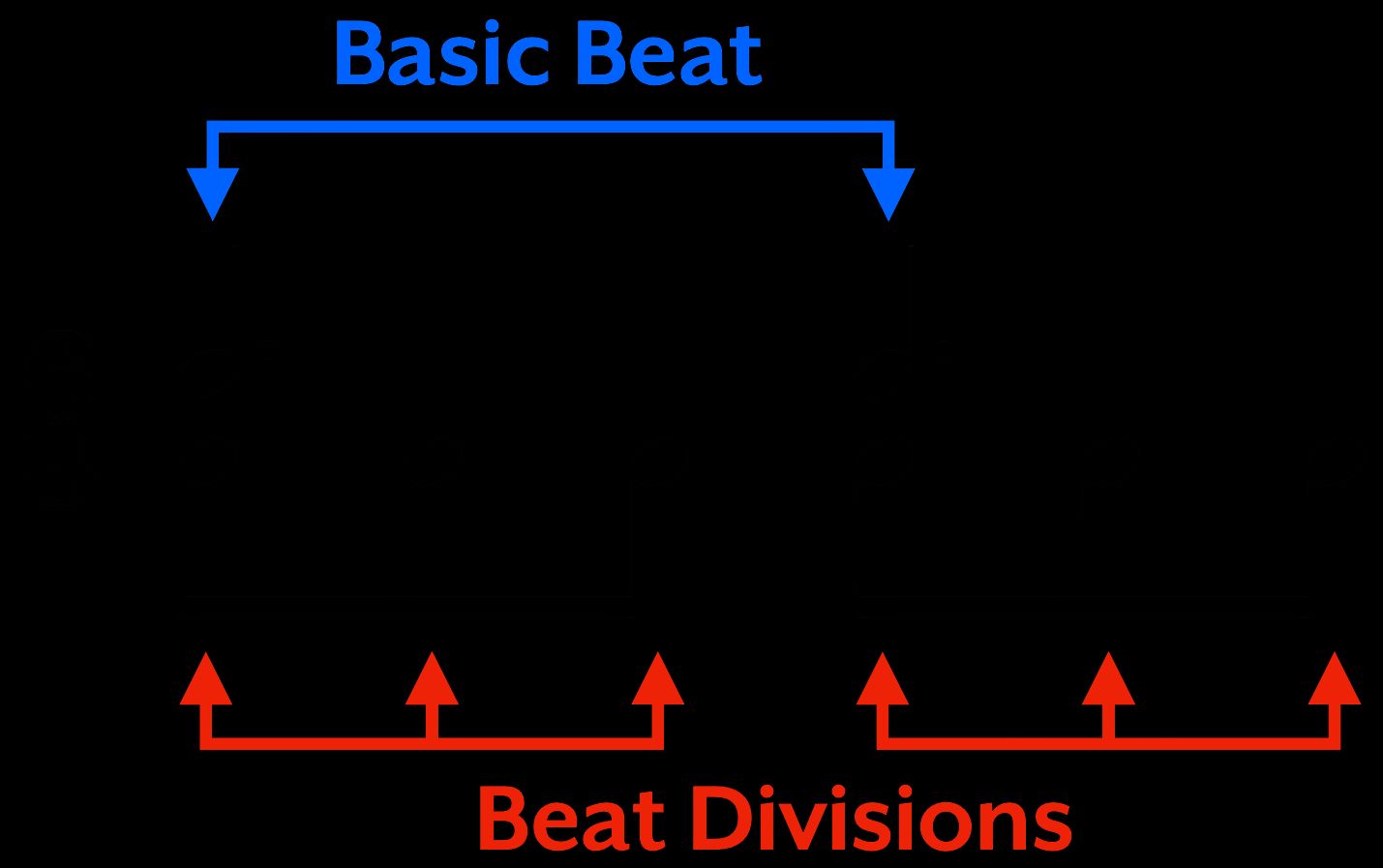
You can see that there are two basic dotted quarter note beats, and that they each divide into three eighth notes. You’ve also probably noticed that the time signature doesn’t make much sense here. It seems to imply six beats per measure, with the eighth note as the beat unit, but this isn’t the case.
Simple meter time signatures like 2/4 are more straightforward, and show the beat unit on the bottom and the number of beats per measure on top. But compound time signatures like 6/8 instead show the note value each beat is divided into on the bottom, and the number of these beat divisions per measure on top:
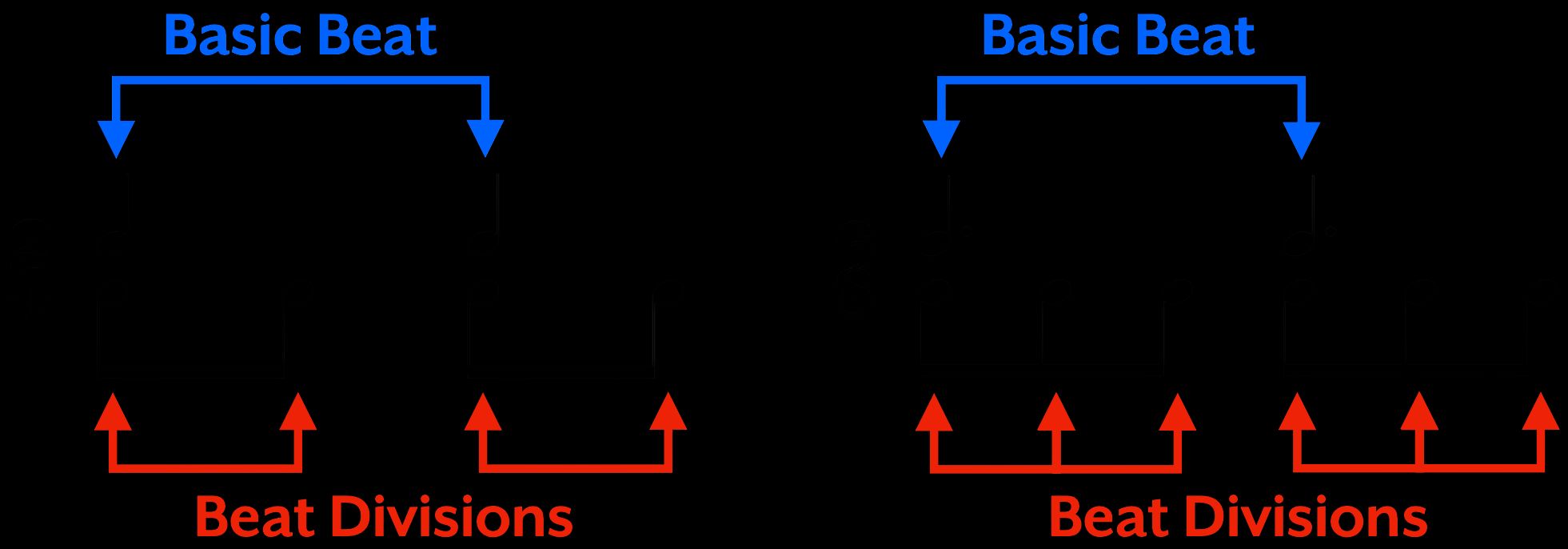
So it would be more sensible to have the top number be 2, since 6/8 is really duple meter, with two beats per measure. The problem is the beat unit; there is no single number to represent a dotted quarter note. Even though a more accurate time signature would say…
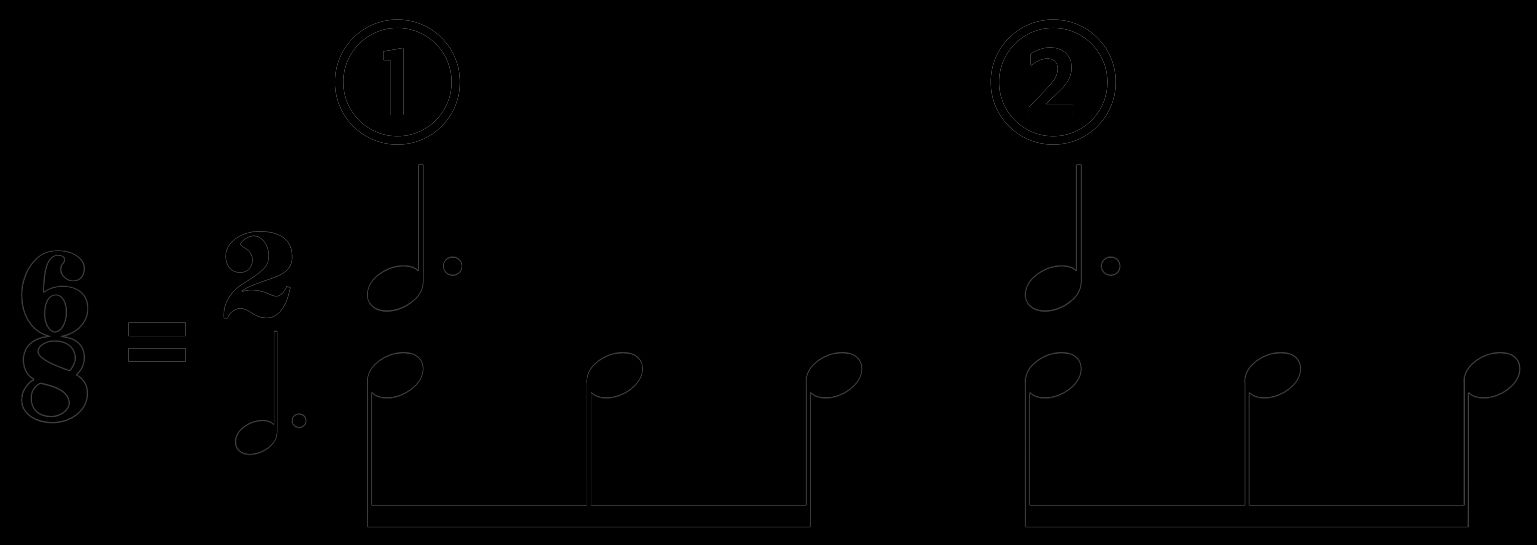
…we simply don’t write it this way, and instead write 6/8. This is just an old convention that’s still in use, and we can easily clear up the confusion by remembering that 6/8 really means two beats per measure with the dotted quarter note as the beat.
There are many more time signatures to learn about here!
How to read and count in 6/8 time
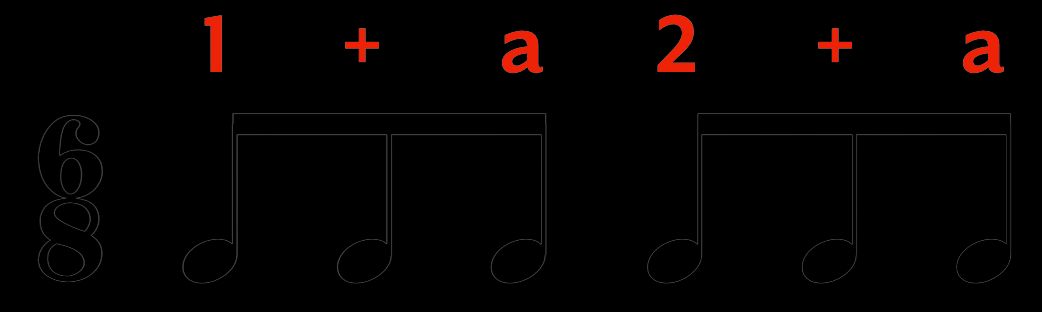
In 6/8 time, each of the six eighth notes receives a counting syllable, with the first and fourth of these falling on the main beat. Remember: the eighth notes are beat divisions, and the main beats are dotted quarter notes. So the counting system is “ONE – and – a – TWO – and – a.”
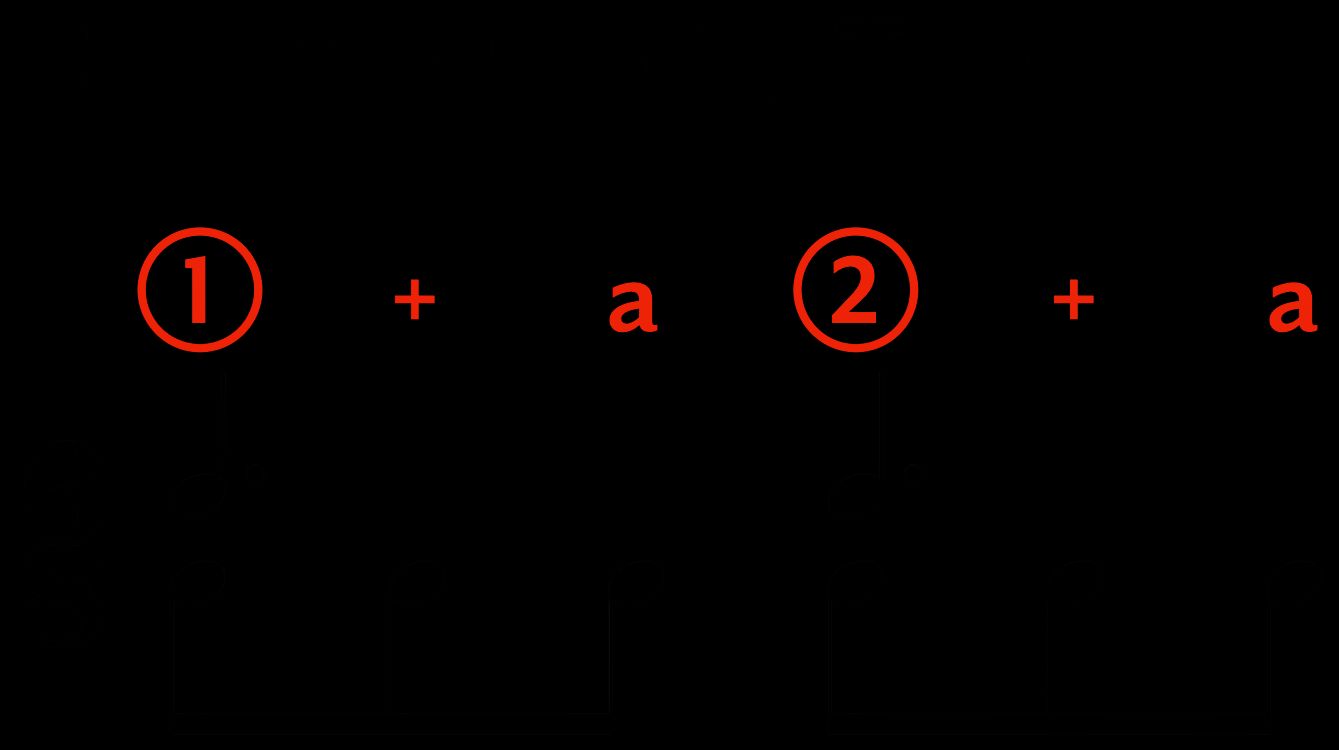
Be sure to emphasize the main beats when counting out loud. You may notice a rocking, swaying feel to the rhythm. This is a common effect of music in 6/8 time.
You can learn more about how to count 6/8 time with Mr. Hoffman in Unit 9.
What is the value of notes in 6/8 time?
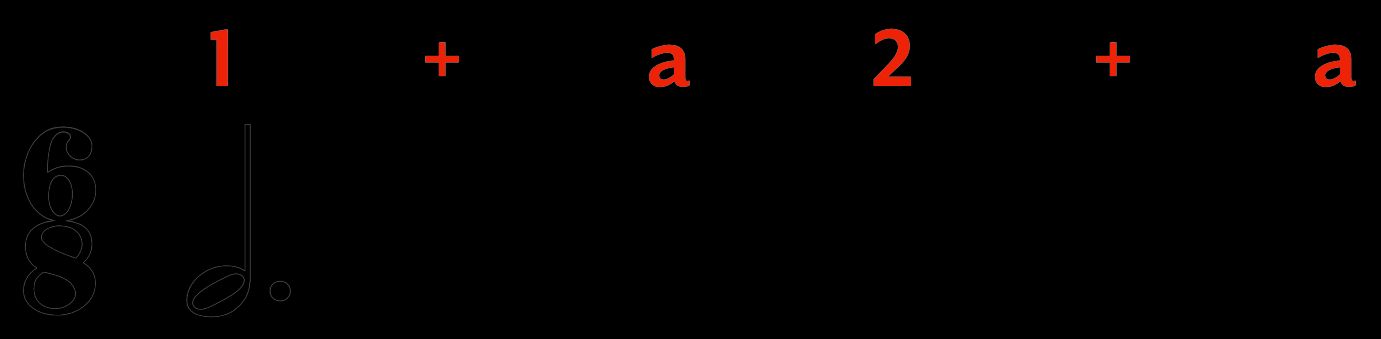
The longest note value possible in a measure of 6/8 is the dotted half note, which lasts for two full beats, and therefore takes up the entire measure. It will be counted as “ONE – and – a – TWO – and – a.”
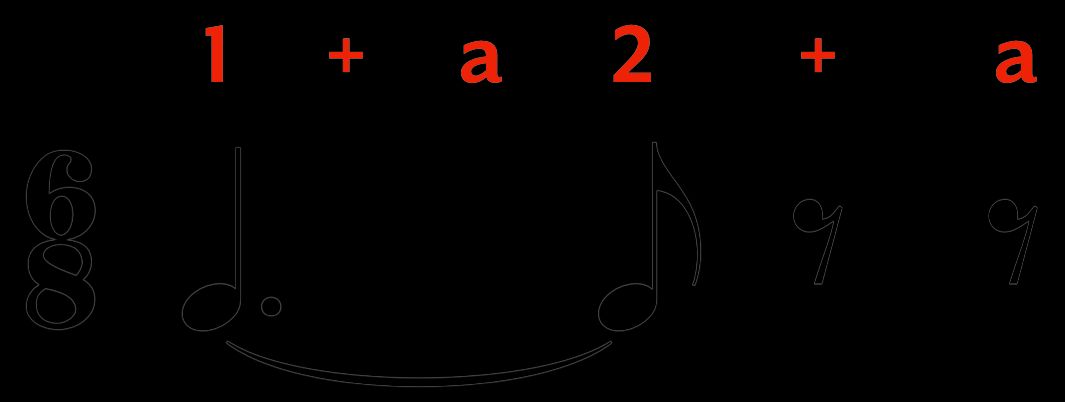
A normal half note is also possible, but it must be notated as a dotted quarter tied to an eighth in order to clearly show the beat. You’ll count “ONE – and – a – TWO.”
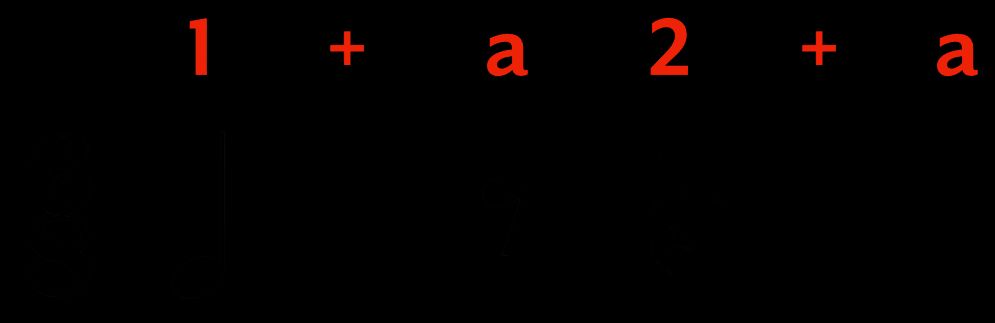
As we’ve seen, the dotted quarter note is the main beat unit, and takes up half of the measure. Count “ONE – and – a.”

A normal quarter note lasts for two-thirds of a beat, and is counted as “ONE – and.” Notice that this stops short of the final eighth note in that beat, the “a.”
Then we have the eighth note, which lasts for just one-third of a beat. Six eighth notes are possible in a full measure:
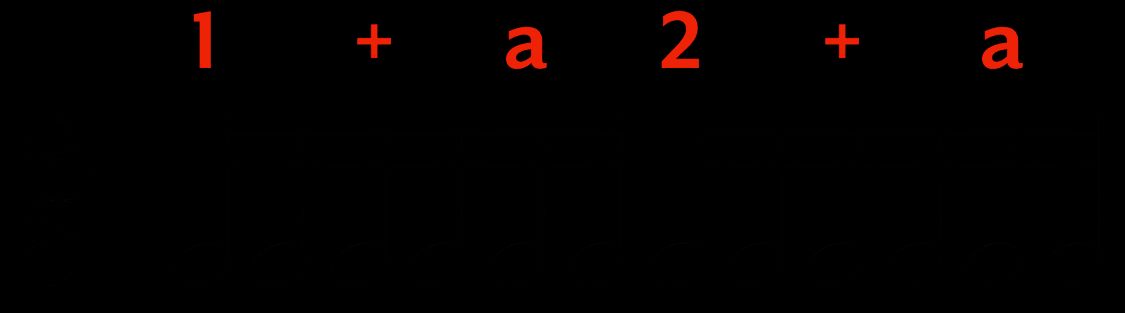
When the eighth notes themselves are subdivided into sixteenth notes, twelve of these can be played in a single measure:
Are 6/8 and 3/4 the same time signature?
6/8 and 3/4 are not at all the same time signature! 6/8 is compound duple meter, with two dotted quarter note beats per measure, each divided into three eighth notes. By contrast, 3/4 is simple triple meter: three quarter note beats in a measure, each divided into two eighth notes:

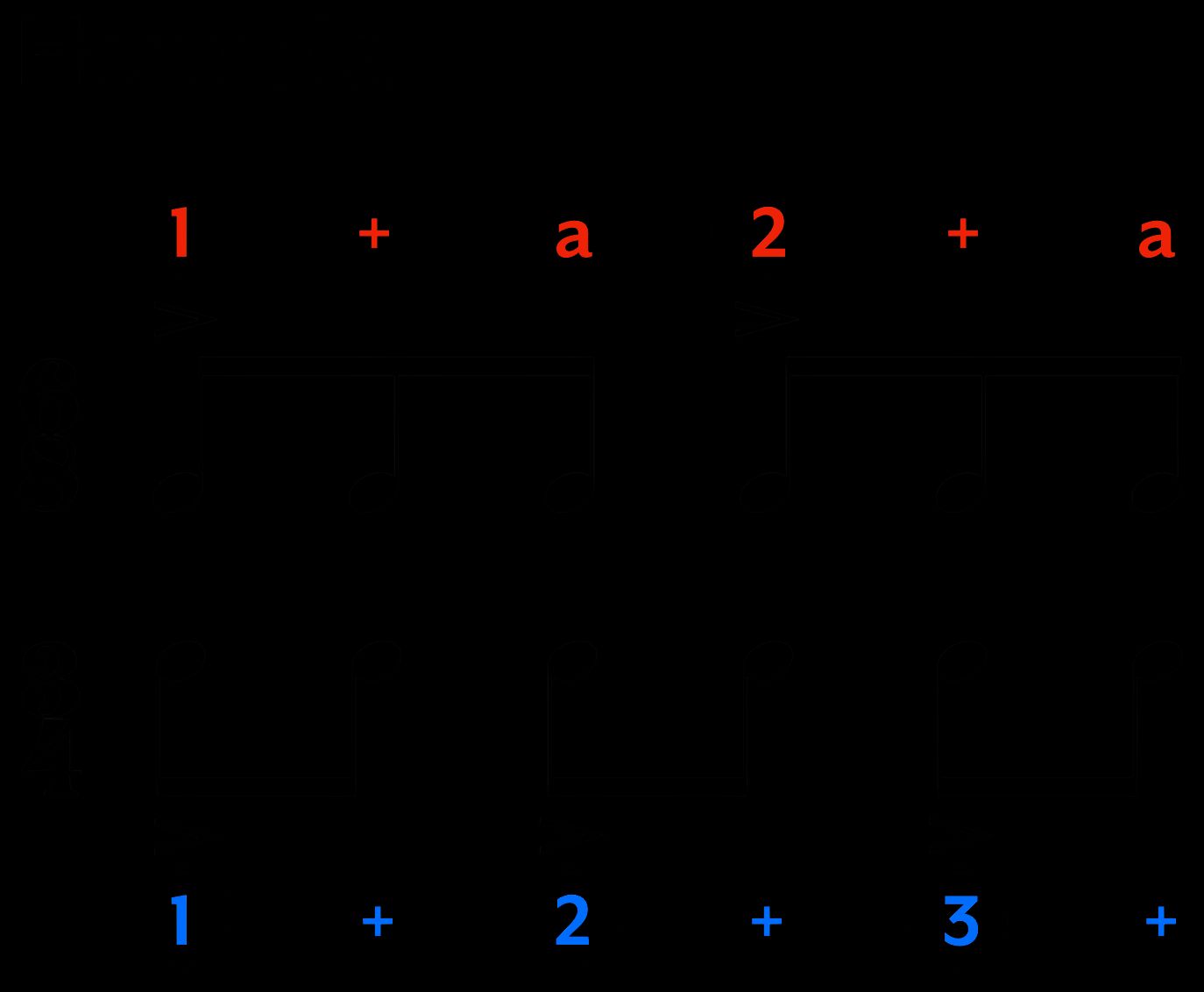
Despite these differences, you may notice that both 6/8 and 3/4 contain the same number of eighth notes per measure: six. This gives rise to an interesting rhythmic paradox called the hemiola. These six eighth notes can be felt either as two groups of three, as in 6/8, or three groups of two, as in 3/4. A hemiola occurs when the music jumps back and forth between these two kinds of emphasis. Below you can see the difference in accent placement between the top and bottom examples. 6/8, once again, is compound duple meter, while 3/4 is simple triple:
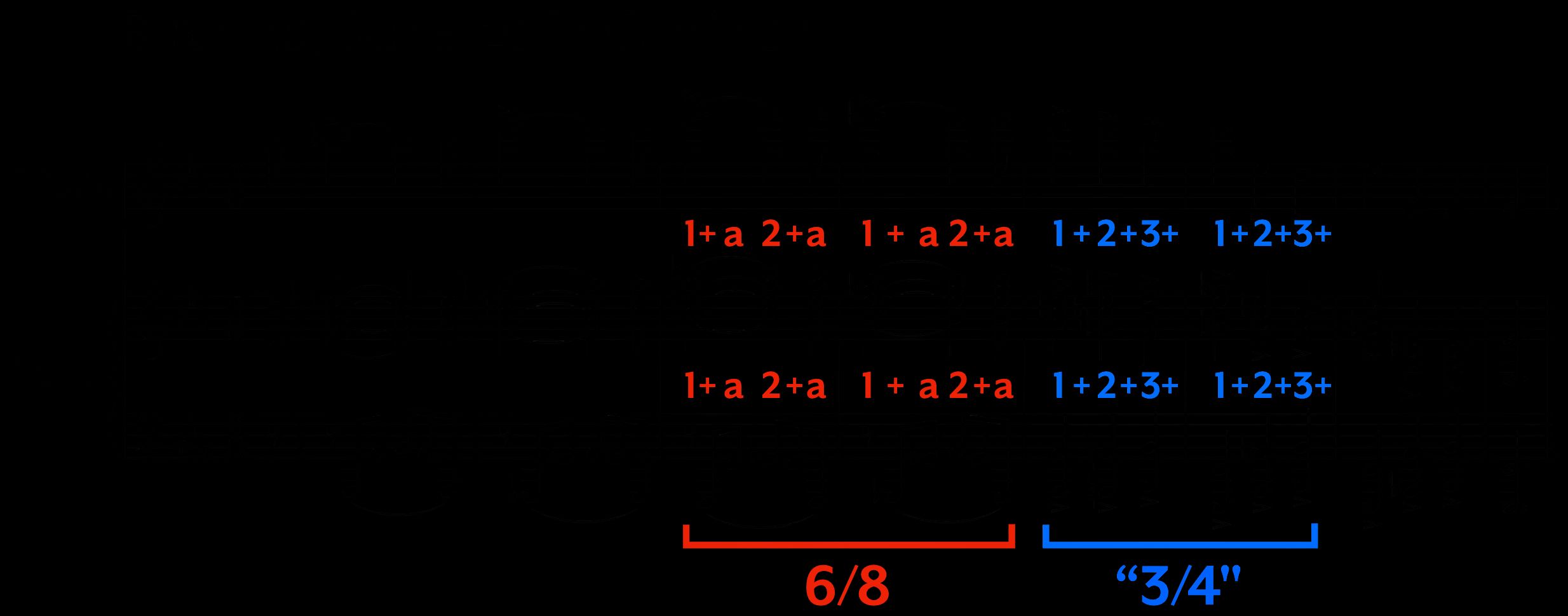
So, while 6/8 and 3/4 are completely different kinds of meter, they can easily alternate. Composers often take advantage of the hemiola to make the music sound like it’s changing meter, when in fact it isn’t. Brahms uses the hemiola to dramatic effect in this passage from his Scherzo in C minor:
You’ll hear the same shift between 6/8 and 3/4 in Leonard Bernstein’s America, from Westside Story:
Why would you use 6/8 instead of 3/4?
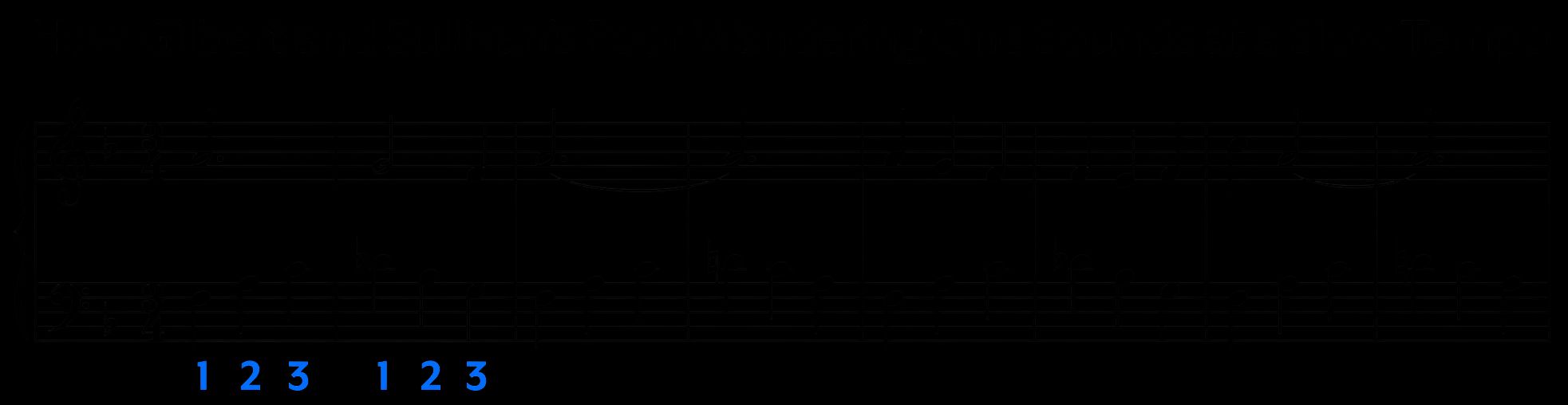
The waltz feel of 3/4 becomes frenetic if the tempo is taken too fast, and the three main beats per measure start to sound like beat divisions, rather than the basic pulse. Poor Wandering One from Gilbert and Sullivan’s The Pirates of Penzance sounds like it’s in 3/4 if the tempo is relaxed:
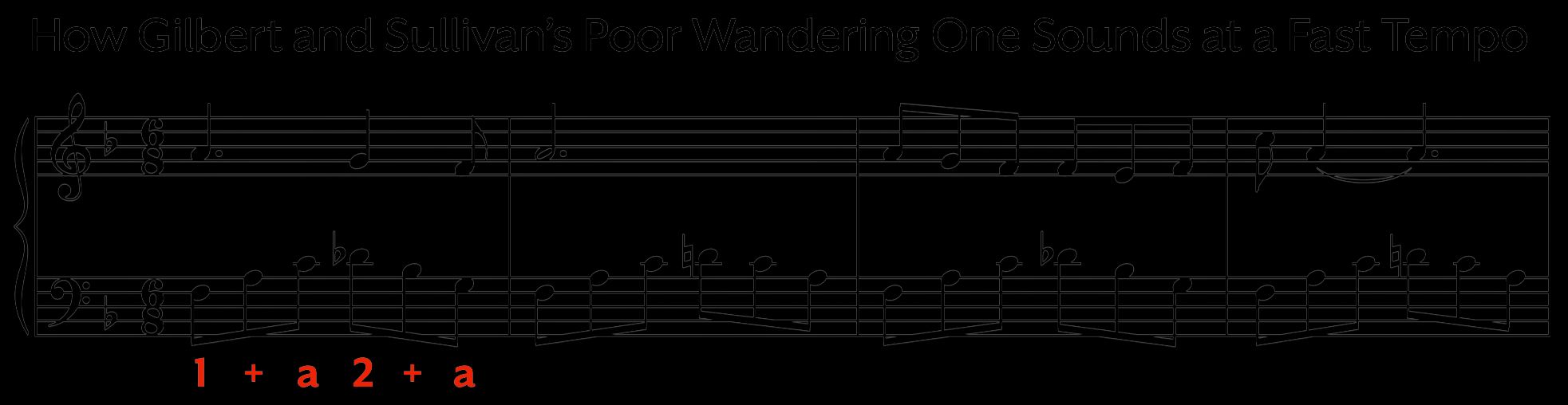
However, at a fast enough tempo, the quarter notes lose their basic beat feel in favor of the dotted half notes. The music now sounds as if an entire measure is a single main beat, with two measures creating the rocking, two-beat feel of compound duple meter. So at this pace, it would be more sensible to notate the music–not to mention conduct it– in–6/8:
You can learn to play Poor Wandering One with the sheet music in our store!
Why does 6/8 sound so good, and what genres use it?
6/8 time animates music with either a swaying or galloping feel, depending on the tempo. Because it gives such a graphic sense of movement, 6/8 has become a common meter for many different genres.
Gigues
These Baroque dances are derived from the English jig, and became popular movements within instrumental suites, particularly for the keyboard. Written in binary form, they are typically played at a fast tempo, and rely on compound meter like 6/8 for their hopping, energetic motion. A quintessential example is the Gigue from the French Suite No. 4 by J.S. Bach.
Lullabies
The gentle rocking feel of 6/8 makes it an ideal meter for lullabies and children’s songs. You can learn to play one of the most famous children’s songs, Row, Row, Row Your Boat, with Mr. Hoffman!
Tarantellas and Barcarolles
Tarantellas are fast Italian dances typically written in 6/8, and often have a jaunty, skipping character. For intermediate piano players, La Tarantelle, Op. 100, No. 20 by Fredrich Burgmüller is an ideal way to explore this genre.
The barcarolle is a Venetian gondolier’s song, also in 6/8 time. Because the tempo is usually slower than that of a tarantella, a barcarolle will have a distinct rocking motion that perfectly captures the sway of a small boat. Jules Massanet’s Barcarolle, Op. 10, No. 3 is a beautiful, intimate example for late intermediate students.
Folk music
The light and celebratory melodies of folk songs are often notated in 6/8. I Saw Three Ships is a joyful Christmas carol whose seafaring imagery is best conveyed by the rocking of 6/8 time. Also, many Mexican folk dances, like Jarabe Tapatío, owe much of their exuberance to a fast 6/8.
Slow rock ballads
The powerful vocals and lyrics of rock ballads are well served by the swaying feel of a slow 6/8. Some of the best known examples include “We are the Champions” by Freddie Mercury and Metallica’s “Nothing Else Matters.”
Tips for practicing songs in 6/8 time
While the time signature suggests a six-beat count, remember that 6/8 is really duple meter. It should be counted as “ONE – and – a – TWO – and – a.” When practicing any piece in 6/8, be sure to feel an emphasis on the two main beats, rather than on all six of the eighth notes.
Also, if the music subdivides the eighth notes into sixteenth notes, you’ll find quite an array of rhythmic possibilities. Here is a useful guide for many of the combinations, including rhythm syllables. Each rhythm represents a single beat in 6/8 time. Practice clapping and saying these rhythms aloud to familiarize yourself:

Start using the 6/8 time signature with confidence
If you’re already solid with music using time signatures like 2/4, 3/4, and 4/4, it might be a good time to change things up with some 6/8. For dozens of fun examples, look no further than the sheet music in our store. You’ll find all different skill levels of classical, folk, and holiday pieces that showcase the drive and dynamism of 6/8. Happy playing!