


George Gershwin was a composer who gave American music its own voice
During his lifetime, Gershwin developed a unique blend of jazz and classical music that had never been heard before. His music was popular in classical music venues, on Broadway, and on the radio! Today his music is still played in clubs and concert halls around the world. Let’s explore Gershwin’s childhood, his most notable pieces, and his enduring musical legacy.
George Gershwin: Early life
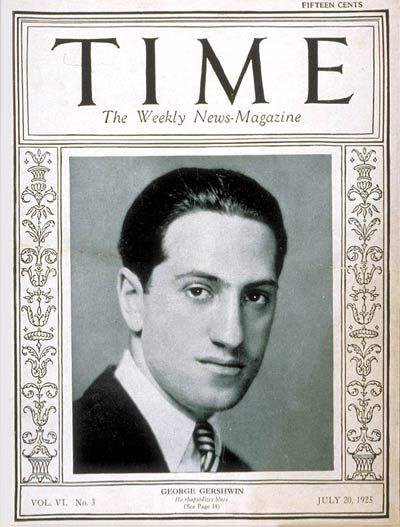
George Gershwin was born in September 1898 in Brooklyn, New York to Russian Jewish immigrants. He surprised his family when he sat down at their second-hand upright piano and fluently played a popular song he taught himself by listening to a player piano. Although the family’s piano had been meant for his older brother, his parents decided that George would be the one to receive piano lessons. Young George was highly inspired by penny arcade compositions and the classical pieces his teacher showed him. He also loved the music from local vaudeville shows and Tin Pan Alley composers.
At 15 years old, George dropped out of school and started playing piano full time. He worked as a ‘song plugger’ for a music publisher where he’d promote the company’s songs to potential performers. Although he hated the job, it refined his technique. At 17 years old, he published his first piece of music, and by his early 20s, Gershwin had name recognition and commercial success with his first hit “Swanee.”
Did George Gershwin have siblings?
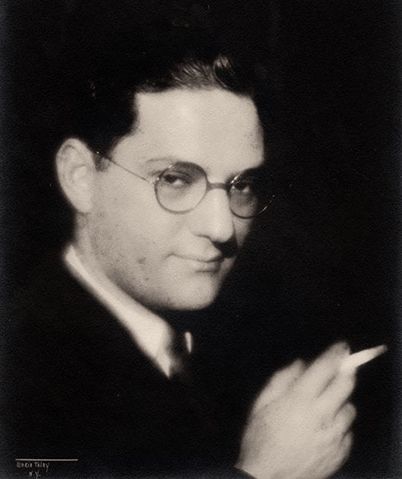
George Gershwin had three siblings and was the second oldest child. George and his older brother Ira worked closely together to create some of the most memorable compositions of the early 20th century. George composed the music and Ira wrote the lyrics. Together, the duo created Broadway hits like “Strike Up the Band,” “Let ‘Em Eat Cake,” and “Porgy and Bess,” a classic opera that is still popular in musical theater today. The brothers are remembered for the way they bridged the gap between popular and “serious” music.
Arthur, George’s younger brother, was a stockbroker by day and enjoyed composing on the side. George’s younger sister Frances was also musically inclined. She sang while George practiced piano at home, and by age eleven she was singing and dancing in a traveling children’s show called “Daintyland.”
George Gershwin: Rhapsody in Blue
“Rhapsody in Blue” debuted in 1924 and it is perhaps George Gershwin’s most famous piece. The composition blended classical and jazz styles in a way that had never been done before. Gershwin only started writing the piece after reading an article in the New York Tribune announcing that he would be debuting a “jazz concerto.” This was the first time George had heard about it! Despite the surprise, George wrote and performed the piece in three weeks.
Interestingly, the beginning clarinet solo, the most iconic moment of “Rhapsody in Blue,” was not what George Gershwin wrote in the original score! During rehearsal, the clarinetist Ross Gormon wanted to have some fun with Gershwin. Instead of playing the simple scale as written, Gormon played a dramatic, sweeping glissando. Gershwin, impressed, asked the clarinetist to play the glissando during the performance. Today, this creative clarinet glissando is still part of the “Rhapsody in Blue” performance and embodies jazz’s playful spirit of improvisation.

Gershwin later claimed that the train commute from New York to Boston inspired the rhythms of the piece. ”‘I was on the train, with its steely rhythms, its rattle-ty bang, that is so often so stimulating to a composer… I frequently hear music in the very heart of the noise. And there I suddenly heard – and even saw on paper – the complete construction of the rhapsody, from beginning to end… I heard it as a sort of musical kaleidoscope of America, of our vast melting pot, of our unduplicated national pep, of our metropolitan madness. By the time I reached Boston, I had a definite plot of the piece.”
Although the original piano part for “Rhapsody in Blue” is quite difficult to learn, our Late Elementary version of “Rhapsody in Blue” is great for pianists who have a few years of piano experience.
George Gershwin’s most famous songs
Some of George Gershwin’s most famous songs were created in collaboration with his brother Ira. The brothers created “I Got Rhythm” in 1930. It quickly became a cornerstone of jazz because of its catchy chord progression, which allows room for lots of different improvisation. The piece is now a jazz standard and has been the foundation for many other tunes and jam sessions.
Another famous song from the Gershwin brothers is “Summertime” from the opera “Porgy and Bess.” The song is haunting, slow, and rooted in the Blues tradition. The chord progression is simple but the lyrics are expressive. The song has been covered by countless artists from various genres, from Ella Fitzgerland to Janis Joplin.
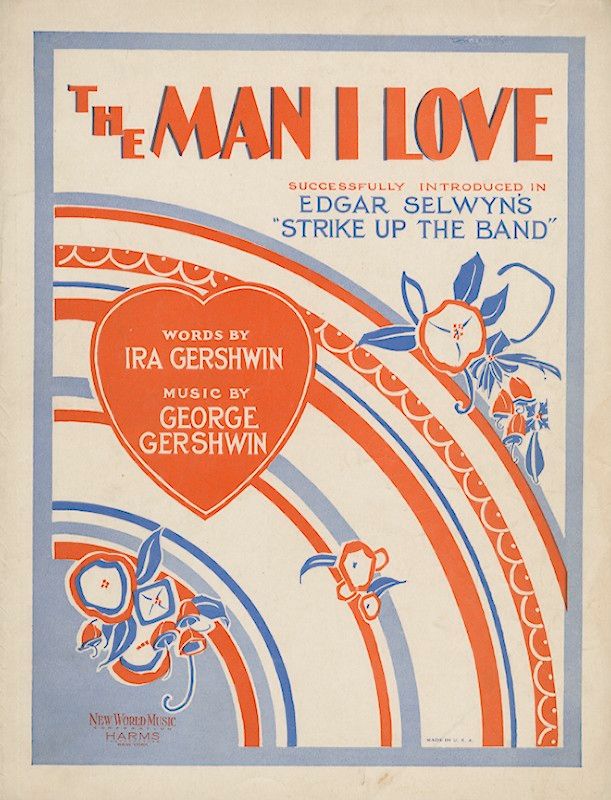
Along with “Summertime,” the brothers also created the popular standard “The Man I Love.” The piece was originally written for a musical that was never produced. It continued to be dropped from various stage shows until finally it found life in the hands of jazz and pop singers of the time.
“The Man I Love,” “Summertime,” and “I Got Rhythm” are just a few of the many Gershwin pieces that have been included in the Great American Songbook, a collection of the most influential popular songs in America from the early 20th century.
More songs written by George Gershwin
George Gershwin was a prolific composer. Here are a few more of his compositions that are still played and loved today:
- Concerto in F
- Love is Here to Stay
- An American in Paris
A legacy that still shapes music today
George Gershwin pioneered a style that was fresh, modern, and unmistakably American. He bridged the worlds of classical composition, jazz, and popular song in a way that had never been done before, and his works continue to inspire musicians today.