





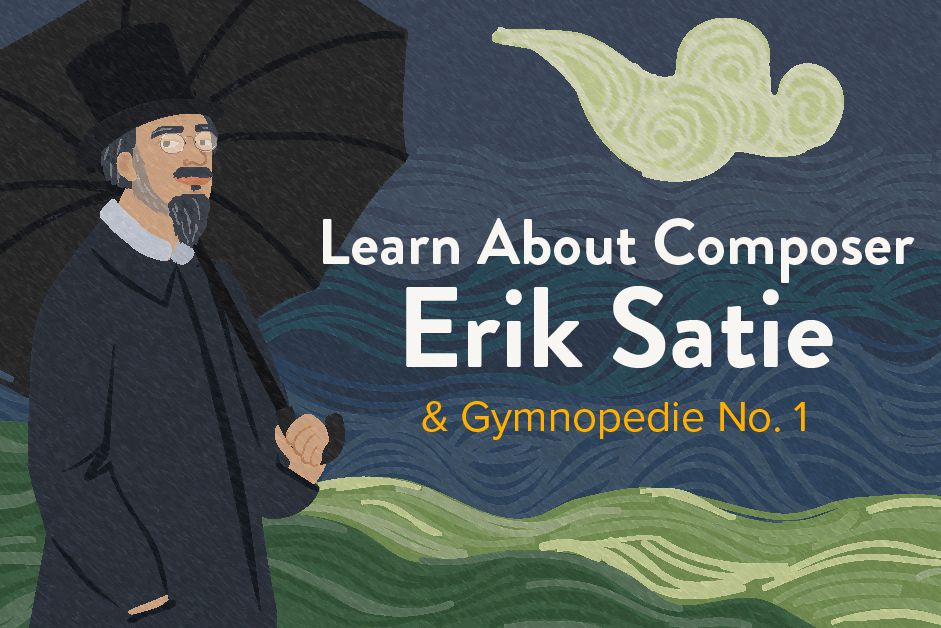
Let’s explore who Erik Satie was, why he wrote Gymnopédie No. 1, and what makes this peaceful piece so unforgettable
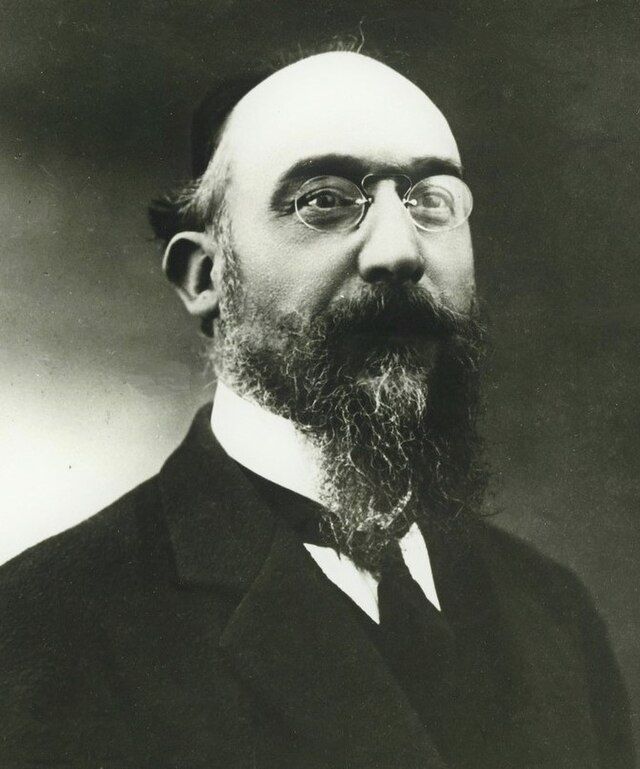
Erik Satie is a fascinating figure known for his eccentricity and musical defiance. Born in 1866, Satie is a French composer whose quirky style and unorthodox ideas paved the way for movements like surrealism and minimalism. His pieces are sparse, atmospheric and often ironic. Titles like “Three Pieces in the Shape of a Pear” or “Dried Embryos” show Satie’s light, open, playful perspective on music.
Satie’s works went on to inspire artists like John Cage, Maurice Ravel, and Claude Debussy. In this article, we will explore Satie’s most famous pieces such as Trois Gymnopédies and the impact they’ve had on music today.
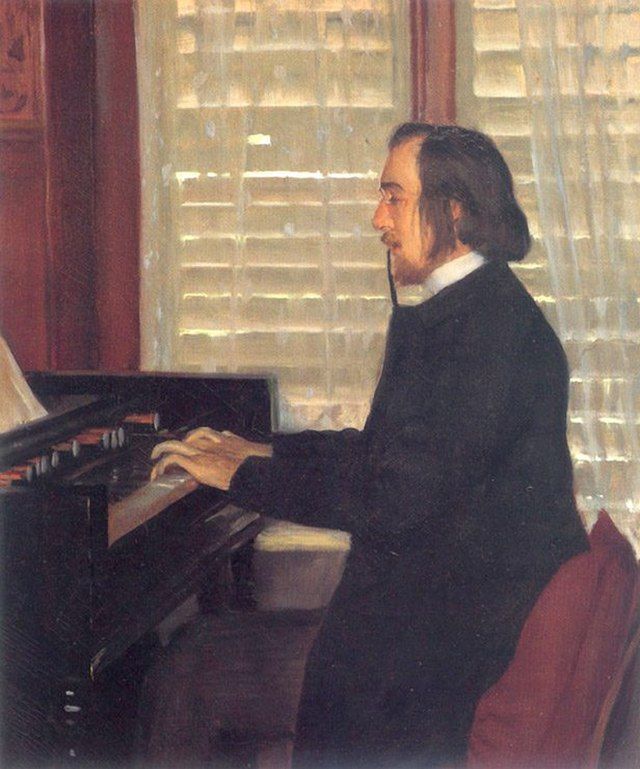
What is the most famous piece by Erik Satie?
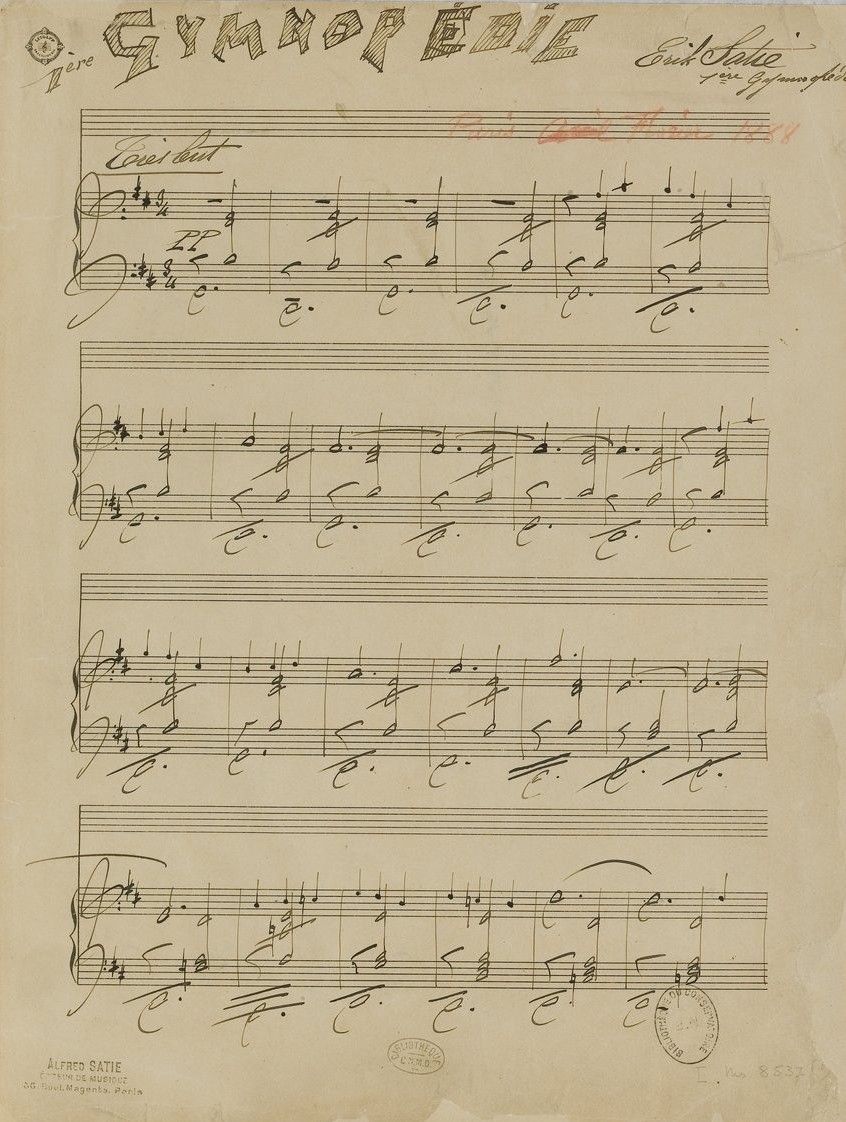
Gymnopédie No.1 is Erik Satie’s most famous piece. The composition is short, sparse and emotional. Satie builds an atmosphere using slow-moving, mild dissonances. Published in 1888, Gymnopédie No. 1 is the first of a set of three piano compositions titled Trois Gymnopédies. With slow shifting harmonies, each piece feels open, thoughtful, and vast. Today, Trois Gymnopédies are seen as the inspiration for today’s ambient music.
Later in his life, Satie would go on to create “furniture music.” The idea was born from a night out at a restaurant where Satie was subject to “unbearable vulgar music.” He yearned for music that could fade into the background and set the tone of an evening, rather than be the main focus of an event. He introduced his furniture music through works like “Tapestry in Wrought Iron” and “Phonic Tiling.” During an early performance, Satie encouraged the audience to not listen too closely which only encouraged people to listen closer.
What is the story behind Gymnopédie?
There is some debate around the title of Gymnopédie. While no one is sure why Satie named his piece Gymnopédie, some speculate that the term comes from the ancient Greek word for a festival of dancing young men. Others believe the title is inspired from a poem.
To understand the creation of Trois Gymnopédie, it’s important to understand the musical culture Satie grew up around. During this time, the music of late-romantic composers such as Franz Liszt, Richard Wagner and Johannes Brahmes were all the style. Music was emotional and dramatic, and many romantic composers wrote program music which told an intentional story, scene, or idea. Music always had purpose and complexity.
Satie’s music is a deliberate rejection of romantic ideals, and at the time of its publication, Trois Gymnopédies were the first of their kind. Trois Gymnopédies tells no story. It’s not harmonically complex or showy. Rather, the piece invites the listener to get lost in the atmosphere of the music rather than explore complex ideas.
What movie uses Gymnopédie No. 1?
Gymnopédie No. 1 is heard in the soundtrack of many films and TV series. “The Royal Tenenbaums” plays the piece in the end credits, complimenting the dreamlike, whimsical style of the director, Wes Anderson. In the documentary “Man on the Wire,” Gymnopédie No. 1 is played during the closing scene and is used for contrast. Other movies that feature the piece are “My Dinner with Andre,” The Disappearance of Haruhi Suzumiya,” “Another Woman,” and “Mr. Nobody.”
Gymnopédie No. 1 piano lesson
Learn how to play Gymnopédie No. 1 in our piano tutorial below! The sheet music can be purchased from our store.
What did Claude Debussy think of Erik Satie?
Claude Debussy once said to Satie, “Now, as a true friend may, I warn you that from time to time there is in your art a certain lack of form.” In response to this, Satie composed “Three Pieces in the Form of a Pear” which actually was a seven-piece suite. The composition showed Satie’s wit and commitment to not adhering to conventional musical form or harmony.
This exchange between the two composers highlights the complexity of their relationship. Both lived and wrote music within the same artistic circles in Paris and mutually respected the other’s work. Debussy admired Satie’s originality and wit. Though many other composers of the time did not regard Satie as a serious composer, Debussy helped bring Satie’s work to a larger audience by orchestrating two of Satie’s Gymnopédies.
Though initially inspired by the other, over time the two grew apart. Satie was known to make sarcastic remarks about Debussy’s success and tendencies towards impressionism. Despite their difference, both recognized each other’s influence in shaping the direction of French music in the early 20th century.
Erik Satie’s other famous works
Erik Satie composed several other influential works. Some of his other famous pieces include:
- Je te veux
- Gnossiennes
- Parade
- Vexations
Enjoy listening to the playful, delightful, atmospheric music of Erik Satie! For an extra fun challenge, see if you can improvise some atmospheric music of your own.