





What is a waltz in music?
Waltz music is music written in the style and rhythm of the waltz partner dance. Historically, this music evolved to accompany the dance itself. The word waltz comes from the German verb walzen, which means to roll or revolve, referring to the spinning motions used in the dance.
The waltz originated around 1750 in the area that today is known as the German state of Bavaria and Austrian states of Tyrol and Styria. Along with the similar Ländler (also a German-originated dance in 3/4), the waltz was often known outside of German-speaking countries simply as the “German dance” throughout the late 18th and early 19th centuries. In its early days, the waltz was considered scandalous because partners had to dance very close to each other in order to turn properly. Around 1780, the waltz had become popular in Austria’s capital city Vienna and began spreading to neighboring countries. Many classical composers have written their own waltzes and this dance music has even made its way into popular music genres such as country, rock, pop, and contemporary folk music. Waltz music remains one of the most recognizable styles in classical and popular music today.
Learn to play beautiful waltzes on the piano with Hoffman Academy! Discover your piano potential at Hoffman Academy with the world’s best piano learning system.
What are key characteristics of waltz music?
Key characteristics of waltz music include 3/4 time, an accented first beat, and varying styles that affect both the dancing and music itself.
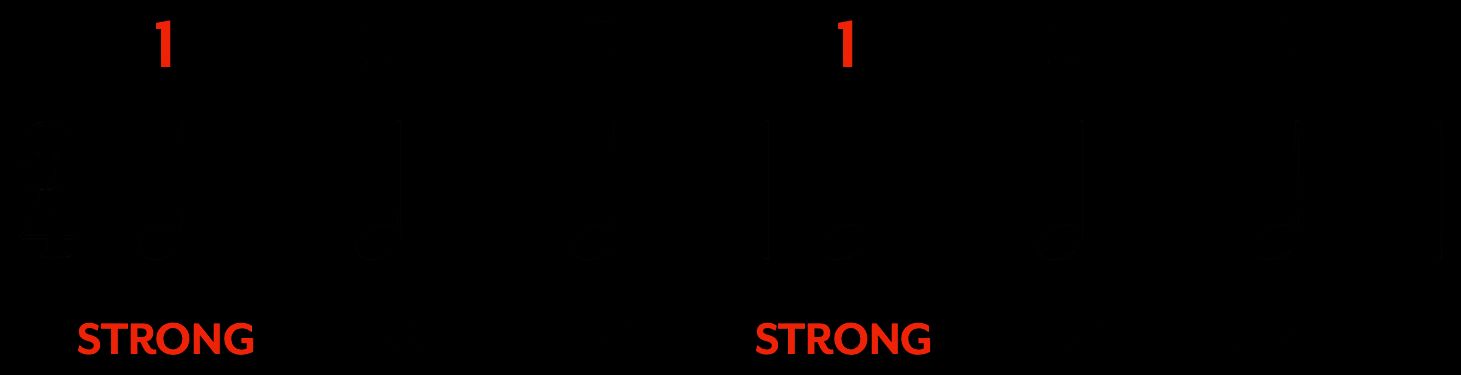
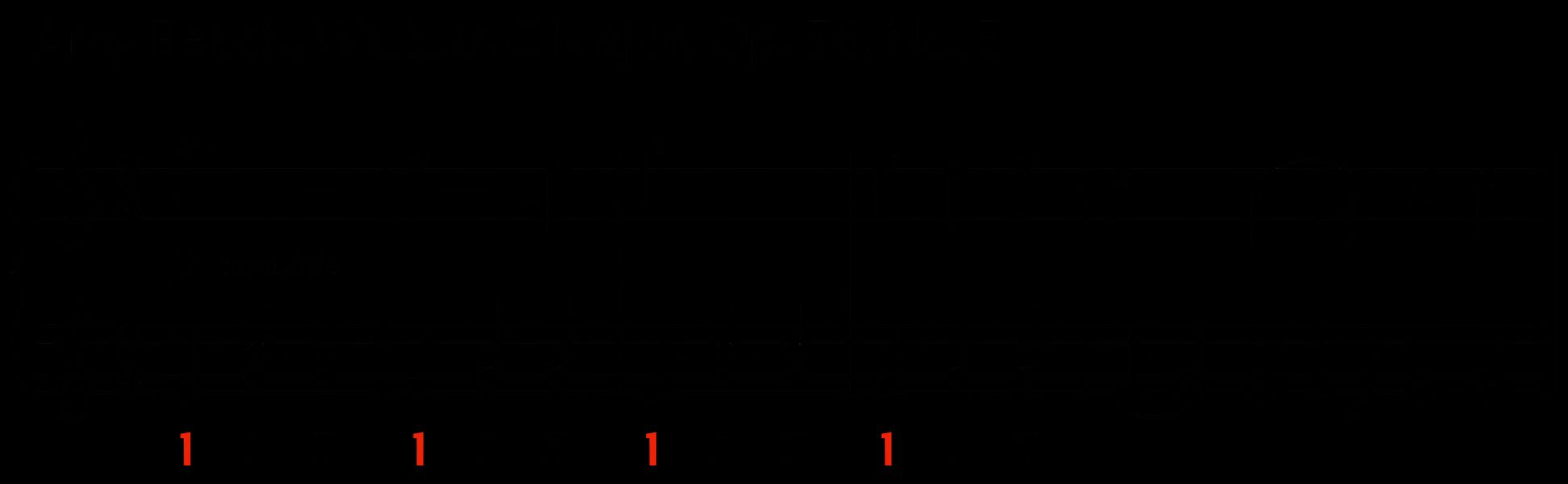
Traditional waltzes are known for their accented first beats, which makes these waltzes perfect for dancing since they have a strong beat to follow. By accenting the first beat and keeping beats two and three very light, this creates an auditory illusion that makes the first beat sound longer than beats two and three.
Viennese waltzes are characterized by faster tempos for ballroom dancing. While Viennese waltzes do accent the first beat, they also create a lilt by slightly accenting the second beat. To do this, the second beat is played slightly early, which shortens the first beat and creates a swing-like feeling. This can be heard in the following video:
This animated short film features waltz music from The Emperor Waltz by Johann Strauss II accompanying ballroom dancing.
Jazz waltzes are often slow and include swung eighth notes. A great example of a jazz waltz is Bill Evan’s Waltz for Debby, performed here with saxophonist Cannonball Adderley.
The ballroom American waltz accents the first beat, but is often a slower tempo than the ballroom Viennese waltz.
Another type of waltz includes the country waltz, which often makes use of small instrumental ensembles made up of instruments common to everyday music lovers. A great example of this is Graham Townsend’s “Country Waltz”, shown below:
Many waltzes intended for the classical piano are designed to be performed in a concert hall rather than in a dance hall. Frédéric Chopin composed many waltzes for the piano, but these are known for their dramatic use of rubato and challenging technical scalar passages. These features can speed the music up and slow it down enough that it’s very difficult to stay in time while dancing. Some of them are also too fast to dance to. Examples of these are his “Grande valse brillante” Waltz No. 1 in E-flat Major, Op. 18 and his “Minute” Waltz in D-flat Major, Op. 41, No. 1.
What time signature is a waltz?
The time signature most commonly associated with the waltz is 3/4. In some waltzes, 3/8, 6/8, and even 5/4 have been used. Both 3/8 and 6/8 create a similar three-beat dance feeling to 3/4, but 5/4 was used to create an offset “ONE-two-three-FOUR-Five” dance feeling. These other time signatures are much rarer.
Examples of famous waltz music
Famous examples of waltz music include The Blue Danube, the Waltz of the Flowers, and the Minute Waltz. Due to the waltz’s historical popularity, there are many musical examples. The “Waltz King” was Johann Strauss II, who was an Austrian composer who lived from 1825 until 1899. He composed some of the most recognizable waltzes in history, many of which have been used in cartoons, film, television, and more. These include Tales from the Vienna Woods and the Emperor Waltz.
This animated short film features The Blue Danube by Johann Strauss II
Following in Strauss’ footsteps was Hungarian composer Franz Lehár, who composed the popular Gold and Silver Waltz, and Pyotr Ilyich Tchaikovsky, who included the Waltz of the Flowers in his ballet The Nutcracker.
Other important pieces of waltz music in the classical repertoire are Dmitri Shostakovich’s Waltz No. 2, Franz Schubert’s Waltz in B Minor, Op. 18, No. 5 and Camille Saint-Saëns’ spooky Danse Macabre, Op. 40.
Examples of modern waltz music
Examples of modern waltz music include Norah Jones’ folky “Come Away With Me,” Paul Williams’ “Rainbow Connection” (famously sung by Kermit the Frog), Adele’s “First Love,” Billy Joel’s timeless rock classic “Piano Man,” and Elton John’s “The New Fever Waltz.” These examples all include lyrics, but there are other waltzes composed for solo piano. Some of these include the “Dreamer’s Waltz” by David Lanz, the similarly named “Dreamer’s Waltz” by David Nevue, and Yiruma’s Waltz in E Minor and Waltz in C Minor.
How to play a waltz on piano
Playing waltz music well on piano comes down to how you handle the three beats. To play a waltz on the piano, first you need to be attentive to the strong and weak beats. Beat one is the strongest beat in a waltz and beats two and three are weaker. When you play a waltz, the first beat is going to naturally feel longer than the other two beats. One way that you can achieve this feeling is through pedaling. While playing a waltz, it’s important to use the sustain (damper) pedal by pressing it down on beat one and releasing it immediately while playing beat two. This gives the waltz its quintessential dancelike quality.
Learn waltz music for piano with sheet music from our store
Hoffman Academy’s website includes many different waltz options. Below, we’ve included a list of music that you can learn to play, categorized by level.
Early elementary pieces that you can check out include:
We include late elementary waltz music such as:
Intermediate waltz sheet music includes:
- Waltz in A Minor, B 150 by Chopin
- Anitra’s Dance by Grieg
- The Blue Danube by Johann Strauss Jr.
- After the Waltz, from Les Beaux Jours, No. 8
- The “Lost” Waltz by Chopin
- Children’s Album, Op. 36 Complete by Amy Beach
We have a lot of waltz options for advanced musicians as well:
- Sonata No. 20 in G Major, Op. 49, No. 2 by Beethoven
- Sonata No. 4 in E-flat Major, K. 282 by Mozart
- Waltz in B Major, Op. 39, No. 1 by Brahms
- Waltz in D-flat Major by Franz Schubert
Find the perfect waltz music for your level
The waltz is such a fun and fulfilling style of music to learn to play at the piano. Whether you are looking for something beautiful and fun or something flashy, there are so many pieces of waltz music to choose from. I recommend listening to waltzes and finding ones that you enjoy. You can also check out our waltz sheet music for more ideas!. As always, the goal is having fun and learning something new, so we encourage you to enjoy this new musical adventure!