





How many different kinds of pianos are there?
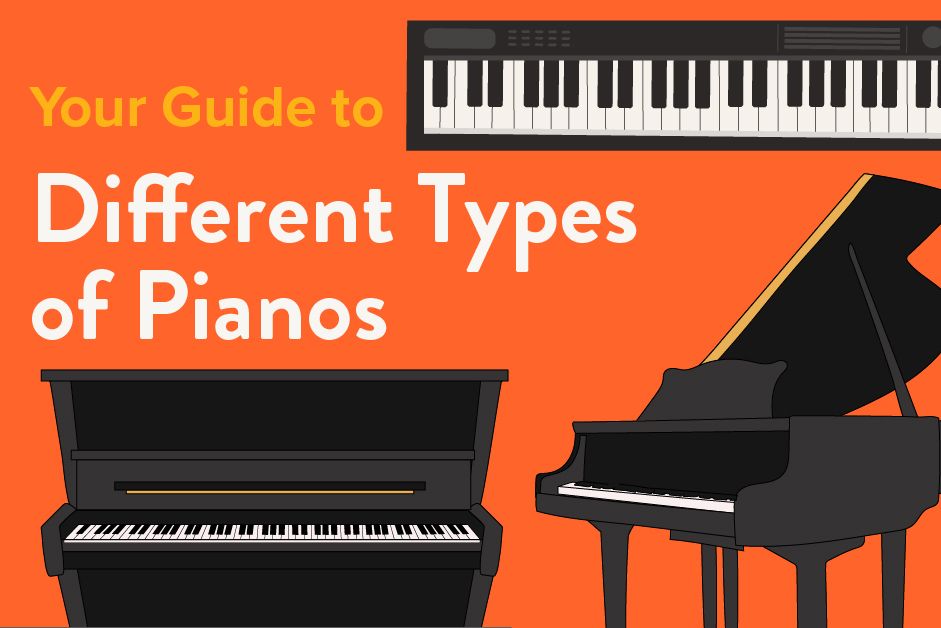
There are three main types of pianos that use acoustic or electronic technology to make music. In the acoustic family you’ll find concert grand pianos and upright pianos. These types of pianos use the mechanical action of a hammer striking a string to make sound. The first piano ever made, called ‘un cimbalo di cipresso di piano e forte,’ combined the hammers of the dulcimer with the strings of the harpsichord and clavichord to make today’s familiar instrument. Today, grand and upright pianos use the same mechanics – pressing a key flings a hammer at a tensioned string, which vibrates to sound the note.
In digital pianos, pressing a key on an electronic keyboard talks to a computer which plays the note through headphones or speakers. Through modern technology, sophisticated digital pianos use programs to simulate the dynamics and feel of an acoustic piano. You can learn more about the different types of keyboard instruments in our beginner’s guide to keyboard instruments.
Ready to dive into learning piano? Try Hoffman Academy Premium today!
What’s the most popular type of piano?
The most popular type of piano depends on what the piano will be used for.
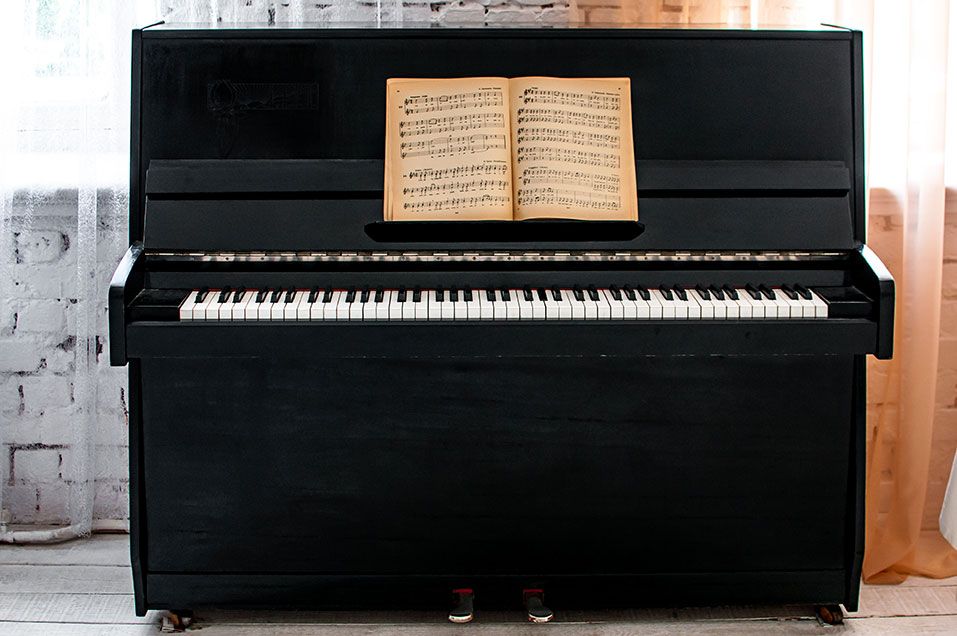
Most homes, churches, and schools with an acoustic piano will own or lease some type of upright piano, as opposed to a grand piano. An invention influenced by the industrial revolution, upright pianos first became part of musicians’ lives in the 19th century. In all uprights, the strings and soundboard run vertically instead of horizontally. These pianos use springs, rather than gravity as grand pianos do, to help the hammers return to position after a key is pressed. Pianists find uprights to require a firmer touch than grand pianos because they have to press against the spring. The increased complexity of the action means that a pianist playing a technically advanced passage will find the upright piano slower to respond in comparison to a grand piano. Spinet and console pianos are the smallest types of upright piano. Because they are smaller, generally these pianos are quieter and less resonant.
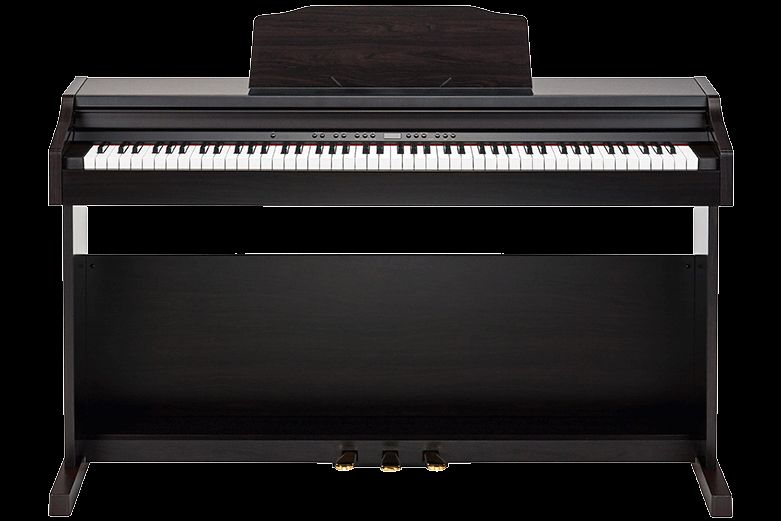
Today, digital pianos may be replacing upright pianos as the most popular pianos in the home, as this type of piano can offer advantages for families in terms of cost and space. Many high-end digital pianos today have weighted keys and touch sensitivity, so they allow pianists to practice dynamics. Another benefit of digital pianos – most allow you to practice with headphones! Electronic keyboards, the smallest and least expensive type of digital piano, often lack weighted keys or have fewer than 88 keys.
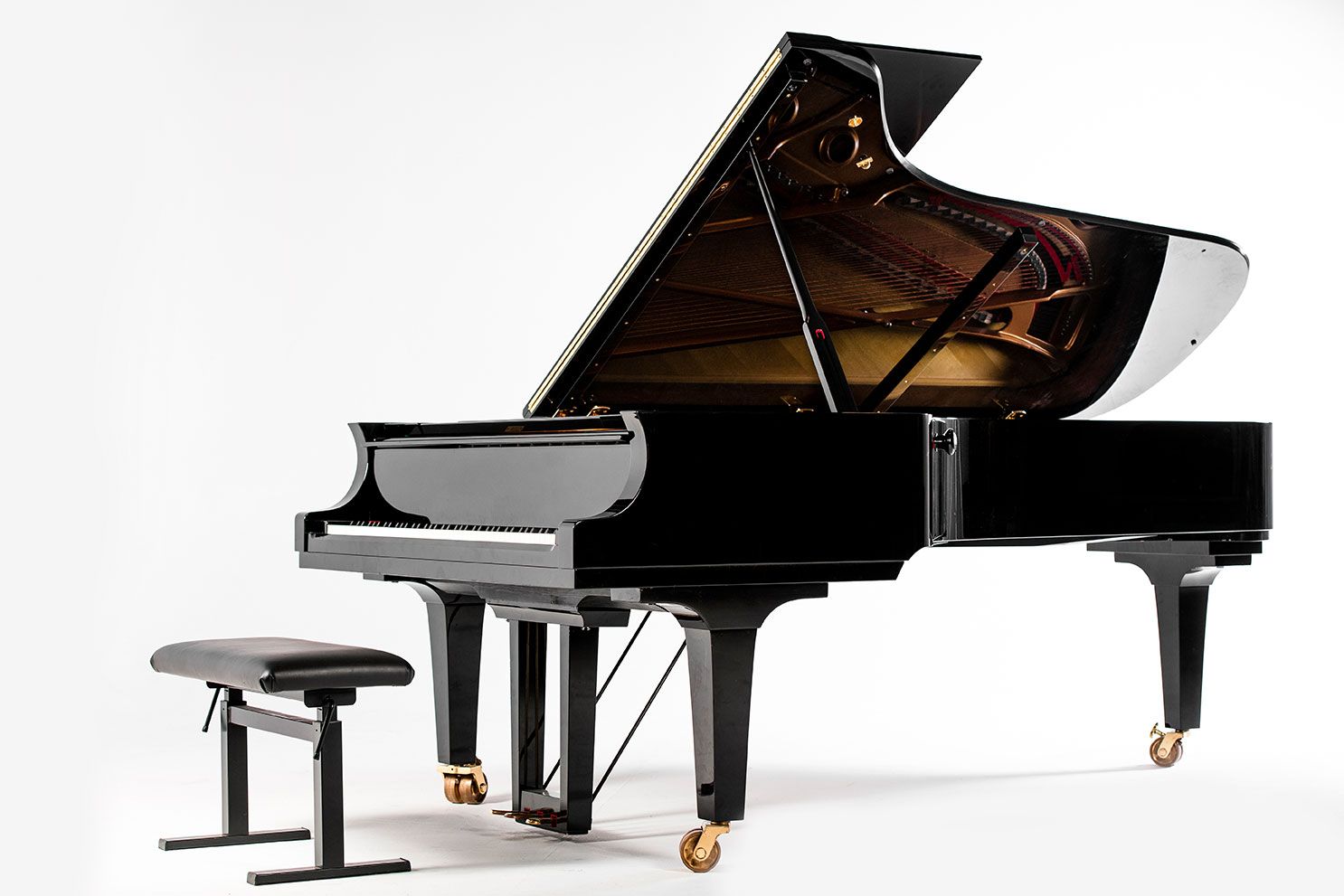
The most popular piano for performance remains the iconic concert grand piano. The strings of the concert grand run horizontally into the curve of the piano. The keys of a concert grand have a lighter touch because a pianist does not have to overcome the tension of a spring when pressing the piano key. The same keys is ready to play again almost instantly as gravity returns the hammer to its resting place as soon as the note is played. This faster action of all grand pianos makes them ideal for rapid, complicated passages. Grand pianos do have a drawback in that they take up a lot of space. A concert grand can be over 9’ long!
Even grand pianos come in different sizes. A pianist wanting the action of a concert grand could purchase a parlor grand piano (5’ -5’6” wide) or an even smaller baby grand (4’-4’11”). Because the strings still run horizontally in these smaller pianos, the light touch and faster action remain the same.
What type of piano is best for beginners?
Pianos are sold in piano storerooms, from private sellers, and even online! We recommend beginners start learning on a piano with 88 working keys. Try playing the different pianos that you want to purchase, and pay attention how the keys and sound feel. This will help you choose the right piano for your personal preference. If you’re shopping for an acoustic piano, check out our article on choosing a piano for the beginning student.
When looking for a digital piano, look for the phrases “natural touch,” “graded action,” or “hammer action,” to make sure that your instrument has weighted keys. Weighted keys are crucial to developing a beginner’s technique, and they’re designed to match the feel of an acoustic piano. A digital piano should also be touch-sensitive. This kind of digital piano will play at different volumes depending on how the keys are pressed, and helps beginners learn to play pieces with dynamics. We’ve curated a list of the 5 best digital pianos under $1,000 for ideas – and remember, many electronic keyboards do not have 88 weighted keys, so always check before you purchase!
What is the nicest sounding piano?
Concert grand pianos have the most beautiful sound because of their size. With longer strings and a larger resonating chamber, concert grand pianos provide a richer sound an allow pianists more dynamic control. On a concert grand, a pianist can perform technically demanding pieces with more clarity because of the faster action. Different concert pianists have different preferences. Both Steinway & Sons pianos and Bosendorfer pianos are noted for their handcraftsmanship and excellent sound.
What do different types of pianos cost?
For acoustic pianos, the least expensive starter piano would be a console or spinet model. The typical price range for a quality acoustic upright is $4,000 to $8,000. A particularly excellent upright, like the Yamaha U1, may cost upwards of $11,000. A baby grand or grand piano will likely cost upwards of $7,000 to $15,000. A digital piano can be a cost-effective option, starting around $1,000-$3,000.
Concert grand pianos often cost more than $40,000. One of the most expensive pianos in the world is a grand piano made entirely of crystal by the Canadian piano maker Heintzman. It sold for over $3,000,000. Another piano that sold for over 3 million dollars was the upright piano from the movie Casablanca. Play it again, Sam!
Are certain types of pianos easier to play or learn on?
It is easiest to learn to play piano on an instrument that is in good condition and regularly maintained. Acoustic pianos need to be tuned regularly, which helps the instrument stay healthy and keeps the strings in tune. All the keys on your piano should sound when pressed. If a key gets stuck, it makes it difficult to learn to play the piano. We recommend testing out a piano to see if the action of the keys feels good to play.
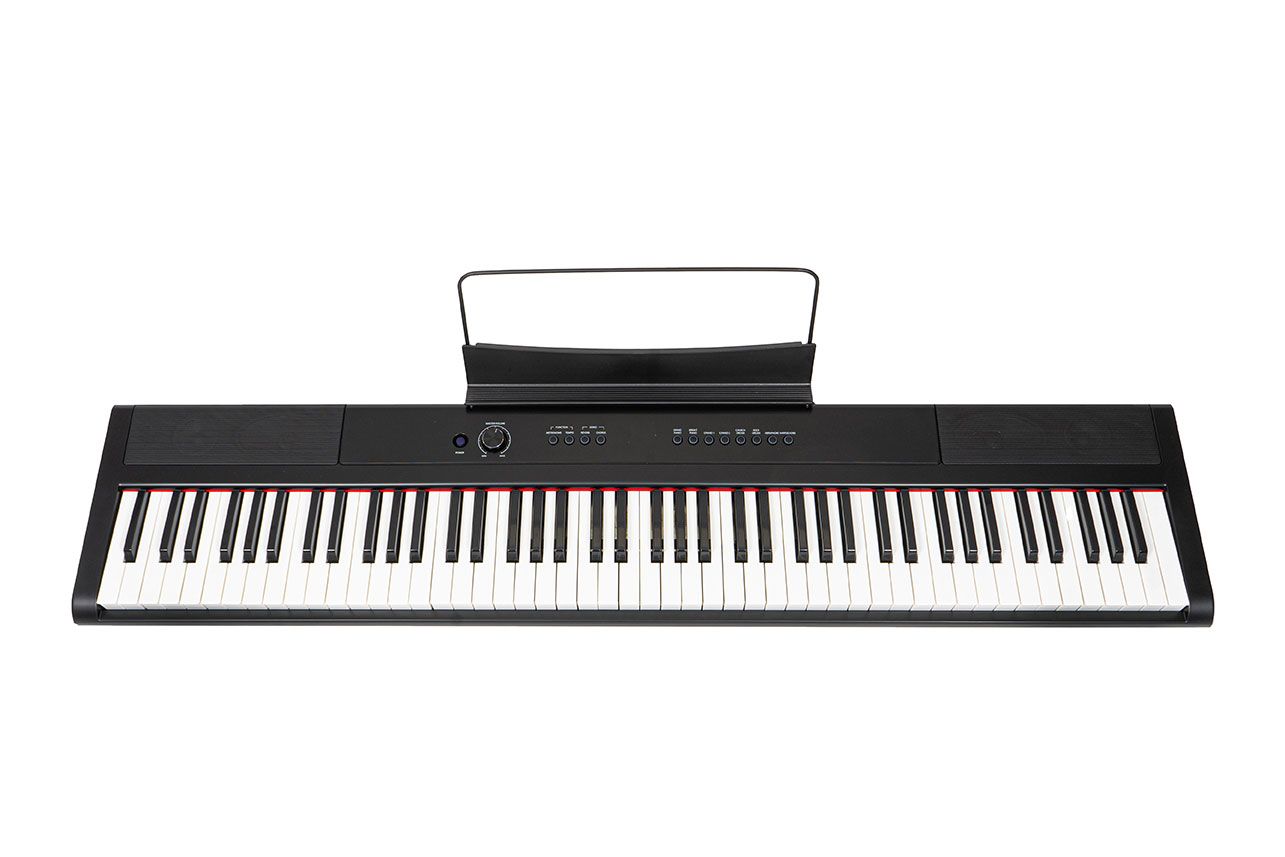
If you are learning on an electric piano or keyboard, you will never need to have your instrument tuned! However, digital pianos can still have problems if a key gets stuck. The electronic motherboard of a keyboard can also break, as can the headphone connection.
Choose the right piano for you!
Pianos come in three main styles: grand, upright, and digital. Depending on your budget, aspirations, and space, you’ll be able to find a piano to suit your needs. Once you’ve got your instrument, you’ll have many years of music making together!